If you’re still treating sensory design as an afterthought or a niche concern, it might be time to reconsider. Designing from a sensory lens builds inclusive, adaptable, and emotionally resonant spaces. This week, Interior Design 411 takes a closer look at how to design inclusive environments with sensory design principles in mind.
Design for Multisensory Engagement
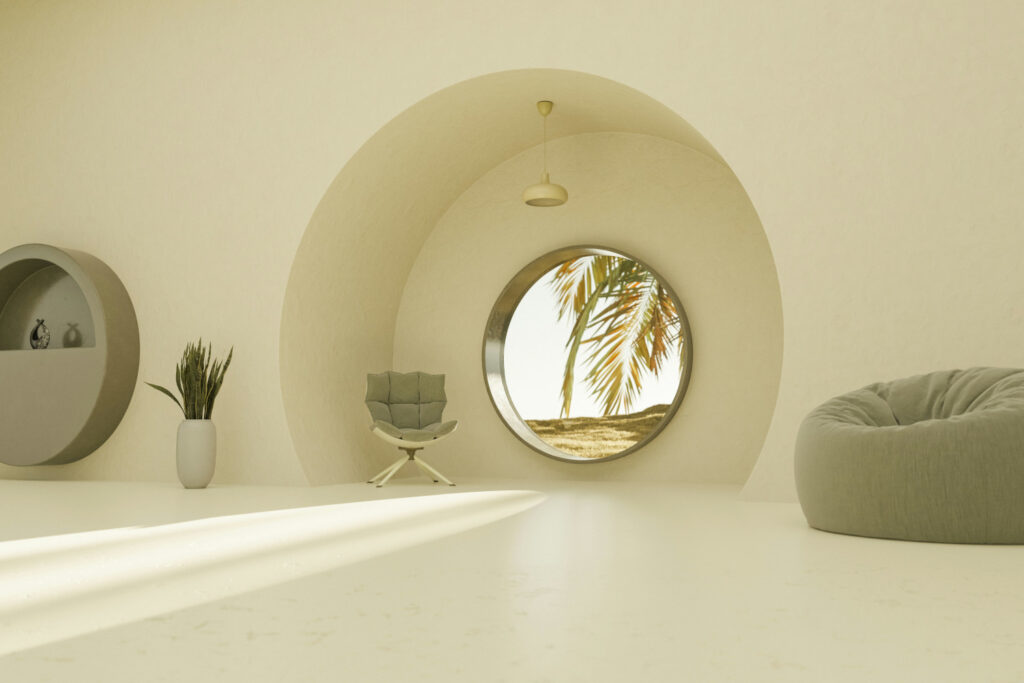
Too often, design prioritizes visual impact alone. But our experience of space is multi-dimensional. Sensory design activates other critical inputs: acoustics, temperature, scent, touch, and even proprioception, the sense of where the body is in space. This broader engagement allows designers to shape environments that better support focus, relaxation, stimulation, or recovery, depending on the user and the use case.
For interior designers working in healthcare, education, workplaces, or public spaces, this refocus has become a non-negotiable. Neurodivergent individuals, for example, often process sensory information differently. When a space bombards them with harsh lighting, echoing acoustics, or confusing layouts, it becomes exclusionary. Adjusting those inputs at the design level makes inclusion actionable.
Offer Choice-Driven Layouts
Good sensory design offers choice. It’s not about eliminating stimulation but about giving users the autonomy to select the environment that suits them. That might mean creating varied zones such as high-stimulation collaborative areas, neutral transition spaces, and low-stimulation quiet zones.
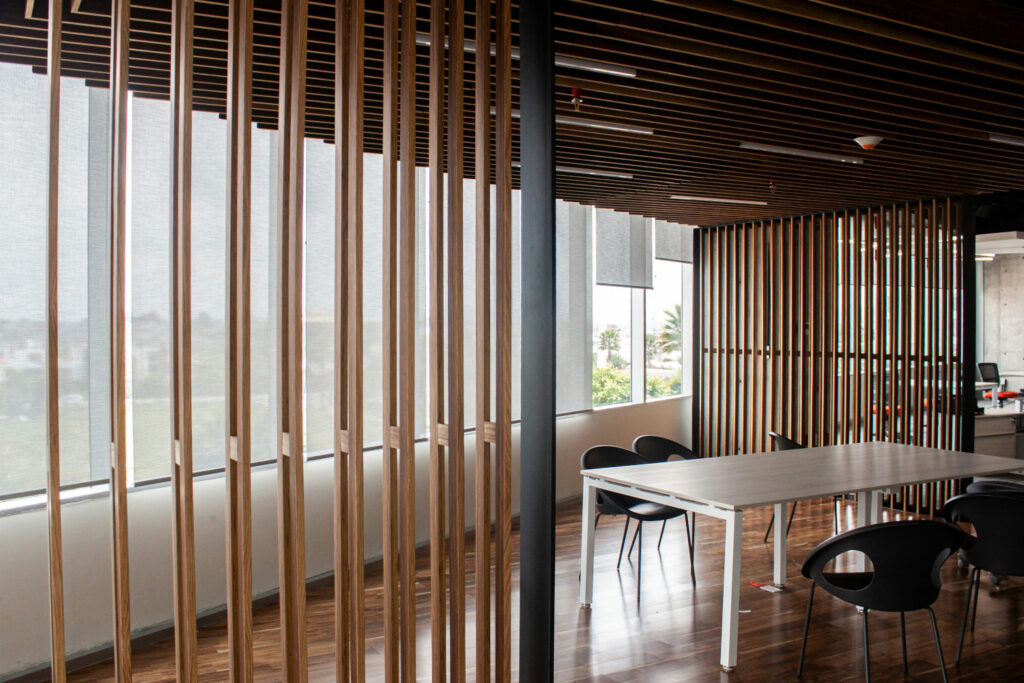
Smart transitions are critical. If a calming area sits next to a noisy zone without proper acoustic or visual separation, it fails. Materials matter too. Acoustic treatments can be celebrated as part of the aesthetic language, especially as digital printing technologies now allow for tactile surfaces that look like wood, stone, or textiles while improving sound quality.
Use a Data-Guided Approach
Integrating sensory strategies starts with real user data. Tools like sound walks or behavioral mapping give insight into how people actually experience a space. This user-centric approach should happen early and often. Top-down assumptions don’t capture real needs, especially in institutions like hospitals or schools.
Inclusive design also means talking to the people who will live and work in the space. That includes staff, children, patients, or neurodivergent users, not just leadership or stakeholders. Insights from these conversations can dramatically reshape priorities.
Keep Adaptability in Mind
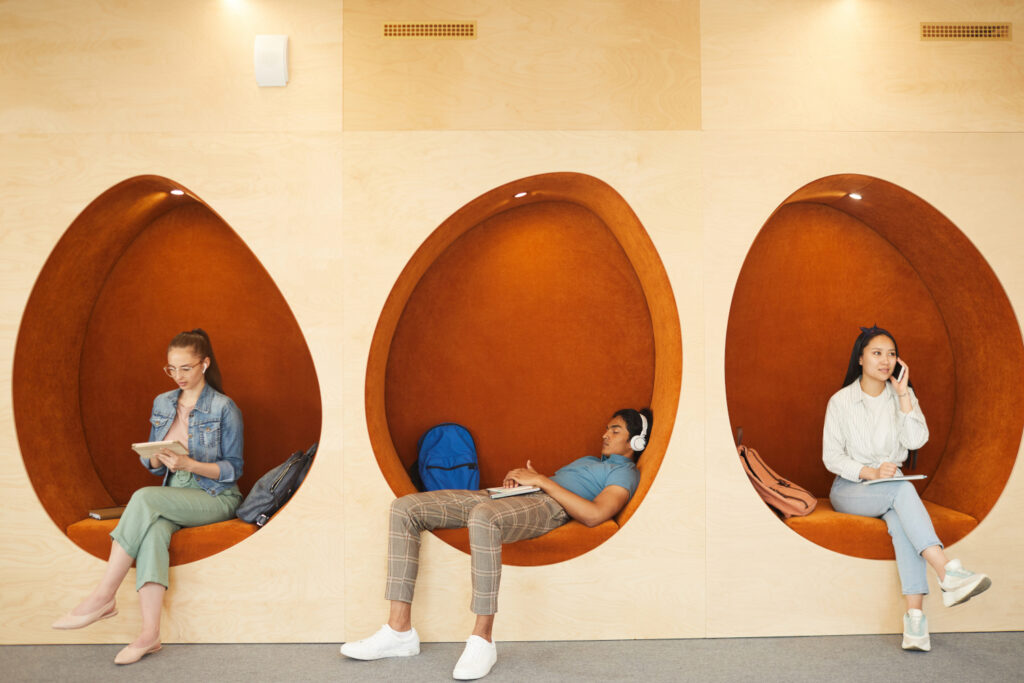
People’s needs evolve. Spaces should too. Modular furniture, movable partitions, and dynamic lighting systems give users control over their environments. What works today may need to change tomorrow, especially in offices or educational settings where user makeup fluctuates.
Build that adaptability into the original design brief. Sensory design isn’t a static deliverable but a framework for creating spaces that learn and evolve with their users.
The New Standard
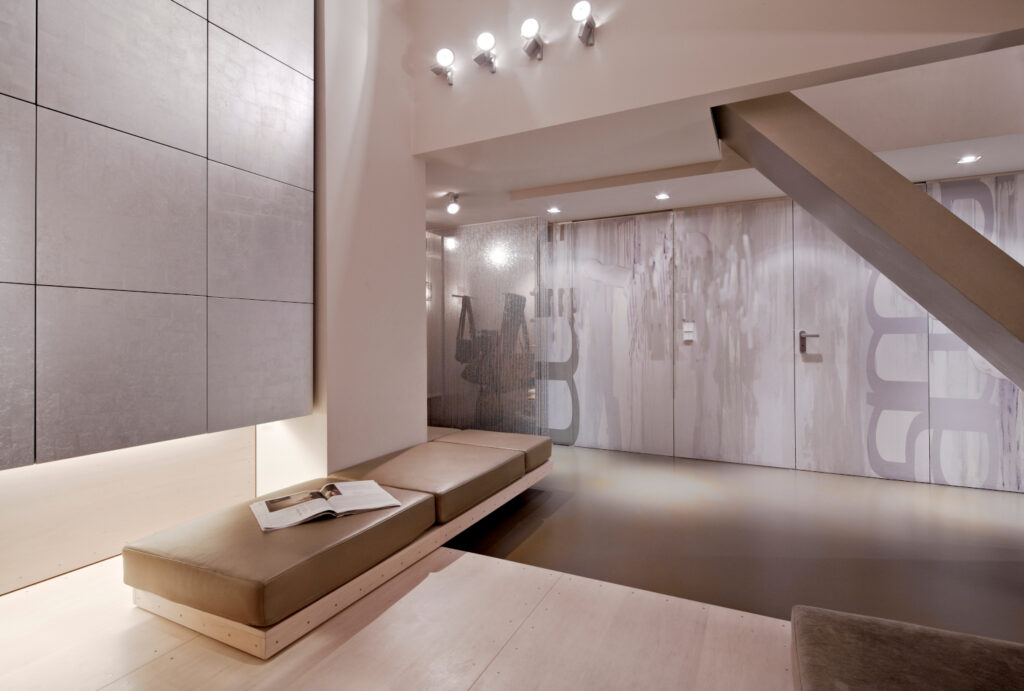
If interior design is about improving quality of life, sensory design is central. It challenges designers to think more deeply about how people feel, move, and exist in space. It requires blending aesthetics with empathy and translating neuroscience and behavioral psychology into materials, layouts, and finishes. If you’re feeling intimidated, don’t be. Just start asking more questions!
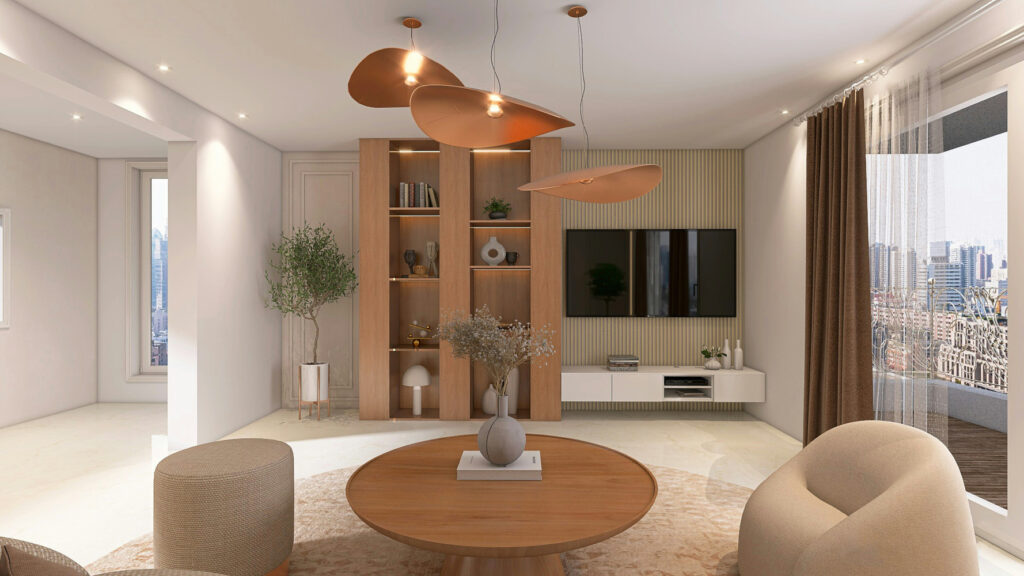
Sensory design allows spaces to speak to more people, in more ways, with more intention. As client expectations evolve, and the demand for inclusivity grows louder, interior designers must develop fluency in the language of sensory experience. So, start small, test ideas, talk to users, and design with adaptability in mind. That’s just good design.
SOURCES: ICFF