Furniture trends in 2026, like many others in interiors, are moving decisively away from surface-level styling toward deeper, more personal expressions. The furniture you specify now should tell a story about permanence, emotion, and cultural nuance. This week, Interior Design 411 details how to navigate the trends reshaping furniture selection in the coming year, plus some of our favorites to shop right now.
Texture Takes the Lead
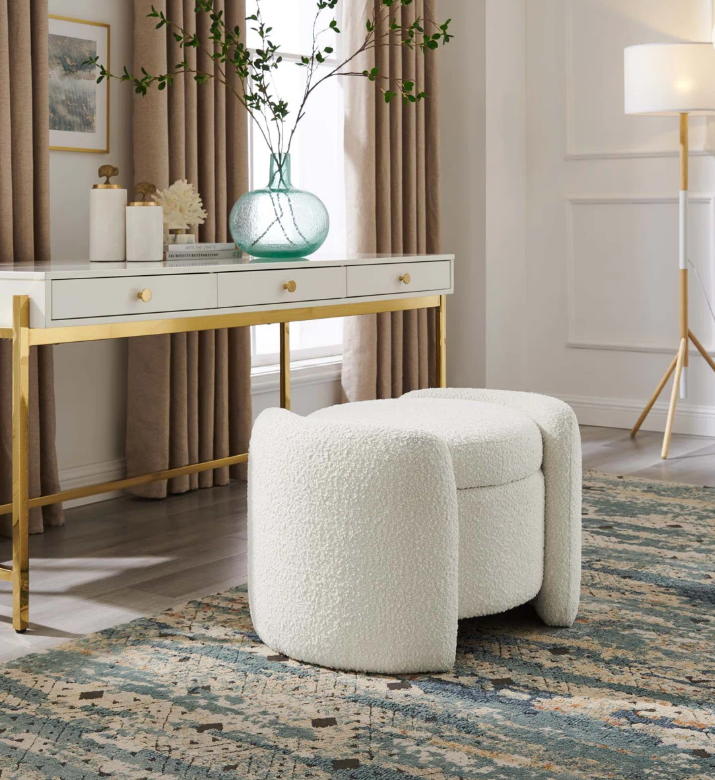
Materials are becoming just as important as form. Expect to work more with chenille, mohair velvet, coarse linens, looped bouclé, and raw stone. In particular, high-end applications of looped bouclé with a heavier, denser pile are gaining traction. In open‑plan layouts, these surfaces can actually subtly dampen sound. Consider suggesting a bouclé-fabric ottoman in a living room to anchor a lounging area adjacent to a work-from-home desk zone. The ottoman then becomes not only a seat but a soft, cloud-like boundary that diffuses visual and sonic clutter.
When working with clients, prioritize texture early on in the material selection phase. A tactile focus can be used to zone open spaces and elevate everyday items such as an ottoman, a bench, or a side table into subtle statement pieces that invite interaction and calm, without relying on color or form alone.
Items We Love
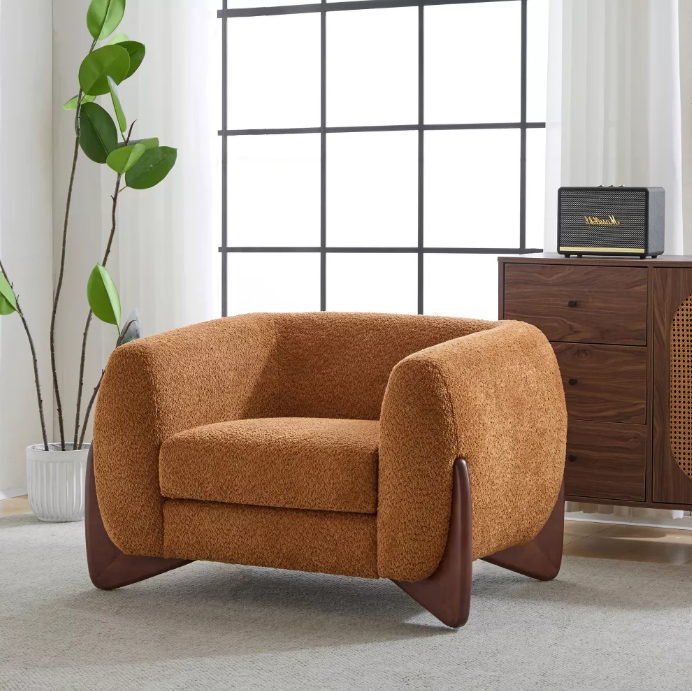
Raymond Birch Wood Boucle Upholstered Club Chair
Christopher Knight Home
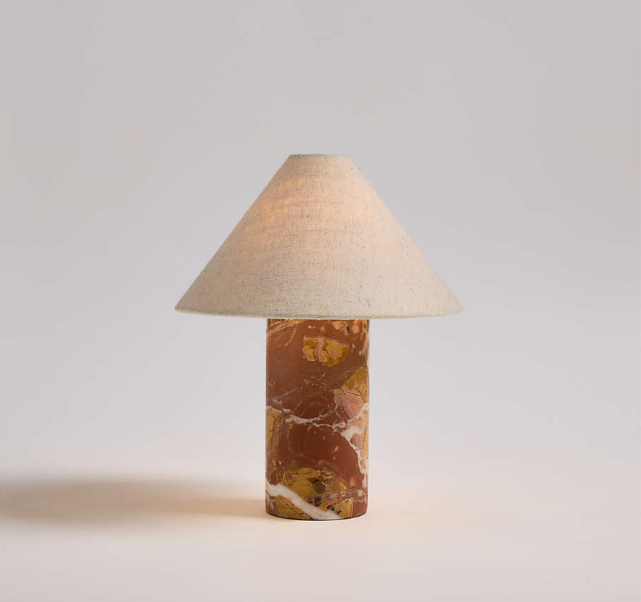
Chez Red Marble Mini Table Lamp
Crate & Barrel
Goodbye Matching Sets, Hello Personality Pieces
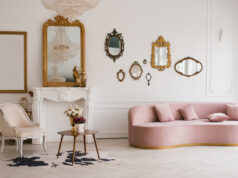
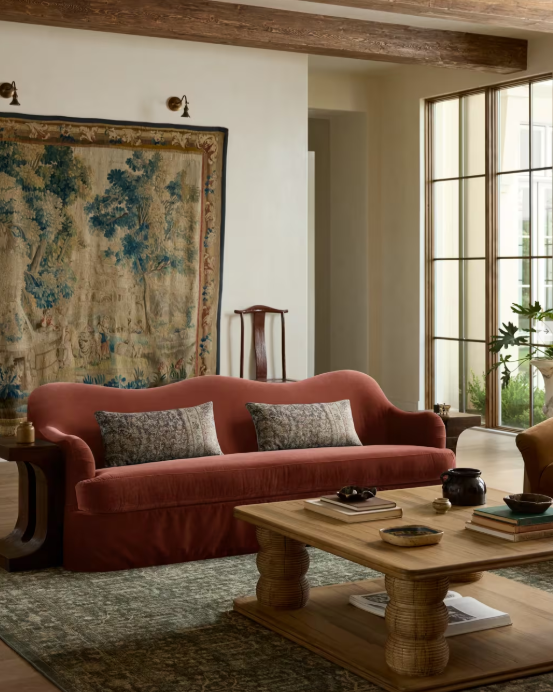
If you didn’t know, uniformity is out. Furniture collections that follow a strict match-and-place formula are giving way to pieces carefully chosen for their individuality and personal significance. The best spaces in 2026 will be curated and grounded in both heirloom and contemporary elements. This evolution challenges designers to act as editors and narrators for clients, choosing pieces that complement, contrast, and create meaning in tandem.
This pivot reflects a broader cultural appetite for identity in a digital world saturated with mass‑produced sameness and that tell-tale AI sheen. As more clients (especially younger homeowners) come of age in a marketplace flooded with cookie-cutter items, they are craving pieces with provenance. For 2026, specify items that reflect heritage, memories, or personal journeys. The bolder, the better.
Items We Love
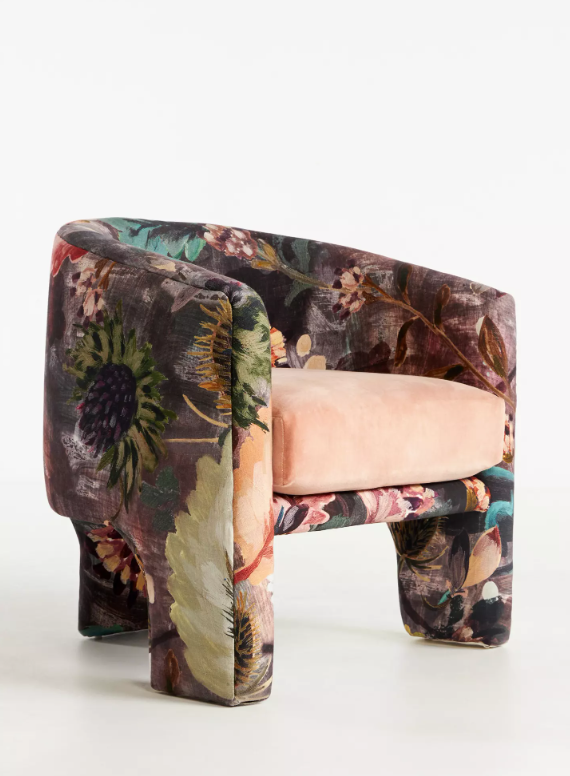
Effie Lena Velvet Tripod Chair
Anthropologie
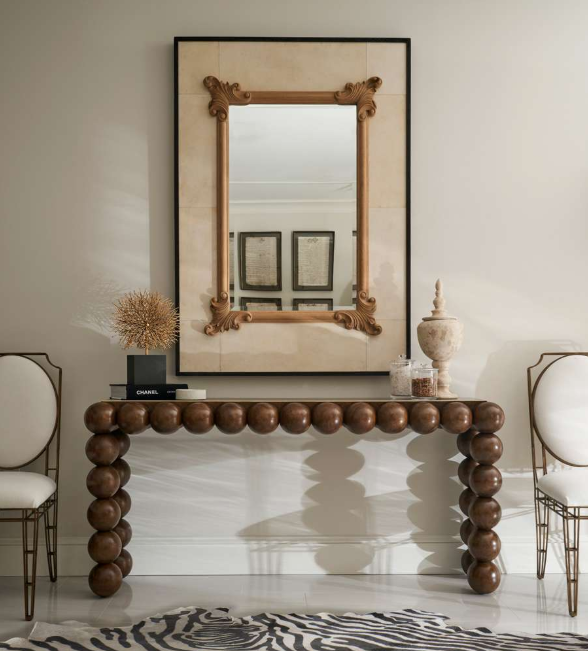
Jonathan Charles
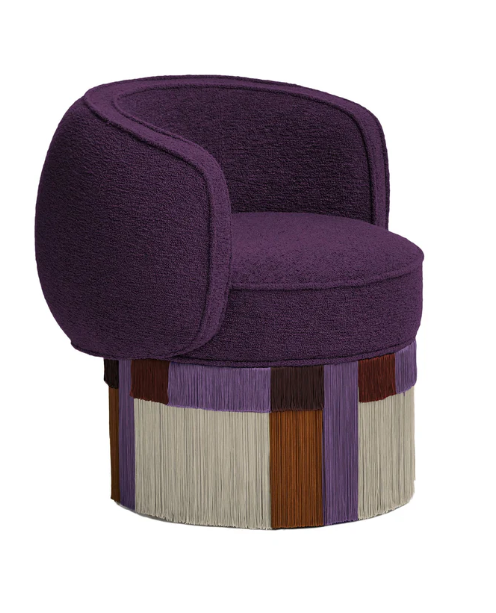
Pirouette Clu Swivel Wien Purple Armchair
Lorenza Bozzoli Couture
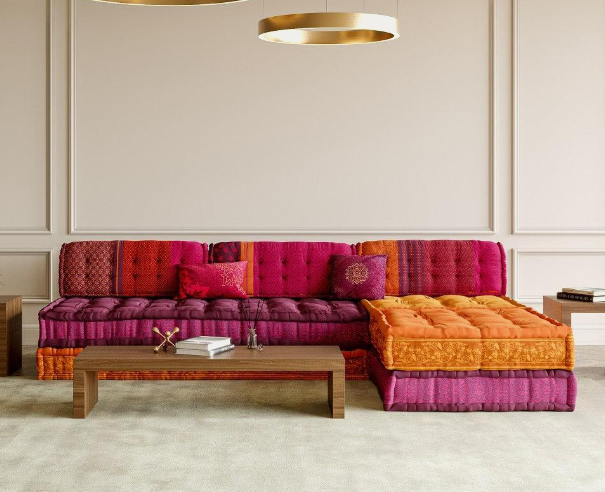
Curves Are Here to Stay … With Restraint
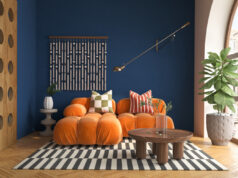
While curved furniture isn’t new, expect new iterations to be softer and more refined. Inspired by ’70s silhouettes but stripped of their pastiche, this new wave of organic shapes emphasizes comfort and flow. Curved sofas, rounded chairs, arched cabinetry, and sculptural accents are being upholstered in warm, earthy fabrics that feel deeply livable and lean heavily into biomimicry. These shapes are often CNC-milled from solid wood or thermoformed composites, signaling a quiet mastery of material technology that doesn’t scream for attention.
Curves slow the visual pace of a room, guiding movement, softening hard angles, and promoting calm. Designers are using them right now to offset architectural rigidity and reintroduce a human quality that flat-pack modernism has lacked. These forms are sensual, but not merely decorative, so ensure your picks are essential to the rhythm of the room.
Items We Love
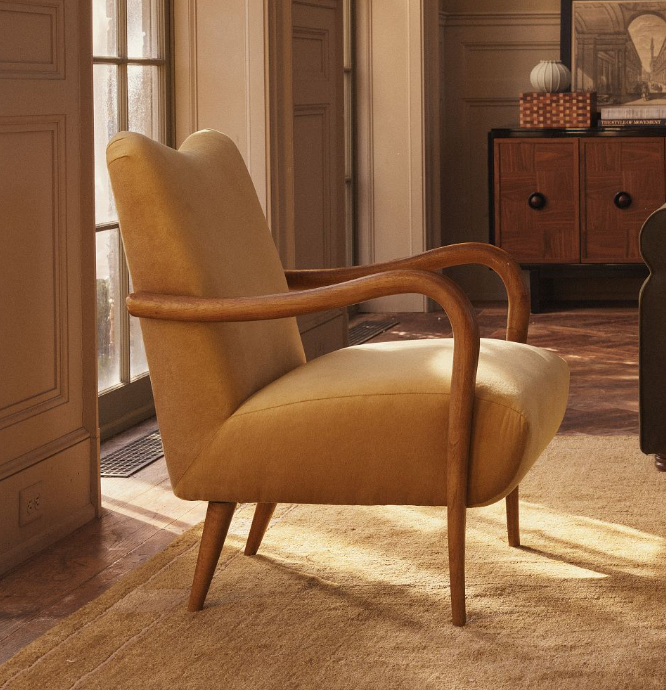
West Elm
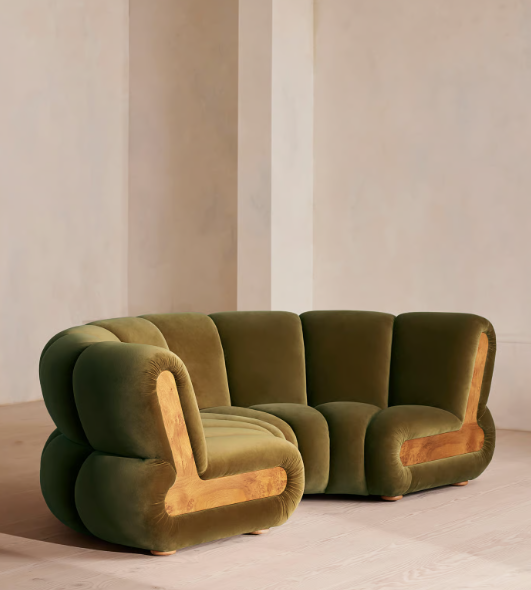
Soho Home
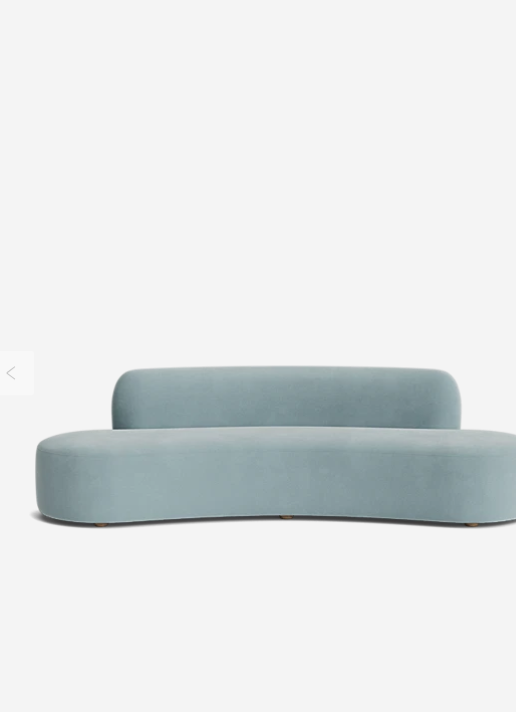
Lulu and Georgia
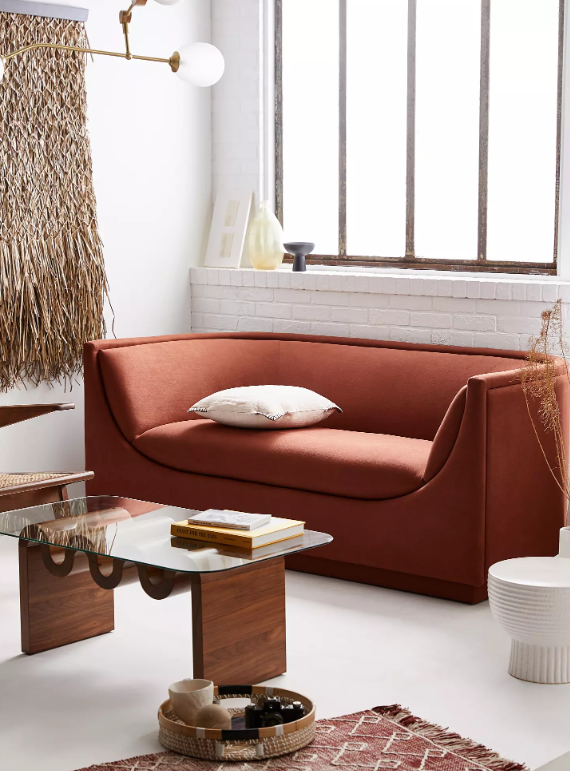
Urban Outfitters
Color Driven by Mood, Not Media
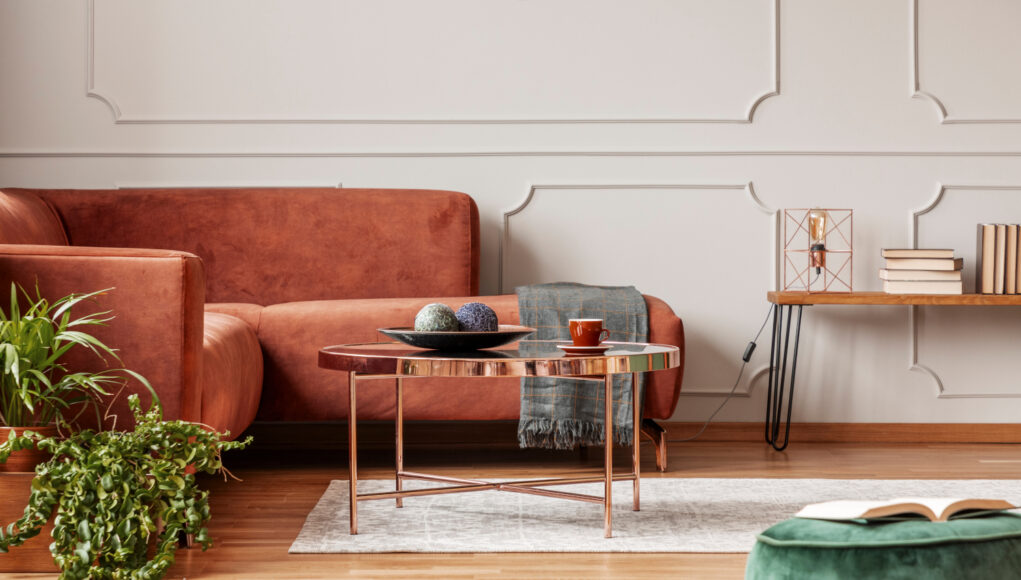
Deep greens, muted plums, ochres, and russet tones are gaining ground, especially in upholstered pieces and painted wood finishes. But color is becoming increasingly psychological rather than trend-focused. Instead of asking, “what color is trending?” the better question to ask in 2026 is, “how should this room feel?” Color stories in 2026 will reflect emotional cadence, and this call for emotional coloring demands a more nuanced and personalized approach.
For example, a reading nook illuminated by morning light might benefit from a soft ochre armchair (evoking comfort and wakefulness), while an evening lounge area could be grounded by a deep forest-green sofa that absorbs light and cues relaxation. Ask clients questions like, “What time of day do you use this space most, and how do you want to feel during that time?” to narrow down your palette choices.
Wood That Tells a Story
Wood is reasserting its presence as a central material element. The clean, uniform finishes of the past decade are giving way to visible grain, knotting, and variation. Rather than disguising imperfections, designers are now highlighting them as a feature. Wood that expresses growth and age is becoming essential to interiors that embody authenticity.
Look for walnut, smoked oak, white oak with cathedral grain, and reclaimed woods with patina. And reconsider how wood is used, not just as a backdrop or floor finish, but as a statement in case goods, accent pieces, and structural elements like shelving or built-ins.
Items We Love
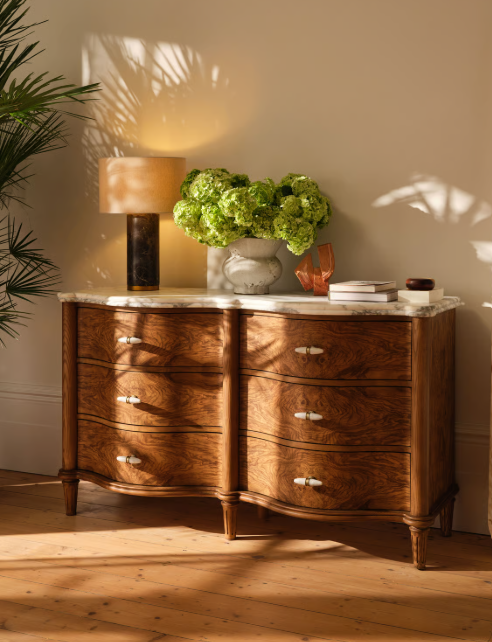
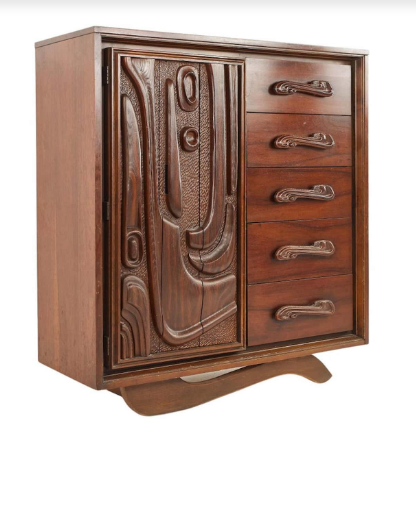
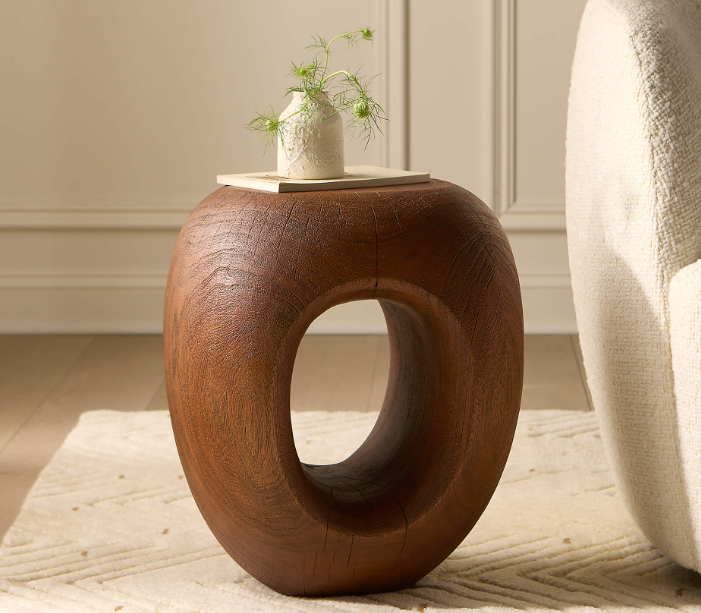
Studio ANANSI for CB2
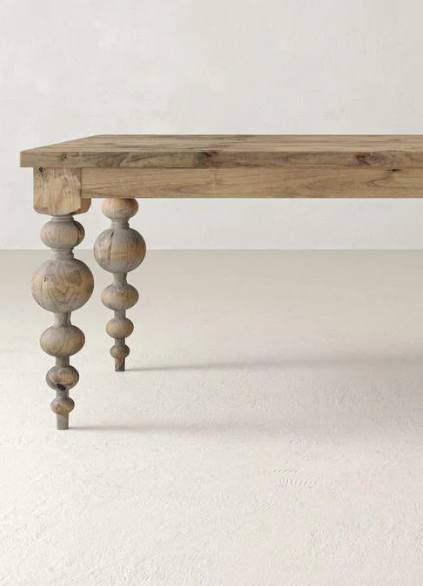
Olivia Dining Table in Harvest Wheat on Alder
James & James
Bold Is the New Black
Textiles are becoming one of the most expressive channels for individuality. Instead of retreating into safe neutrals, designers are now incorporating bold, geometric, and culturally inspired patterns, often with strong personal or nostalgic ties to the client. Upholstery in particular is moving into more adventurous territory, with patterned lounges, stools, and bed frames serving as key anchors of personality in otherwise toned-down environments.
Whether referencing a client’s heritage, travel experience, or artistic sensibility, these pieces allow the space to speak beyond aesthetic and allow for more narrative engagement.
Items We Love
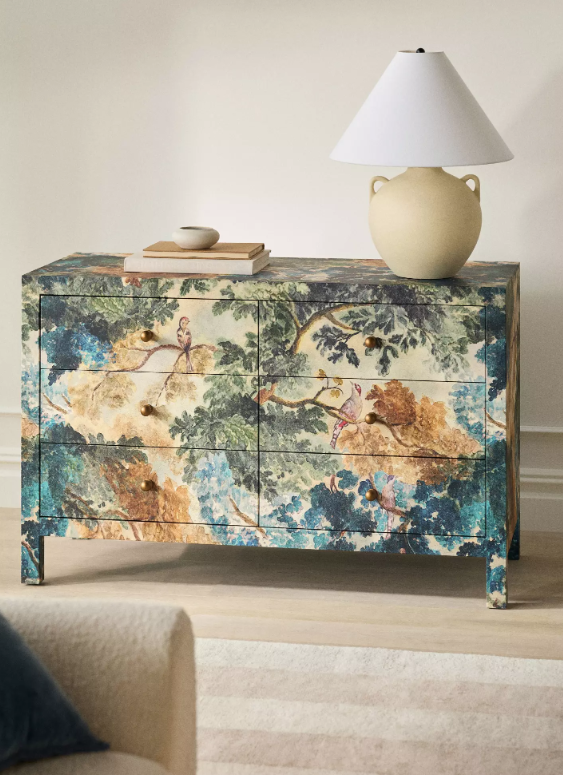
Hale Canvas Six-Drawer Dresser in Judarn
Anthropologie
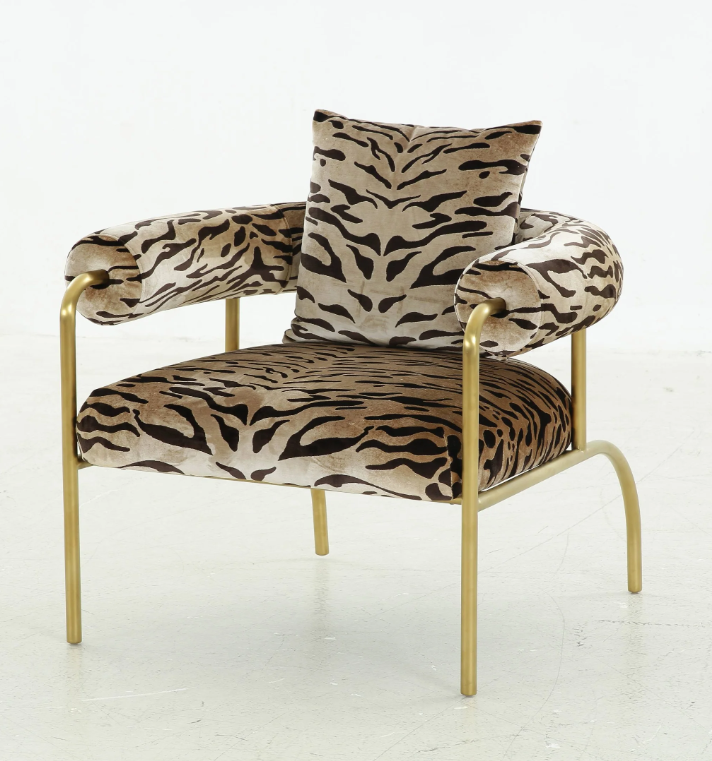
Modrest Kola Gold Zebra Print Accent Chair
VIG Furniture
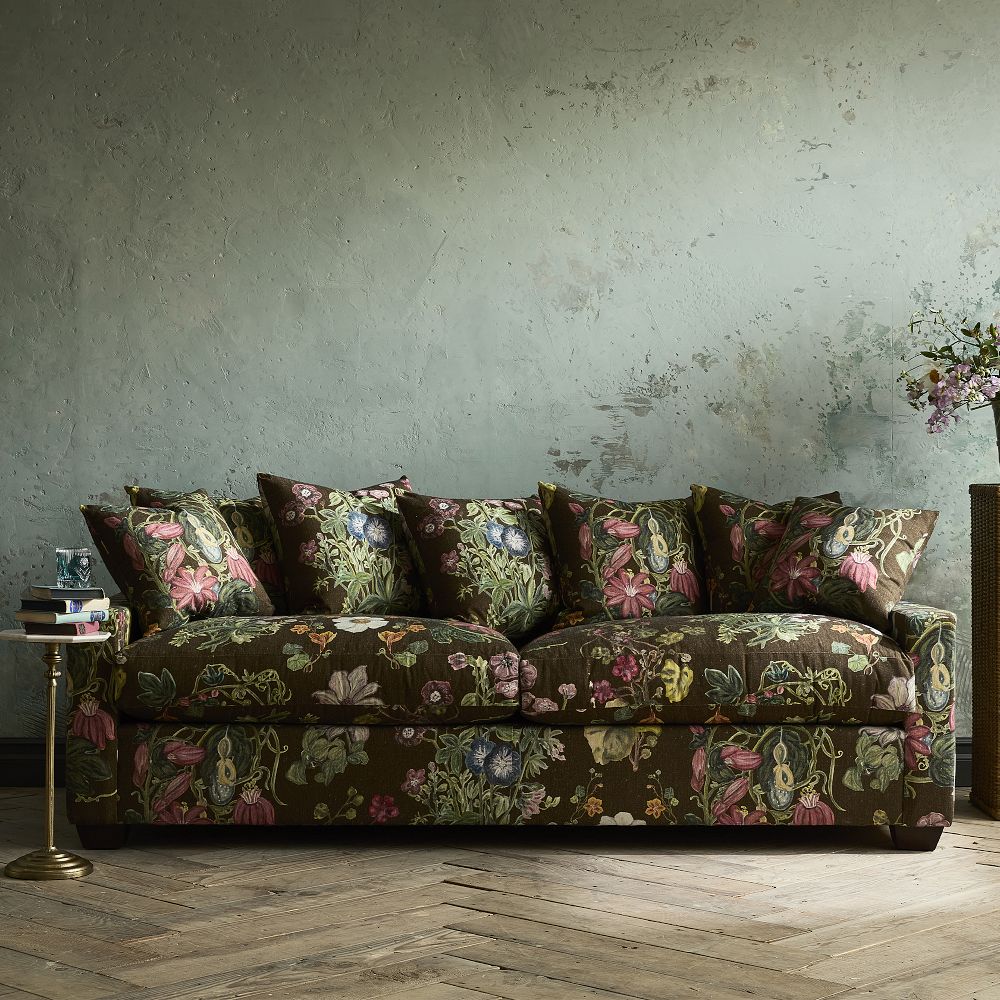
GreenRow
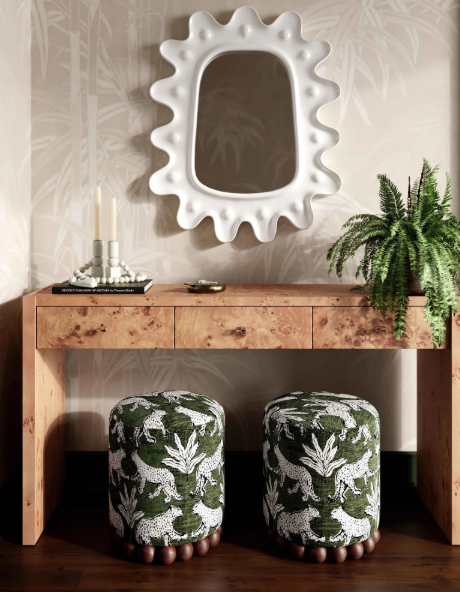
The Return to Craftsmanship and Meaning
More than any one surface or silhouette, what defines the direction of furniture in the coming year is a return to craftsmanship. Clients are increasingly drawn to furniture that feels substantial, so seek out pieces with visible joinery, hand-applied finishes, and honest materials. Furniture should reflect both care in its making and intention in its placement.
Designers are leaning into this by specifying from artisans, smaller makers, or heritage brands that still prioritize handwork. While this may mean longer lead times or higher costs, clients are more willing to invest in furniture that won’t need to be replaced in three years.
Your clients will no longer be satisfied with furniture that simply looks good on the Instagram feed. They want pieces that reflect who they are, that evolve with their life, and that hold up to daily use without losing meaning. Furniture that endures, both physically and emotionally, will be the expectation. And that’s where great design can begin. What furniture pieces will you be using in 2026?