The tension between minimalism and maximalism isn’t about taste alone. These are distinct design philosophies with measurable psychological impact baked right in, and they continue to evolve alongside broader cultural and emotional paradigms. As interior designers, you’re directly shaping how people think, feel, and function in their environments depending on which route you take. Understanding these deeper mechanics of style and knowing when to apply which is a strategic advantage you can’t overlook.
This week, Interior Design 411 explores when to strip down and when to layer up with your design philosophy.
Design Cycles and the Emotional Economy
Design is never static, often reflecting cultural sentiment, societal moods, and global realities. Historically, minimalist aesthetics tend to re-emerge in response to periods of instability or overindulgence, offering visual order and mental relief. Think post-recession calm or today’s sustainability-driven restraint. Maximalism, by contrast, blooms in recovery phases. After the isolation of the pandemic, interiors flooded with saturated tones, layered textures, and curated clutter. These style choices were reactions to sensory deprivation and a craving for connection and belonging.
The pattern is familiar: After hardship, clients want spaces that feel full, vibrant, and personal. In quieter economic or environmental moments, restraint signals sophistication. Knowing where society sits in that cycle gives you leverage in guiding clients toward emotionally intelligent design decisions that stand the test of time.
Minimalism: Power in Simplicity
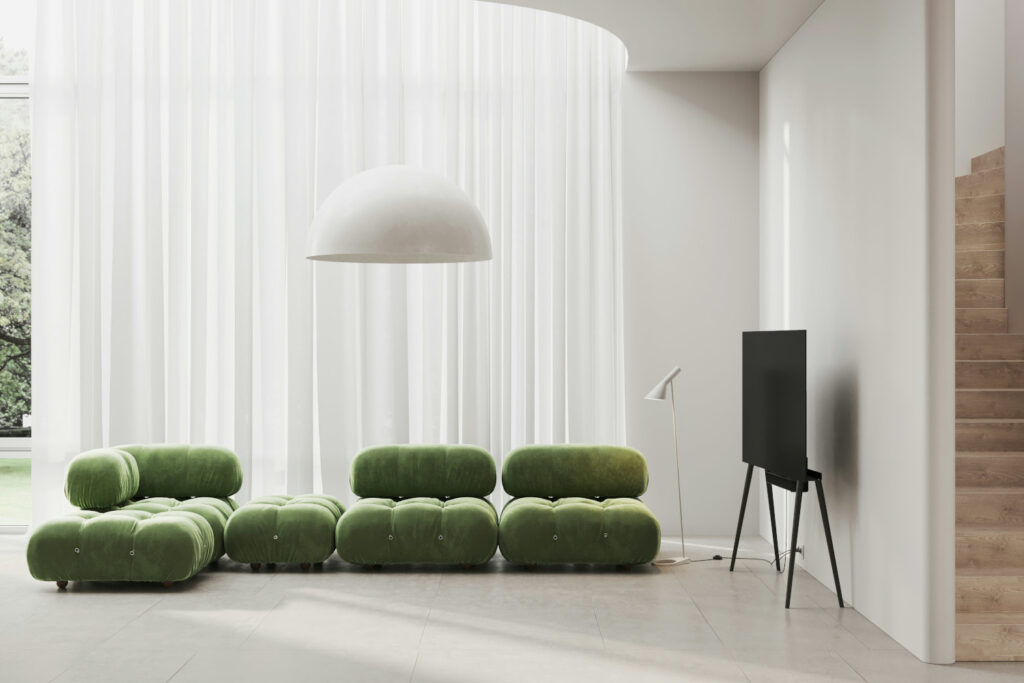
Minimalist interiors promise visual clarity at their core, but their value runs deeper. They support focus, lower stress, and encourage mindful living. This is particularly effective in high-function, high-traffic areas, such as offices, studios, and compact urban homes. In residential design, a pared-down take can act like a reset button, creating emotional and visual room to breathe.
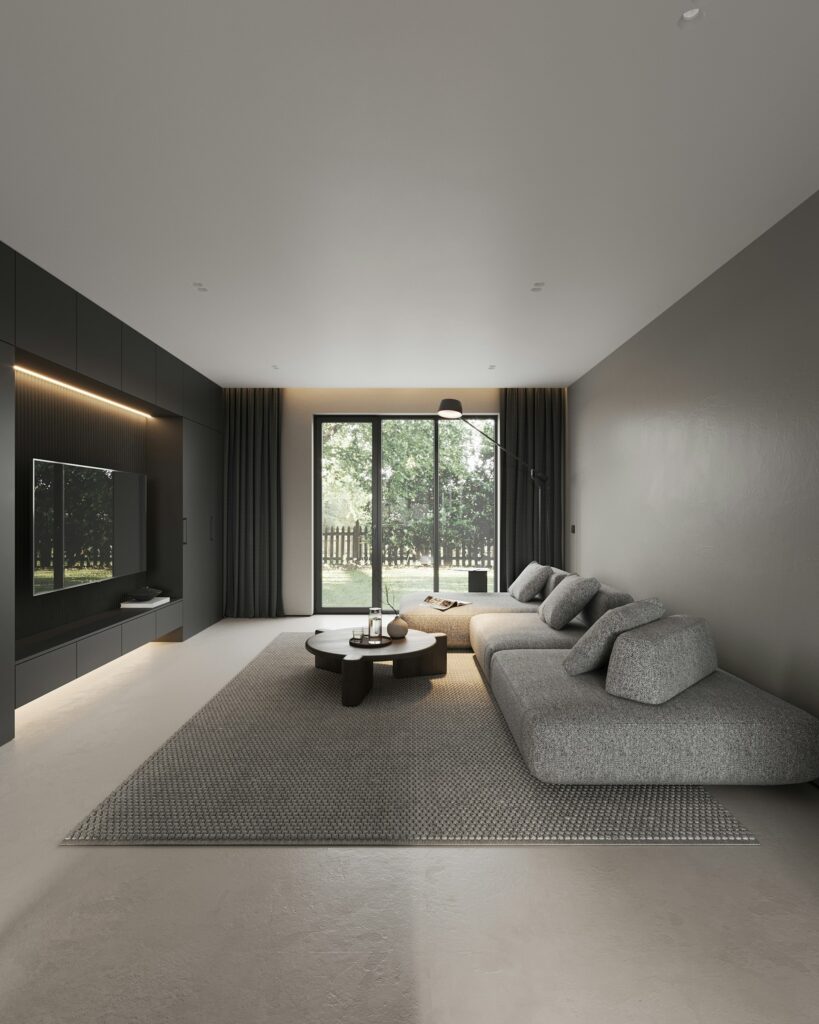
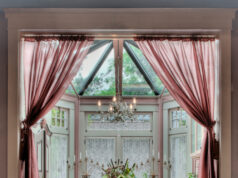
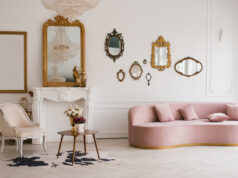
But minimalism that lacks material warmth or cultural texture can tip into sterility. The emerging “quiet luxury” movement we’ve been seeing addresses this, favoring tactile finishes, natural materials, and soft tonal palettes. These elements can give minimalist spaces emotional depth without the visual overload. The new minimalism is one that supports emotional comfort, with the real test in making it feel lived-in rather than hollowed out.
Maximalism: Stimulation as Sanctuary
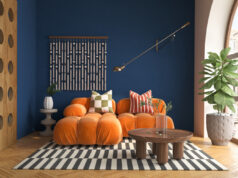
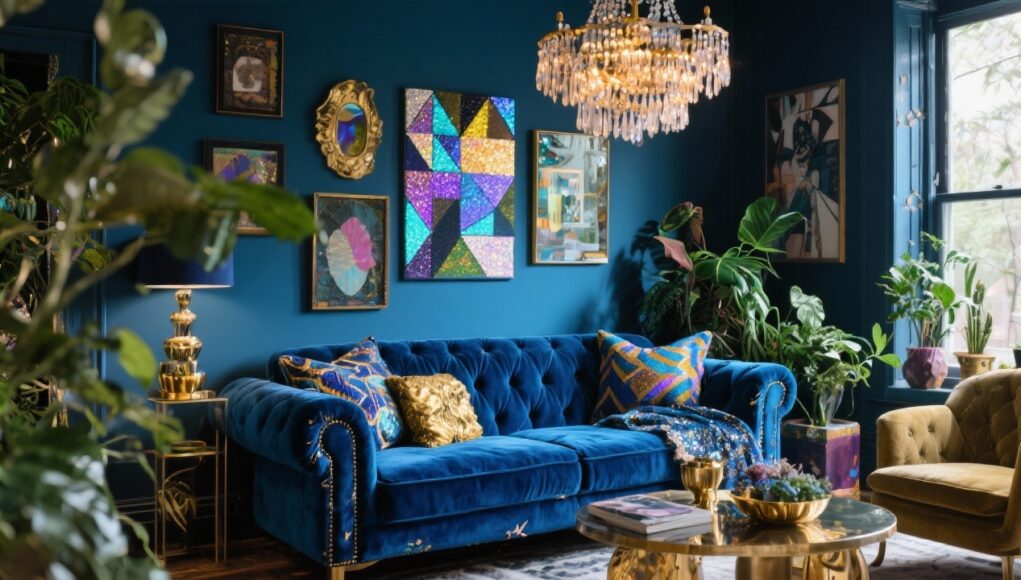
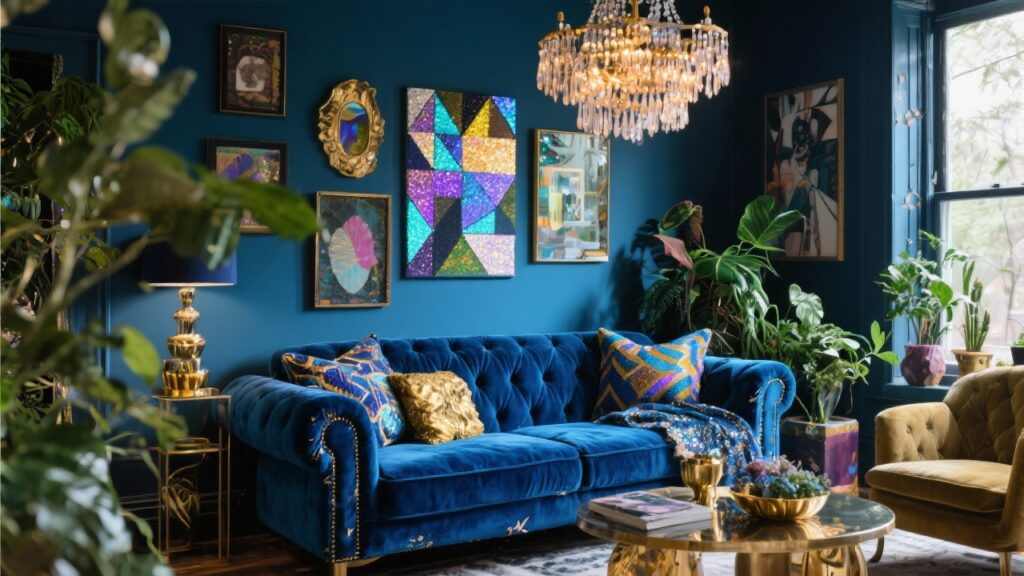
Maximalist spaces are often misunderstood as cluttered. But when done right, they actually provide structure through abundance. These spaces can be powerful tools for emotional connection and personal expression. In creative workspaces or homes for personality-driven clients, maximalist interiors can boost dopamine, stimulate imagination, reinforce personal or brand identity, and foster curiosity through storytelling.
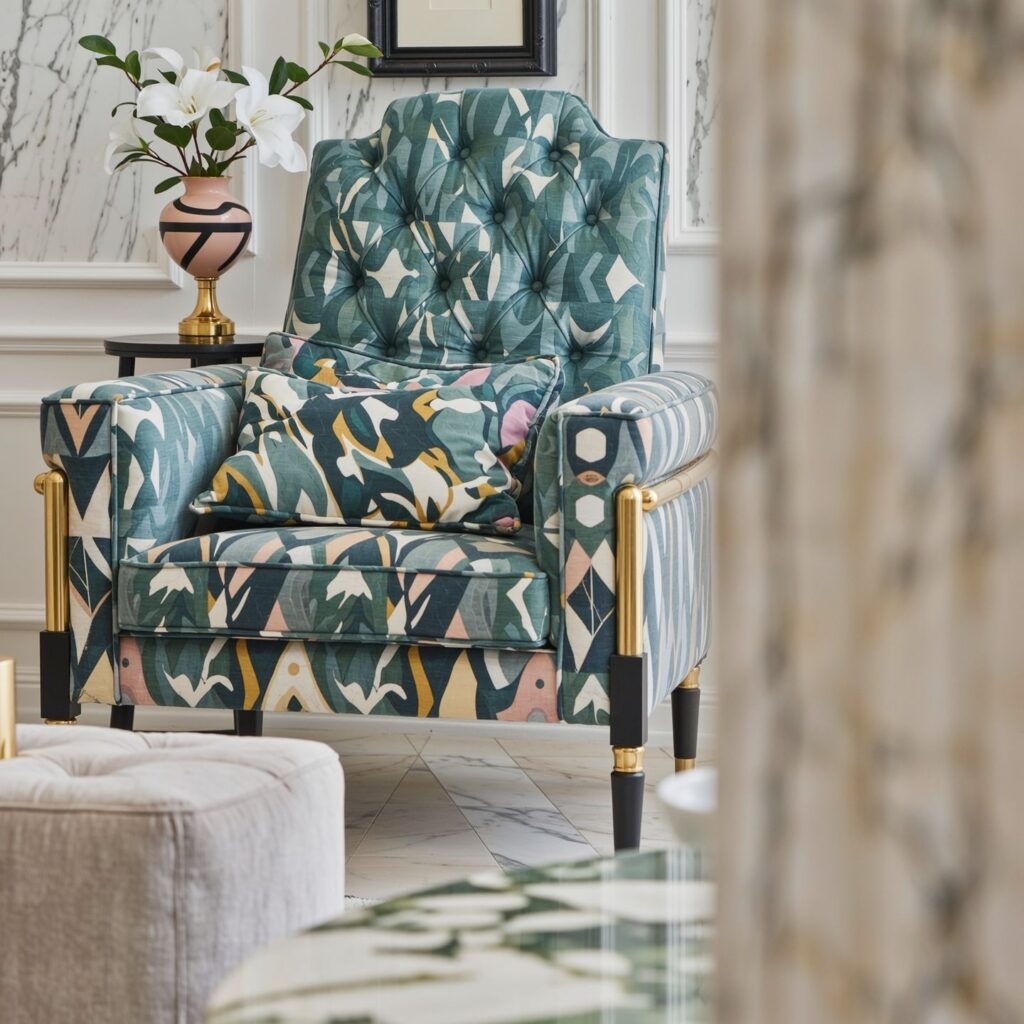
But maximalism must be curated, not chaotic. Not everything deserves the spotlight. The best applications balance rhythm and contrast with rigorous spatial control. Layered design isn’t license for visual noise, but rather an opportunity to build environments that reflect memory, meaning, and sensory richness.
Design for the Mind
You already design for form and function. The next frontier? Cognitive impact. Clients may not articulate it, but they feel it. Designers must calibrate environments to the intended psychological outcomes of being in a space. Consider all facets: cognitive load, sensory needs, and emotional triggers. A neurodivergent client may find peace in the predictability of minimalism, while another might find emotional support in the layered narrative of a maximalist setting.
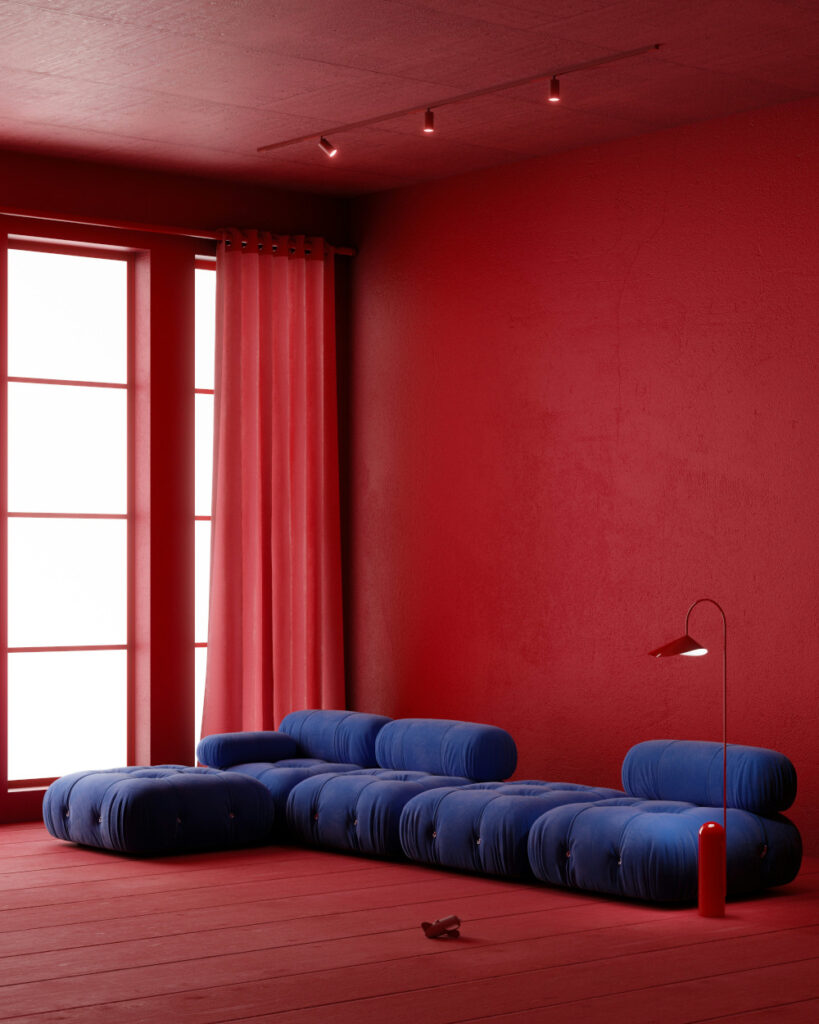

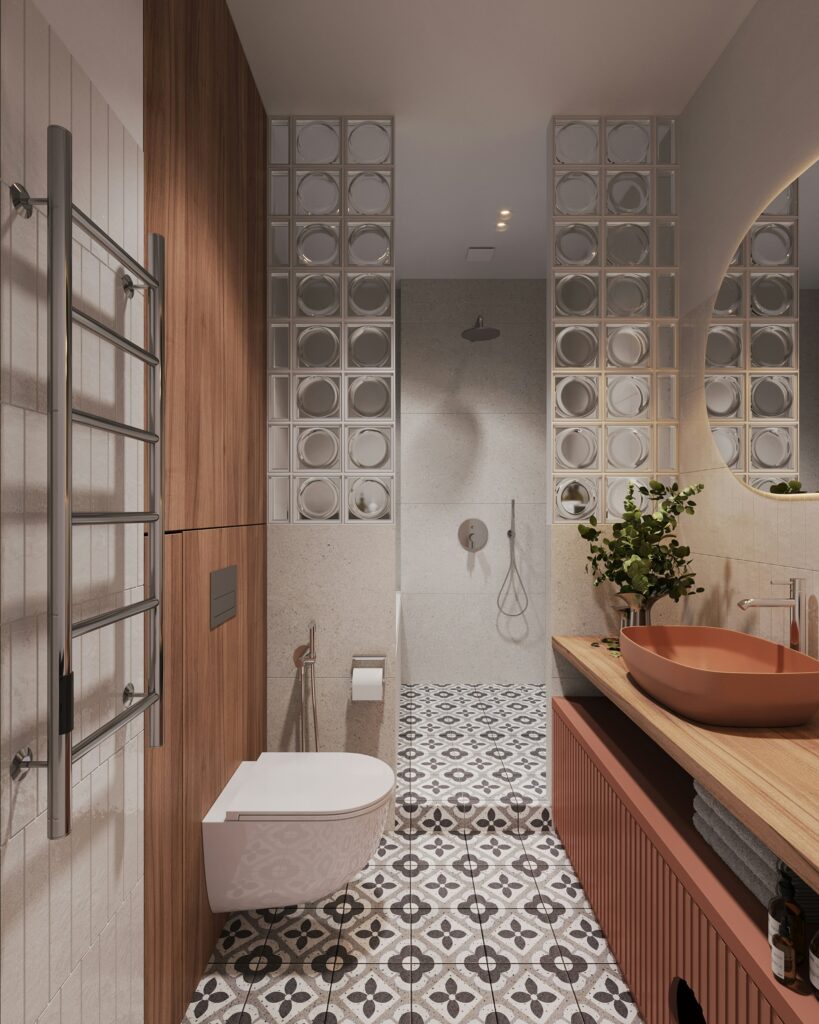
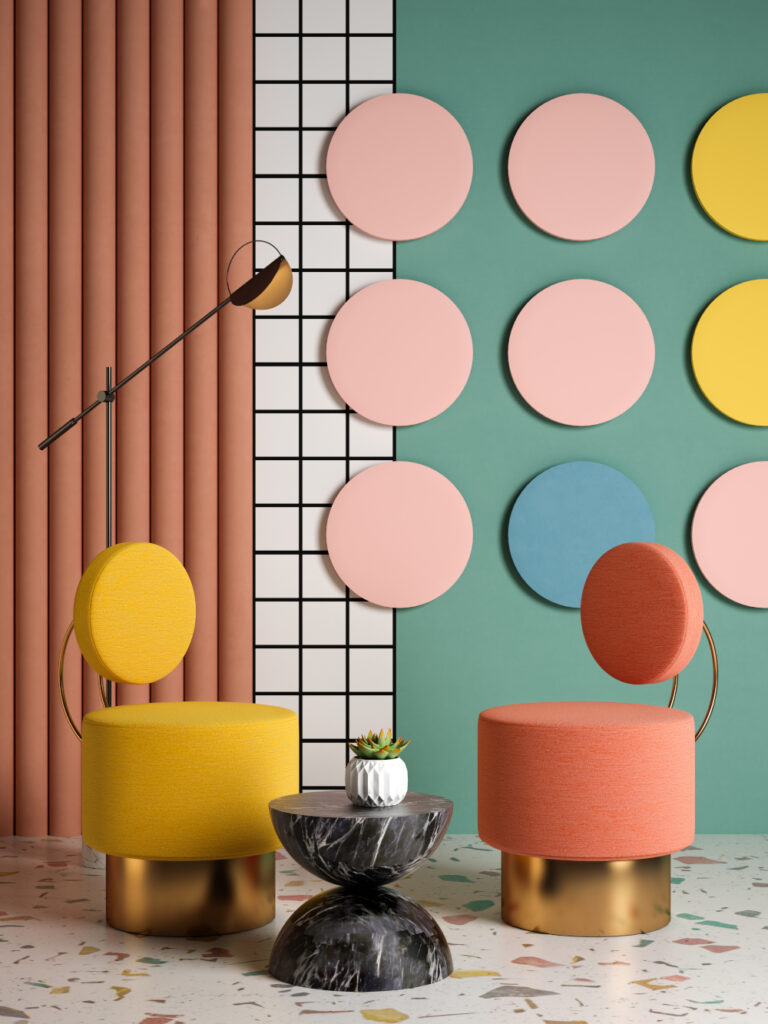
A one-size-fits-all philosophy doesn’t serve modern clients. Designers who adapt stylistic tools to psychological needs offer more than beautiful design. They offer environments that sustain mental health and identity. Wellness today extends beyond natural light and biophilic gestures into the psychology of place. Here are a few strategies to build into your workflows right now to get you designing with human psychology in mind:
- Assess sensory thresholds early. Go beyond aesthetic preference during consultations. Ask how clients respond to visual density, brightness, and silence to identify their optimal psychological setting.
- Design for modulation, not permanence. Include flexible layers — dimmable lighting, modular shelving, removable textiles — so clients can regulate the sensory intensity of a space.
- Think in rhythms. Plan sensory highs and lows across a room or sequence of rooms, alternating zones of visual calm with focal points of richness.
The Hybrid Approach: Less and More
Most real-world interiors don’t sit neatly in one camp. You’ve likely seen it play out with clients who come in wanting “clean, minimalist vibes” but also want their books, vintage glassware, and inherited Persian rugs. Enter the hybrid approach. This is intentional maximalism, soft minimalism, or, put simply, human-centric design.
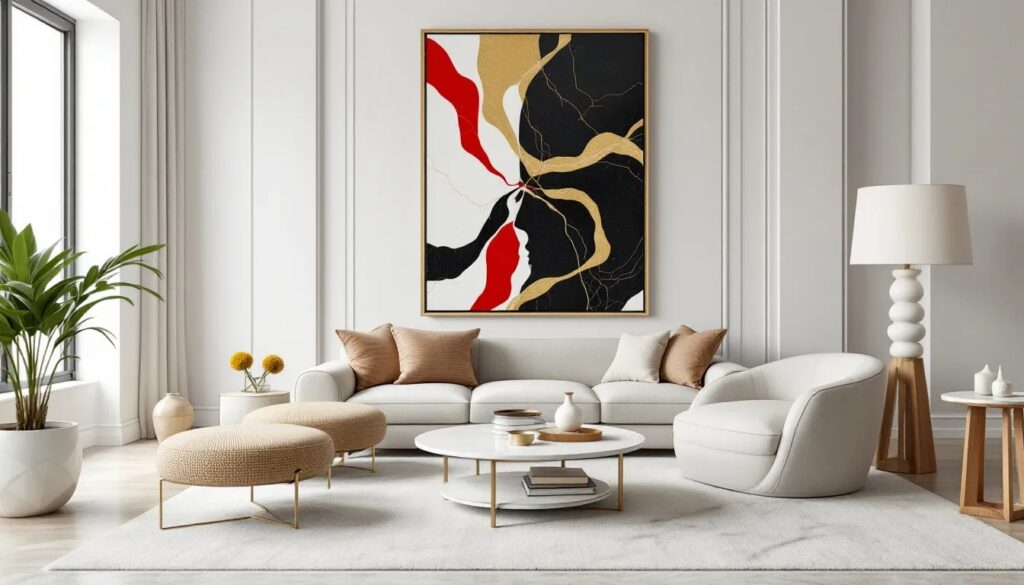
Think of Luis Barragán, Juan Montoya, or Kelly Wearstler. The work from these architects and designers is often minimalist in form but maximalist in spirit. The goal of a hybrid approach is not to dilute either but to draw strategically from both. Use minimalist planning to create flow and focus, and use maximalist layering to personalize and humanize the space. This marriage of the two distinct styles is becoming a covetable design language of its own.
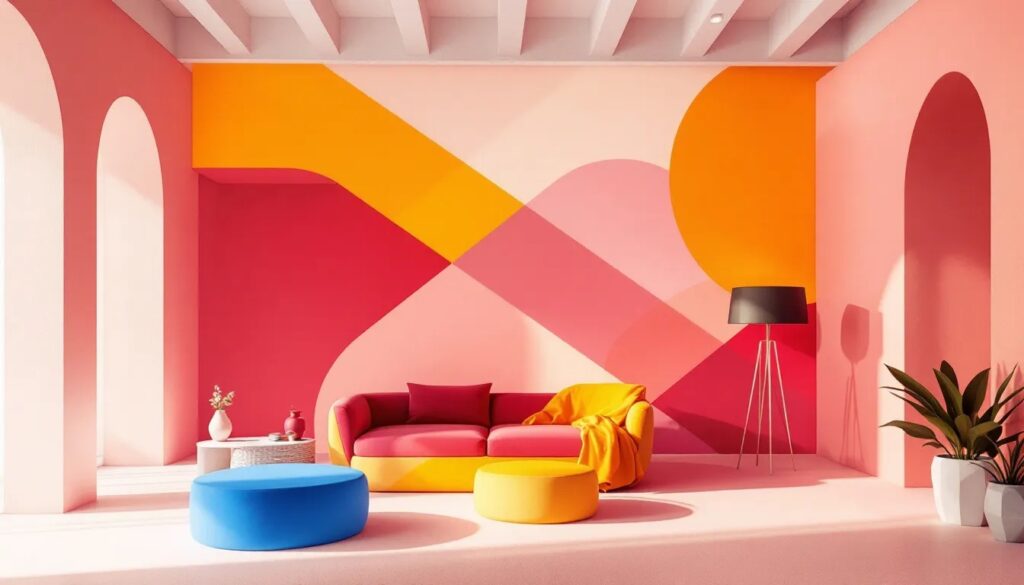
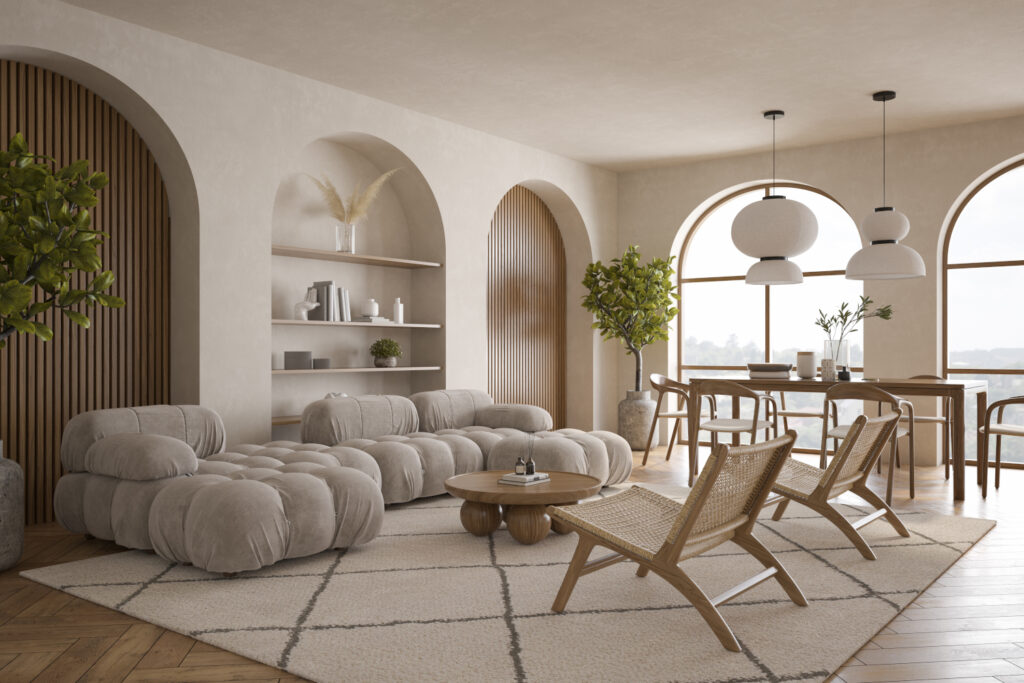
Looking to the hybrid masters offers a roadmap for balancing clarity with richness: Barragán teaches restraint in form while injecting emotional vibrancy through color. Montoya demonstrates how cultural references and eclectic layering can sit comfortably within structured layouts. Wearstler shows how bold pattern, texture, and sculptural furniture can all coexist with disciplined planning. The lesson is to pull in saturation, materiality, or ornament where it supports narrative, then pare back where the mind needs rest.
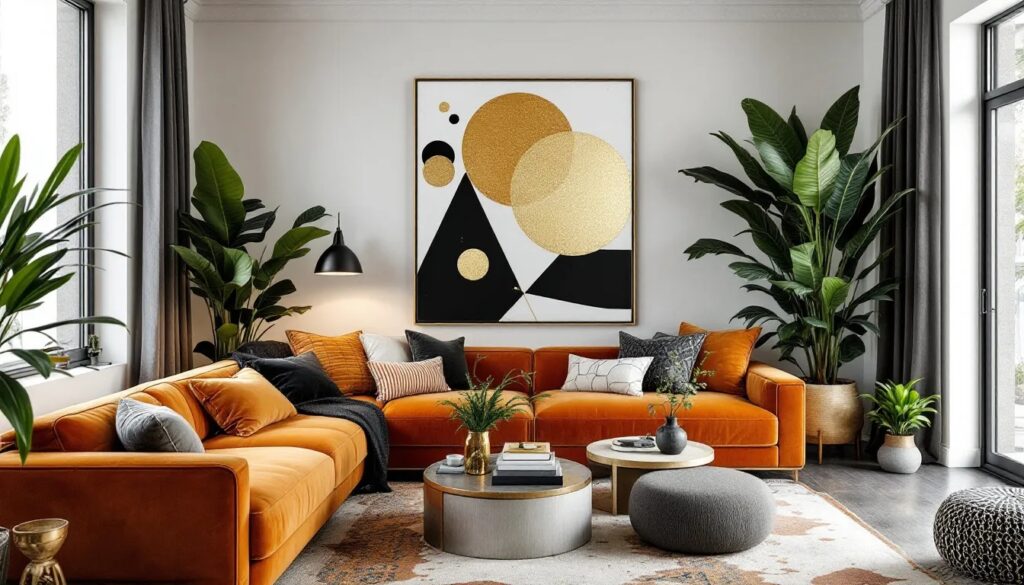
Minimalism and maximalism aren’t opposites. They’re tools. Use them with intent, and design not just for beauty, but for real behavioral, cultural impact.
SOURCES: Arch Daily, Juan Montoya Design, Brabbu, Kelly Wearstler