Design is always in conversation with the past. One of the most compelling dialogues taking shape right now is folk nouveau, a fusion of folkloric tradition and Art Nouveau elegance that’s turning heads. This hybrid style pulls from deep cultural wells while aligning with contemporary preferences for authenticity and artistry. It’s cozy without being quaint, romantic without being saccharine, and richly detailed without tipping into maximalist chaos. This week, Interior Design 411 details what you need to know about working with this unique marriage of style, plus some of our favorite pieces that nail the look.
The Folk Nouveau DNA
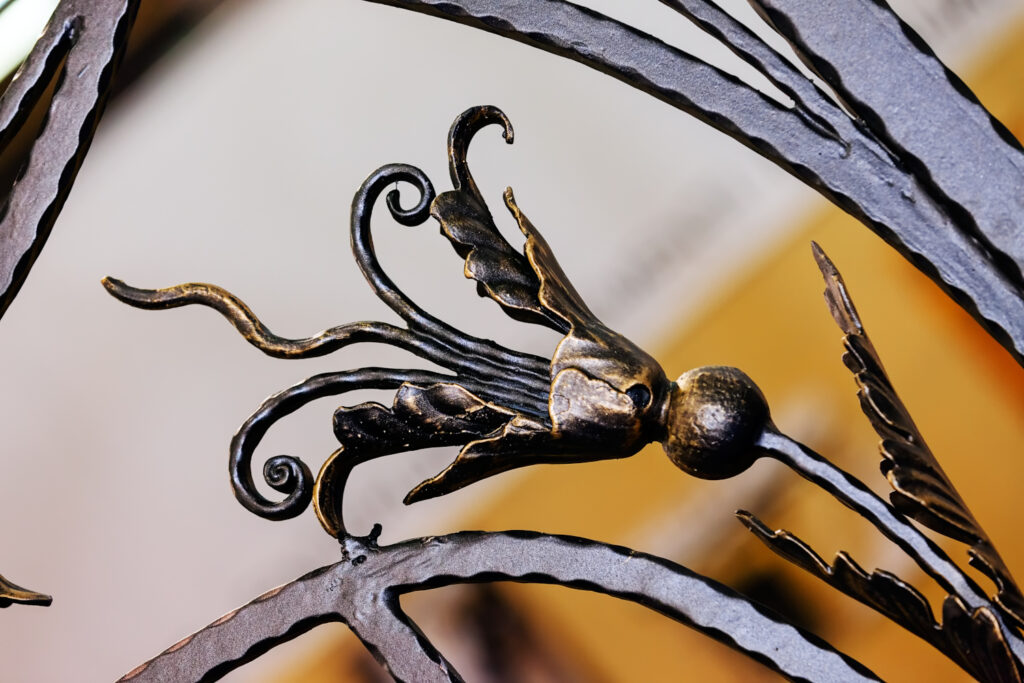
At its core, folk nouveau is the offspring of two rich visual languages. From folk traditions, it inherits the hand-drawn imperfection, the symbolic motifs, the saturation of color, and the narrative function of domestic ornamentation. From Art Nouveau, it borrows organic linework, curves, and a deep reverence for craftsmanship and nature.
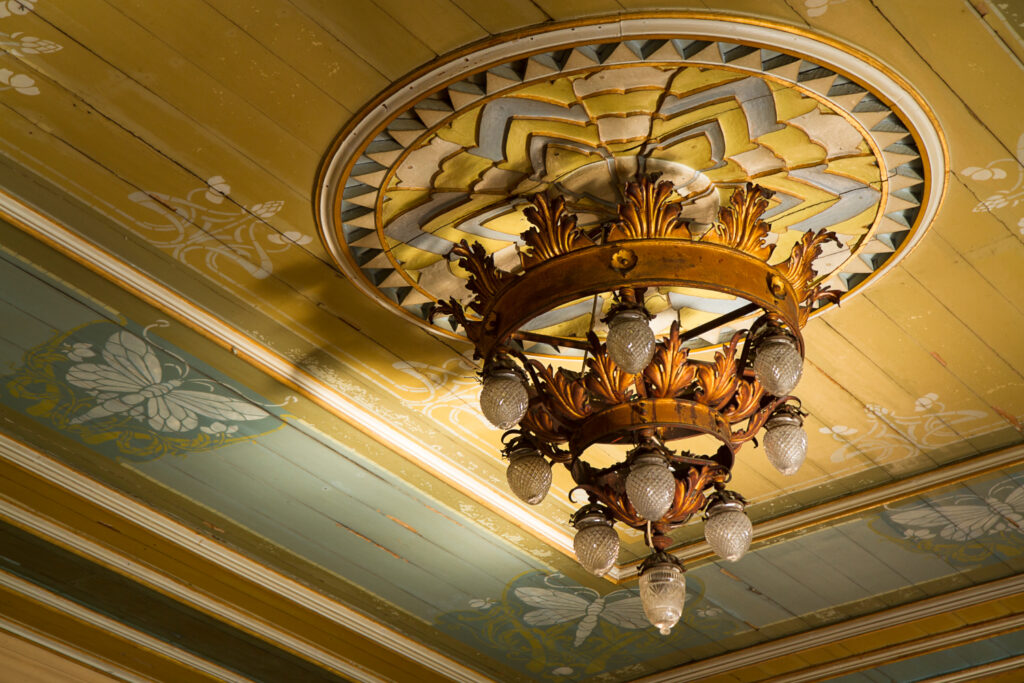
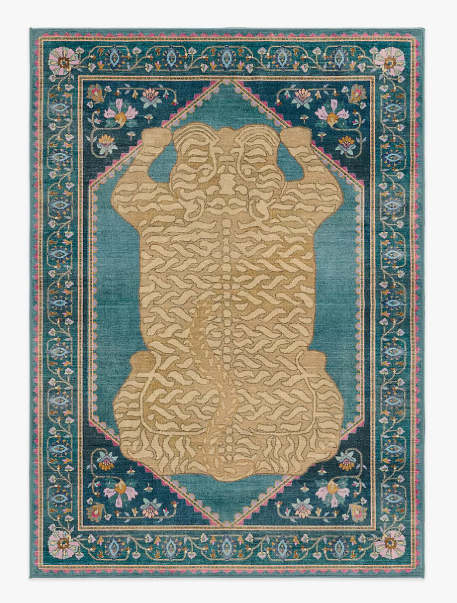
Maria O’Brien of Ruggable describes the style as “balancing nostalgia and artistry with the clean sensibility expected by today’s homeowners.” The look is storied yet streamlined, a new version of curated interiors that feels right at home in the 2026 design scene. Ruggable’s recent collaboration with Anthropologie introduced a wide audience to folk nouveau through machine-washable rugs that combine floral scrolls with folkloric charm.
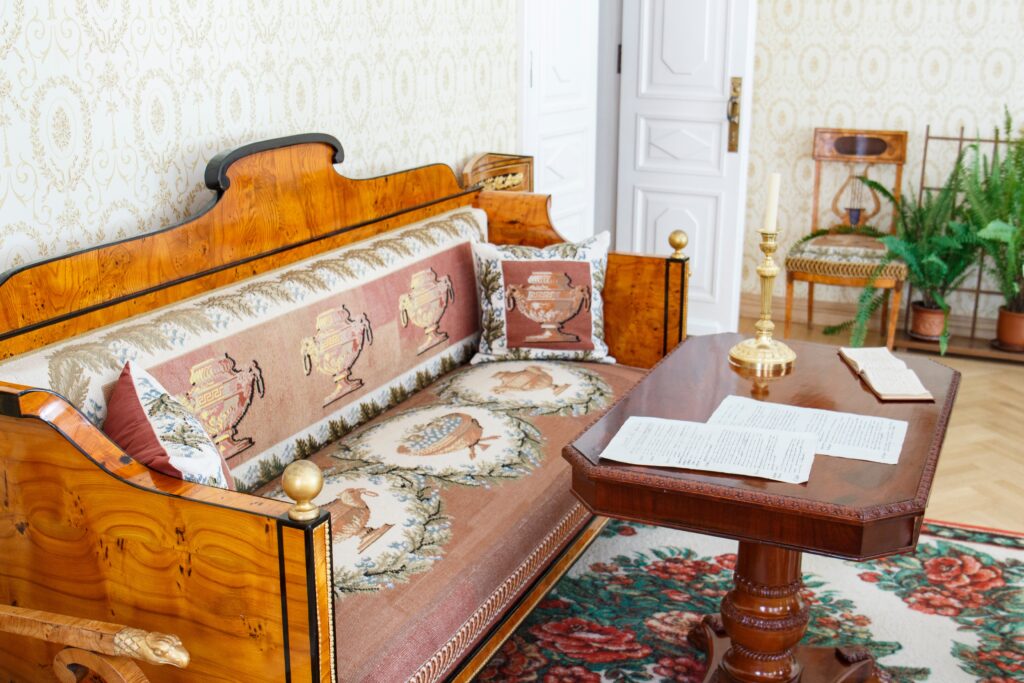
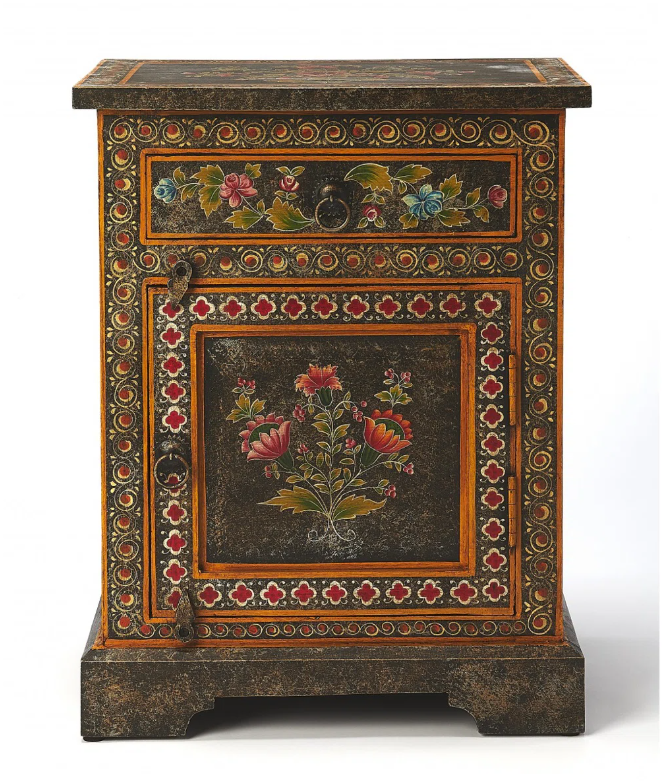
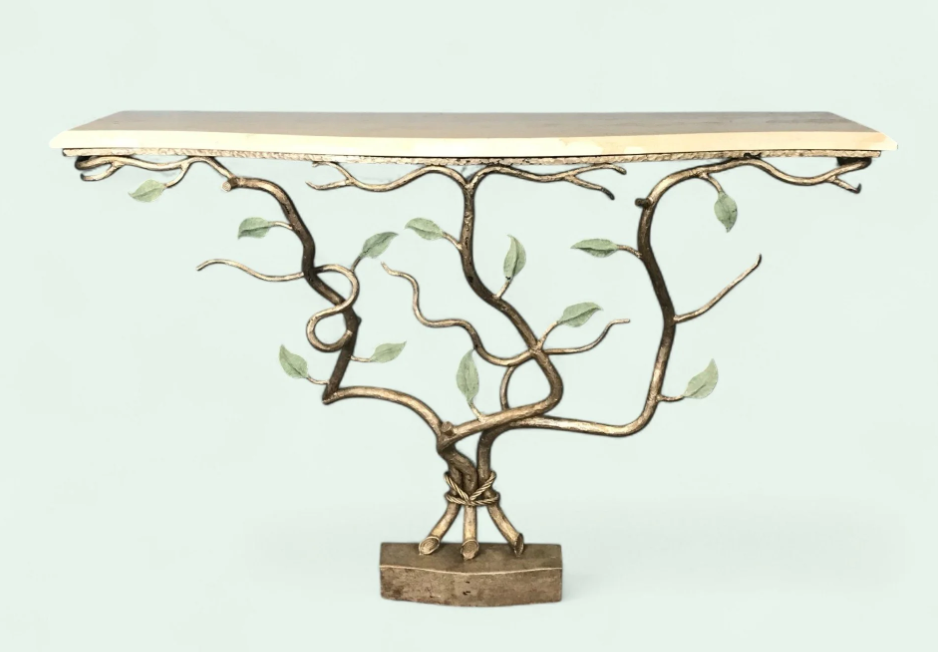
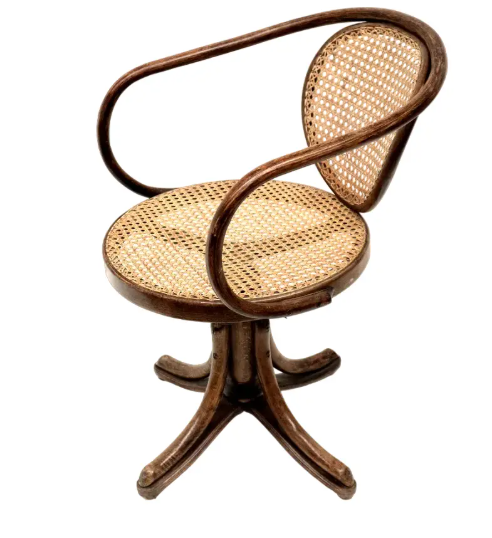
But the concept stretches far beyond these soft surfaces underfoot. Murals, handcrafted cabinetry, carved woodwork, and embroidered textiles are all active players in this style. Think floral-painted Swedish corner cupboards beside sinuous bentwood chairs; embroidered Uzbek suzanis layered on beds with Nouveau-style wallpapers; gilded light fixtures shaped like curling vines hanging above rustic pine tables. The key is in the dialogue between detail and refinement. To excel at this, balance bold, meaningful motifs with quieter, contemporary elements that allow the throughline narrative to breathe.
Items We Love
Symbolism In Style
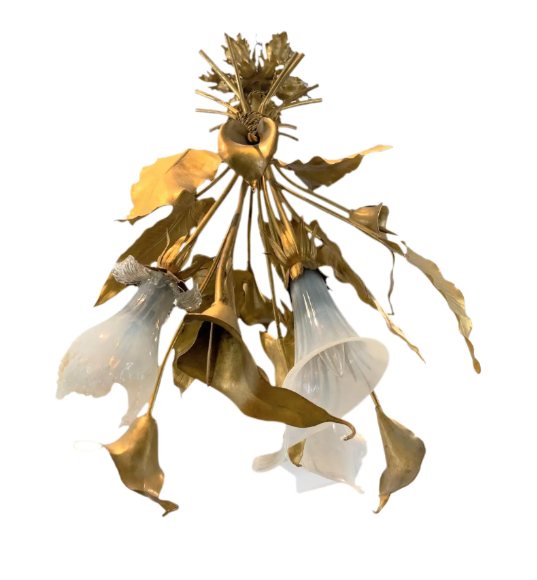
Folk nouveau’s power lies in its embedded meanings. Folk motifs such as horses, birds, florals, and geometrics are never just decorative. They’re symbols with deep regional and spiritual resonance.
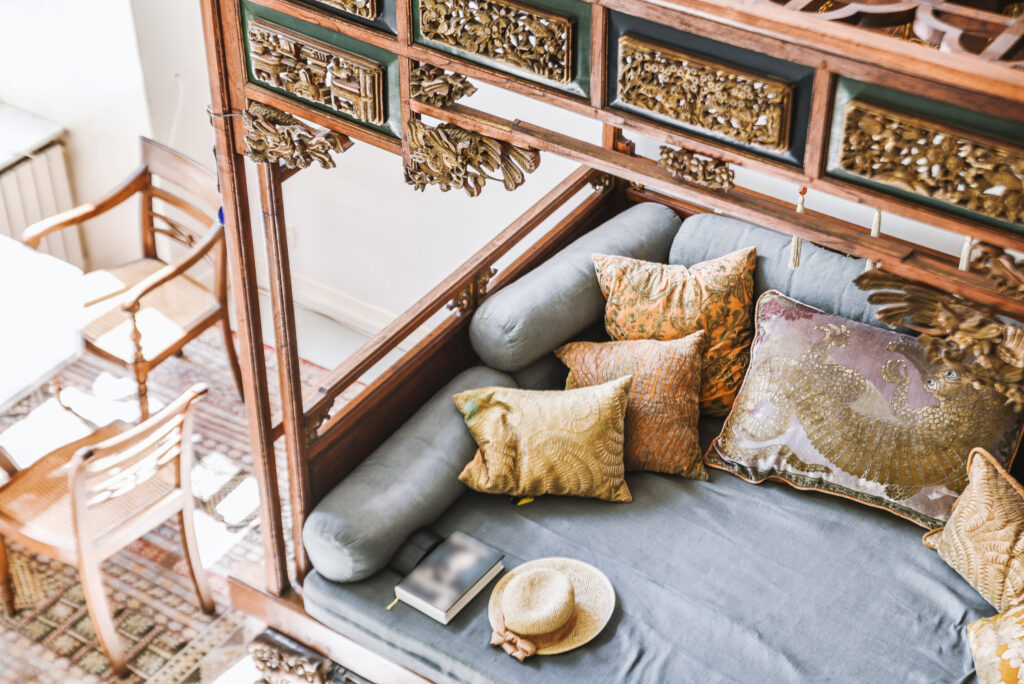
Incorporating these elements is all about storytelling. Curate pieces that carry cultural weight and integrate them with intention. Use them to ground a space with emotion, memory, and meaning. A hand-painted cabinet featuring Polish Zalipie-style florals, for instance, can recall a tradition born from women painting over soot-stained walls with vibrant blooms, a literal act of bringing beauty out of hardship. These pieces resonate far beyond their aesthetic value, offering layers of cultural narrative for designers to build upon.
Items We Love
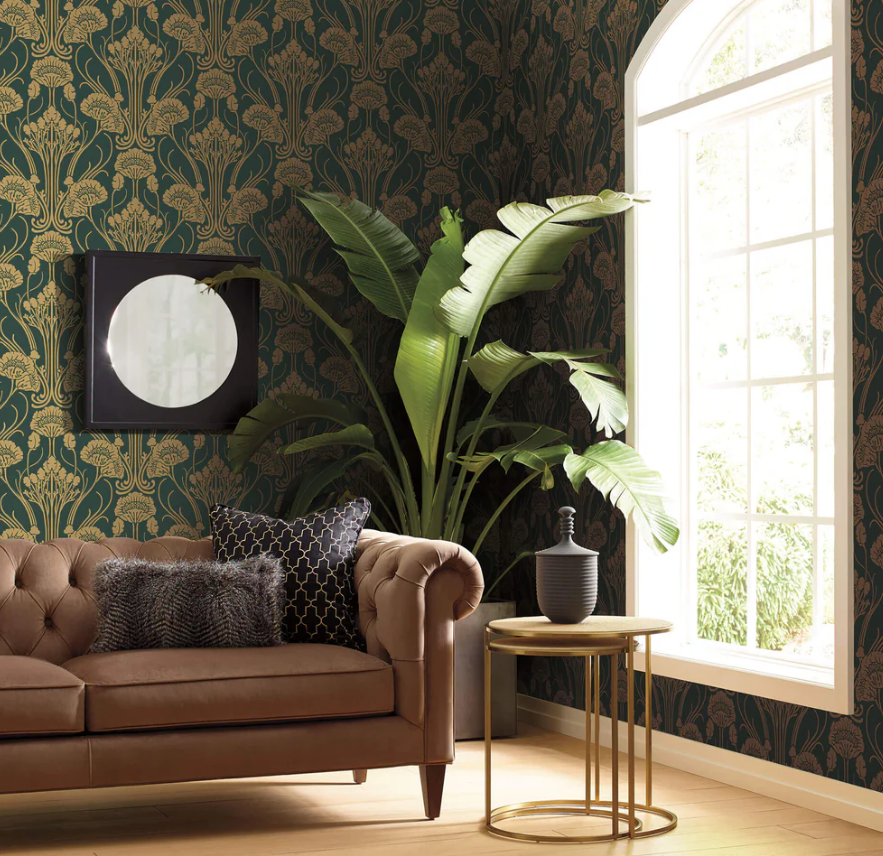
Antonina Vella Deco Nouveau Damask Wallpaper
US Wall Decor
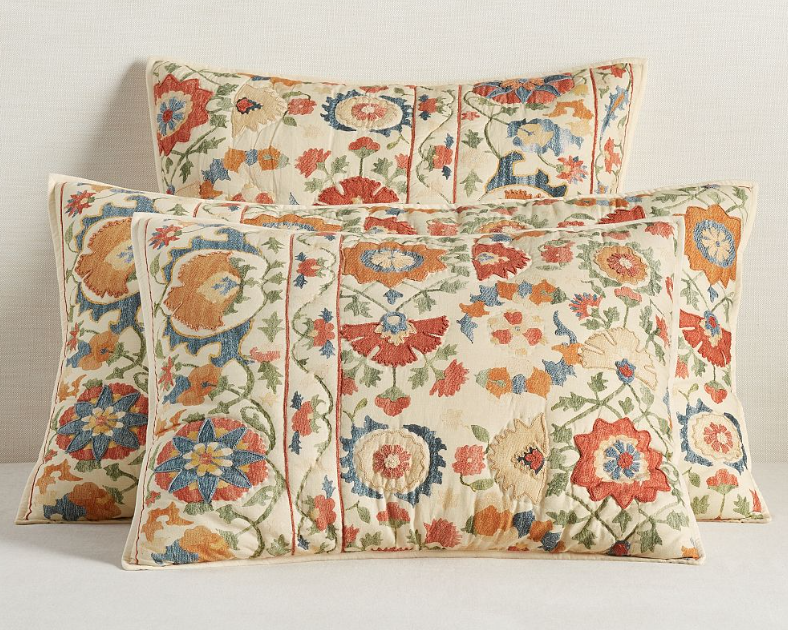
Penelope Handcrafted Quilted Sham
Pottery Barn
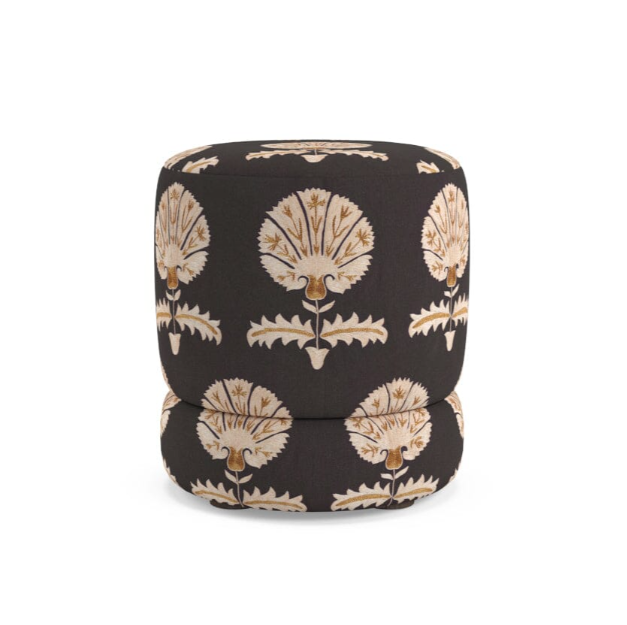
Black Daisy Suzani Nico Small Ottoman
St. Frank
How to Nail the Look
The aesthetic of folk nouveau dovetails with a larger paradigm shift away from austere minimalism toward warmer, layered, more expressive interiors. Expect to see more color-drenched rooms, handcrafted finishes, and furniture that feels like it was made, not manufactured. Jewel tones and metallics add glamour, while natural wood and homespun fabrics bring a rooted feel. Tactile surfaces like appliqué, embroidery, and raw woodgrain are essential in this style too. Here’s how to bring the conversation to life:
- Start with curves.
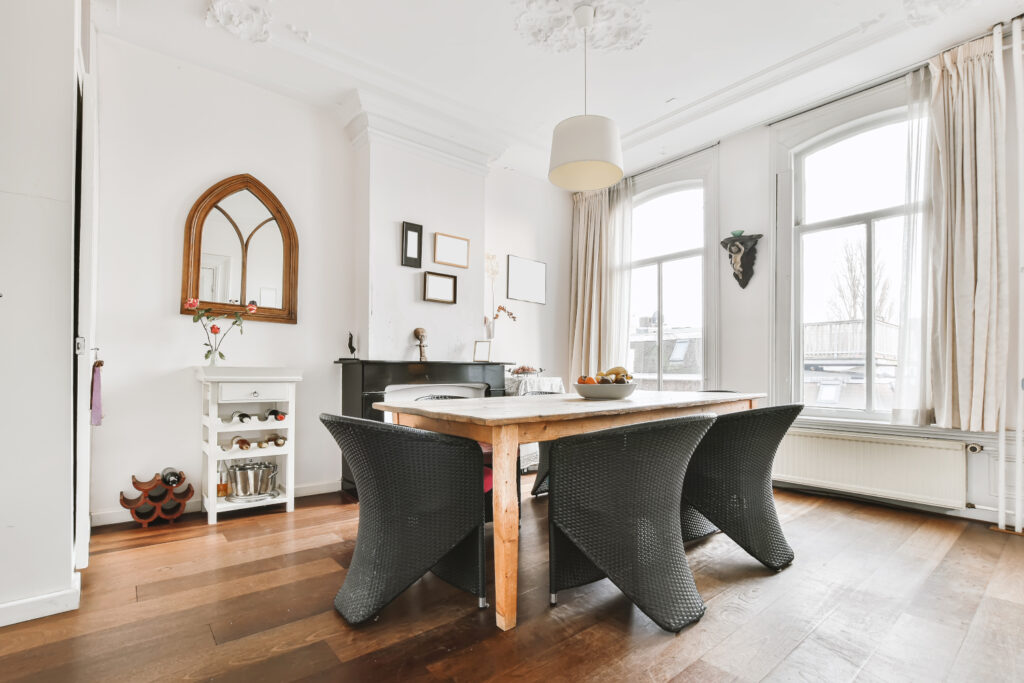
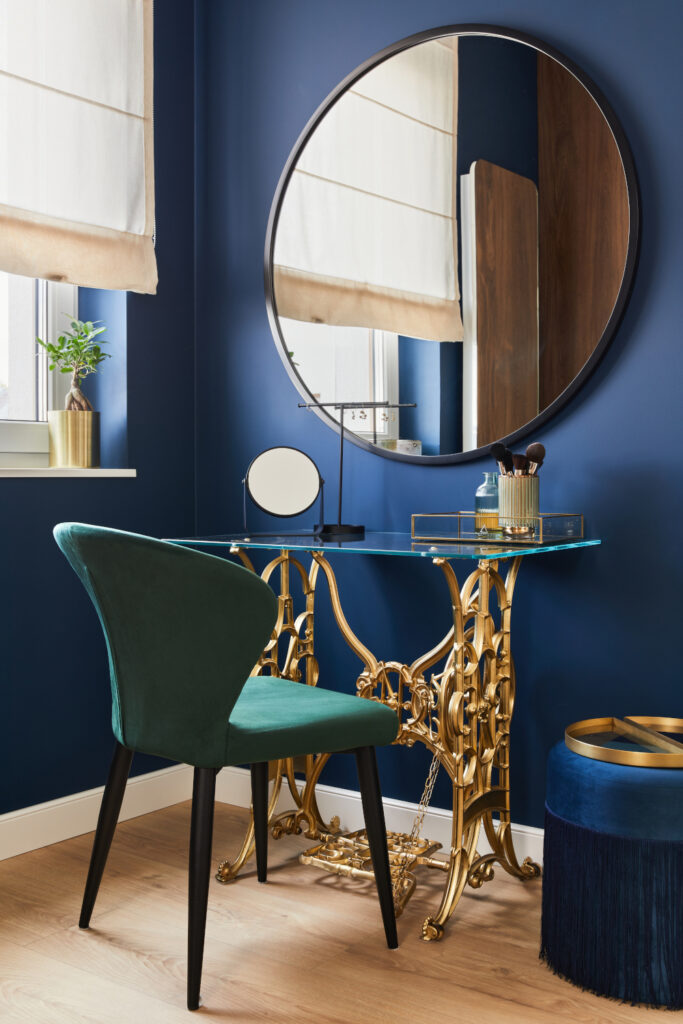
Opt for flowing silhouettes in everything from mirrors to millwork. Nouveau curves are gentler than Deco’s angles but still assertive enough to shape the visual rhythm of a space. Look for curvaceous forms in headboards, custom joinery, light fixtures, and even stair railings. Repetition of these curves across multiple elements will create cohesion and softness.
- Layer folk motifs thoughtfully.
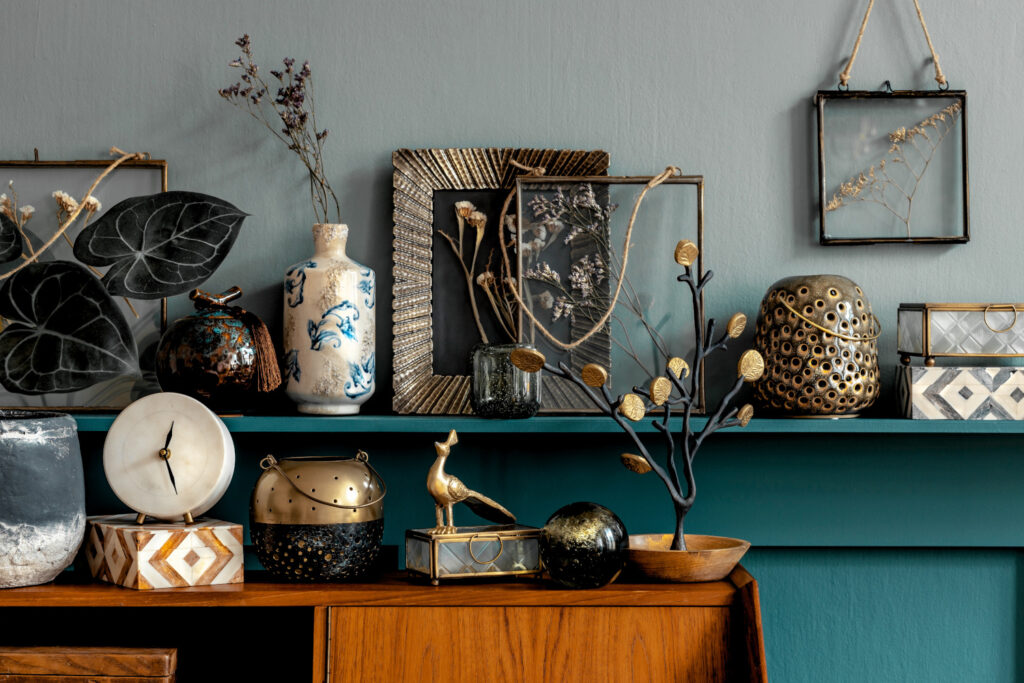
Introduce hand-painted cabinets, patterned tapestries, or a mural with story-driven imagery. Reference specific craft traditions, like Hungarian floral embroidery or Swedish rosemaling, for motifs that carry narrative weight. Use restraint when layering. Two or three high-impact pieces are more powerful than a room overwhelmed by print.
- Use color with purpose.
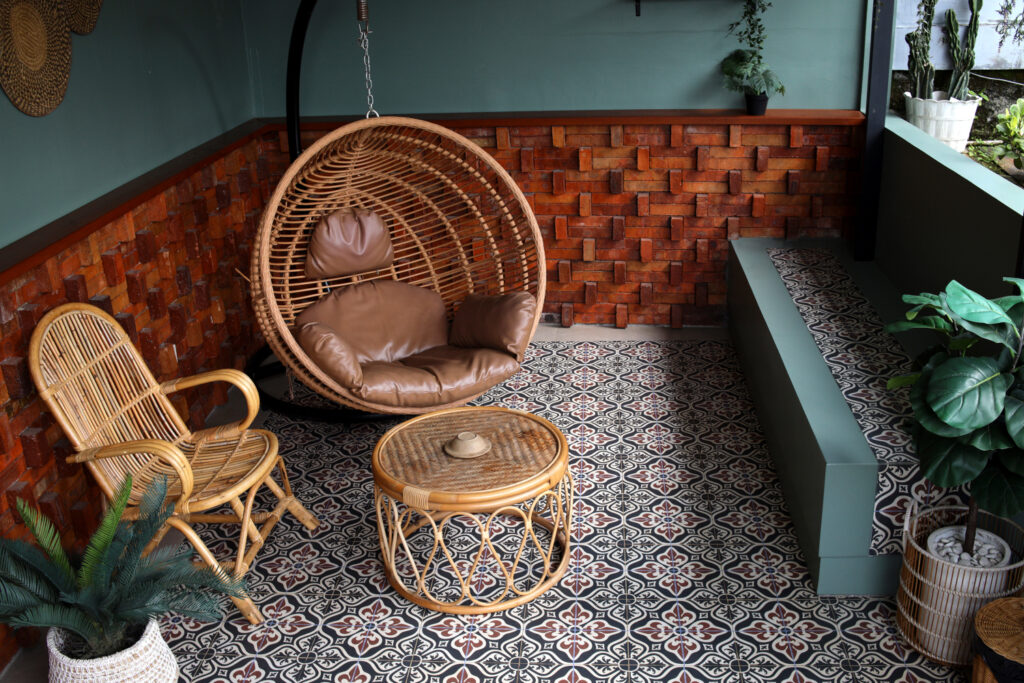
Folk nouveau isn’t shy. Work with earthy brights and jewel tones — mustard, coral, forest green, ultramarine, oxblood, and ochre — but balance them with neutrals or natural materials to avoid overload. Saturate walls or ceilings to create an immersive, color-drenched atmosphere, then punctuate with color-blocked upholstery, rugs, or art.
- Mix old and new.
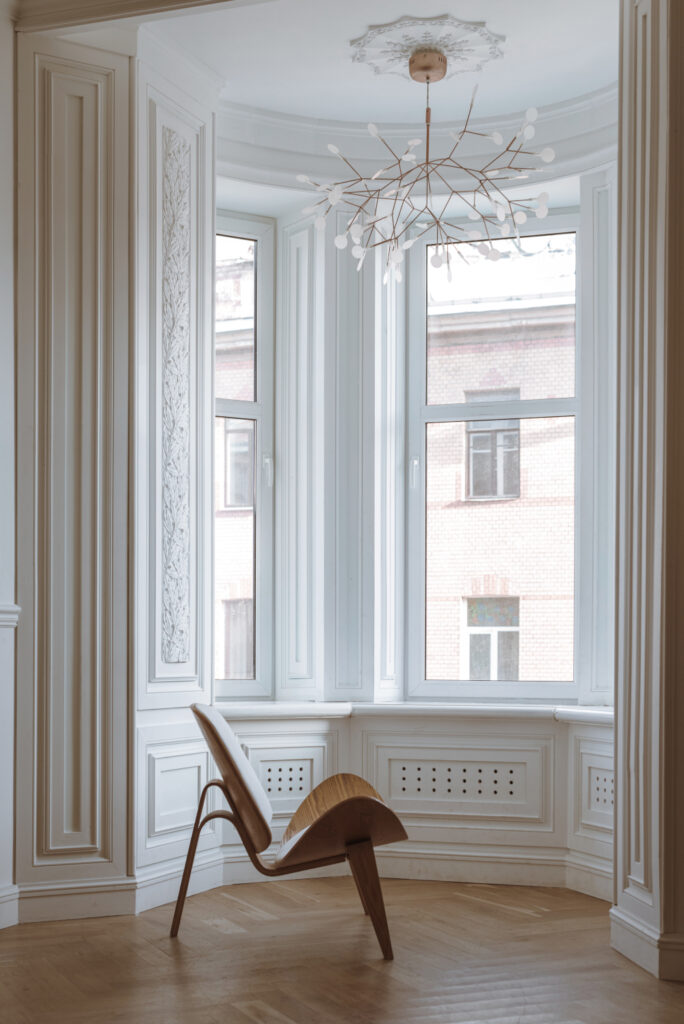
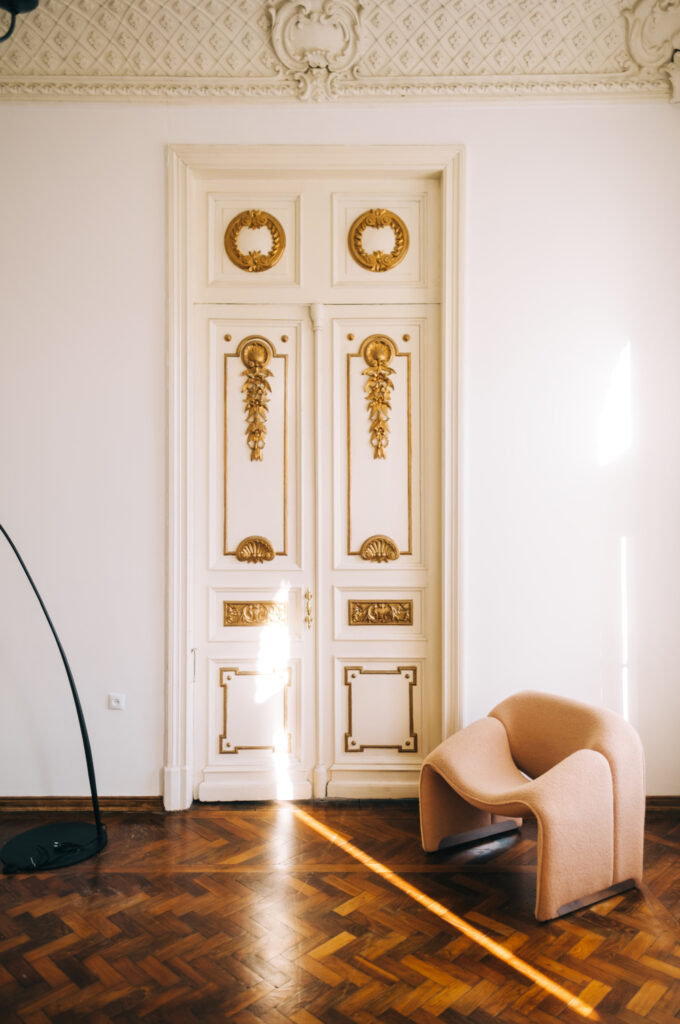
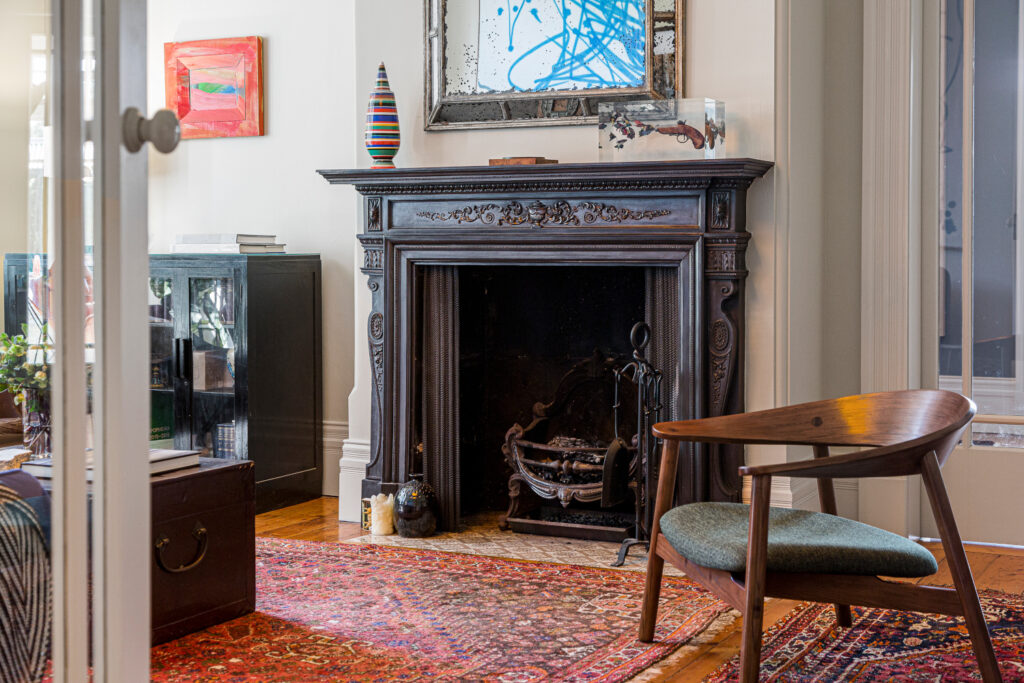
Resist the urge to go fully vintage. The magic of the style lies in its contrast. Pair a carved folk-style chest with contemporary sculpture, or let a nouveau light fixture hang over a minimal concrete table. These juxtapositions prevent the space from feeling overly themed.
- Tell your client’s story.
Folk design is inherently personal, and every folk nouveau interior should have a narrative thread. Encourage clients to display heirlooms or objects tied to place or heritage. Commission local makers for custom pieces that embed their story into the space. Even abstracted folk motifs, like a custom rug pattern inspired by a family quilt, can deepen the emotional resonance.
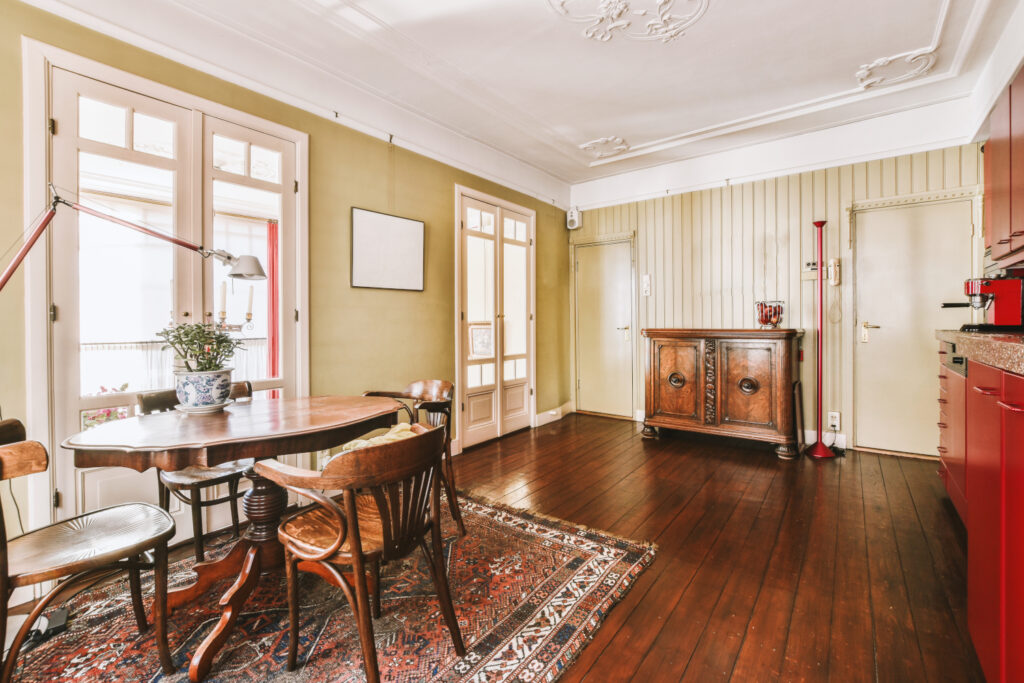
Designers and clients alike are seeking spaces that feel grounded, meaningful, and creatively liberating. Folk nouveau is a direct response to this appetite, offering you a chance to dig deep into materiality, symbolism, and emotional impact. Folk nouveau is a style that rewards curiosity and encourages thoughtful curation. Whether you’re sourcing vintage Eastern European embroidery, commissioning a local muralist, or curating a custom palette of sapphire and clay, this merging of style invites you to think like a storyteller.
SOURCES: Homes & Gardens, Chairish, The World of Interiors, House Beautiful, Dengarden