Interior designers are being called on to reshape the workplace into something radically different from the sterile cubicle farms of the past. In our new era of RTO and hybrid work, the office must now compete with the comfort of home, the convenience of coworking, and the connection of community and third spaces. To succeed, workplace design must embrace a hospitality mindset, something the best hotels, cafes, and clubs have perfected for decades.
This week, Interior Design 411 explores why your next workplace design should feel more like a boutique hotel, plus some ideas to get you inspired for your next project.
Rethinking the Office Pull
The return-to-office era has us rethinking motivation, with the most successful workplace designs today leveraging emotional resonance, not just functional need. That means designing spaces that foster connection, joy, spontaneity, and even indulgence. The new goal is to earn the commute.
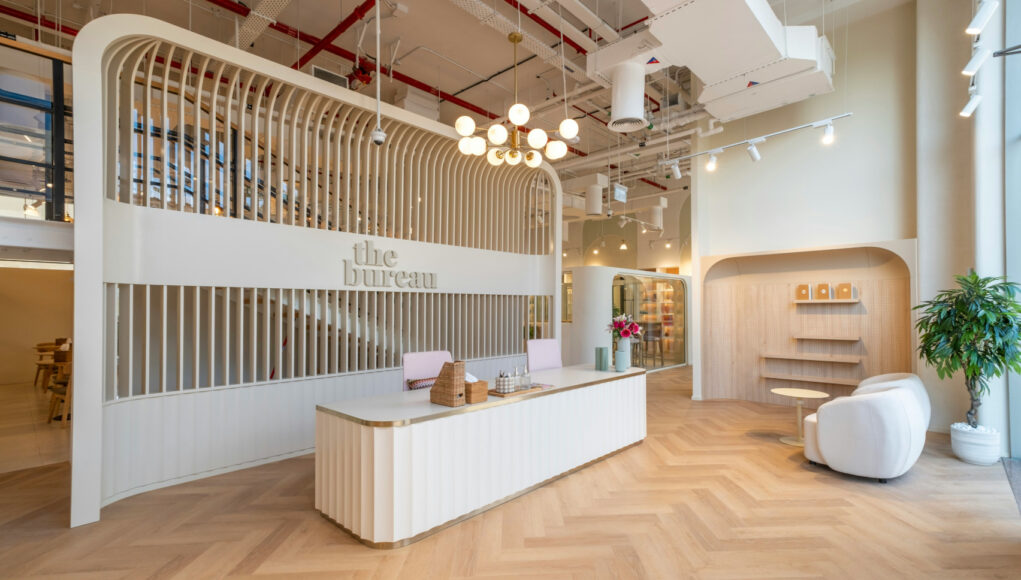
Start with the guest journey. Every detail, from signage to lighting to concierge-style reception, needs to create a welcoming narrative. Look to hospitality as a prime example. Anticipate needs before they arise and build intuitive experiences throughout for every user journey.
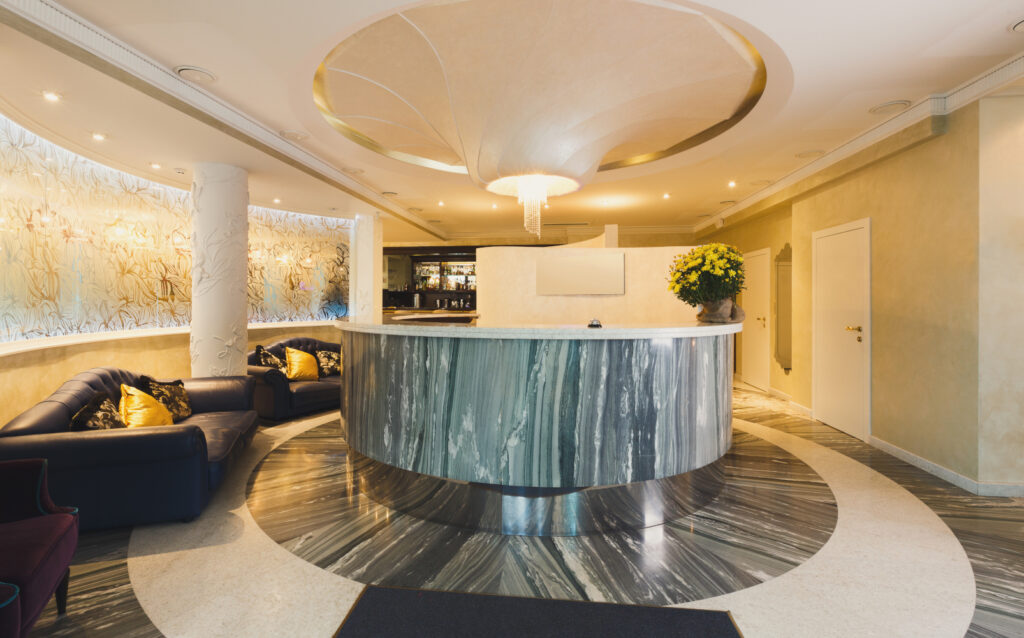
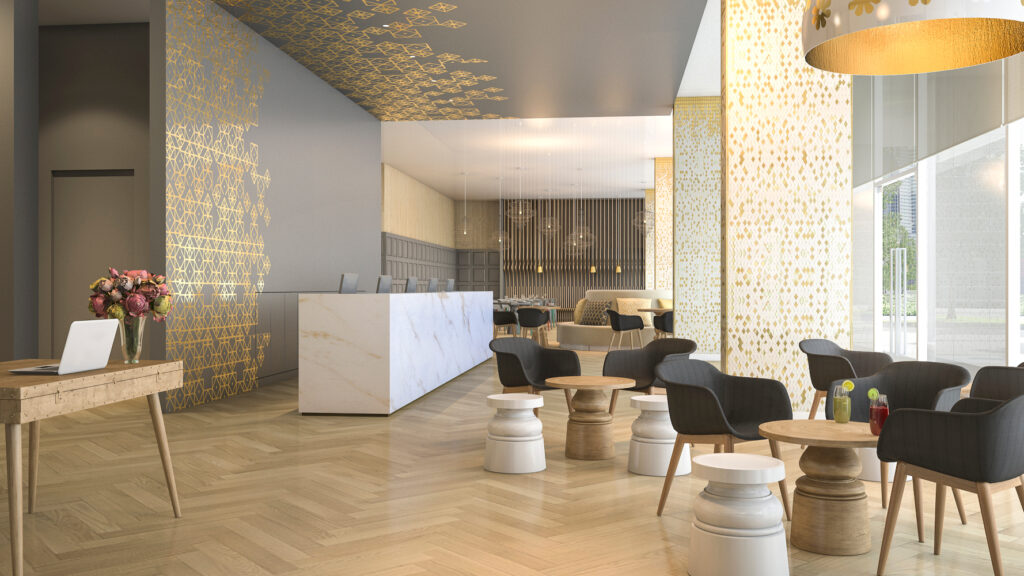
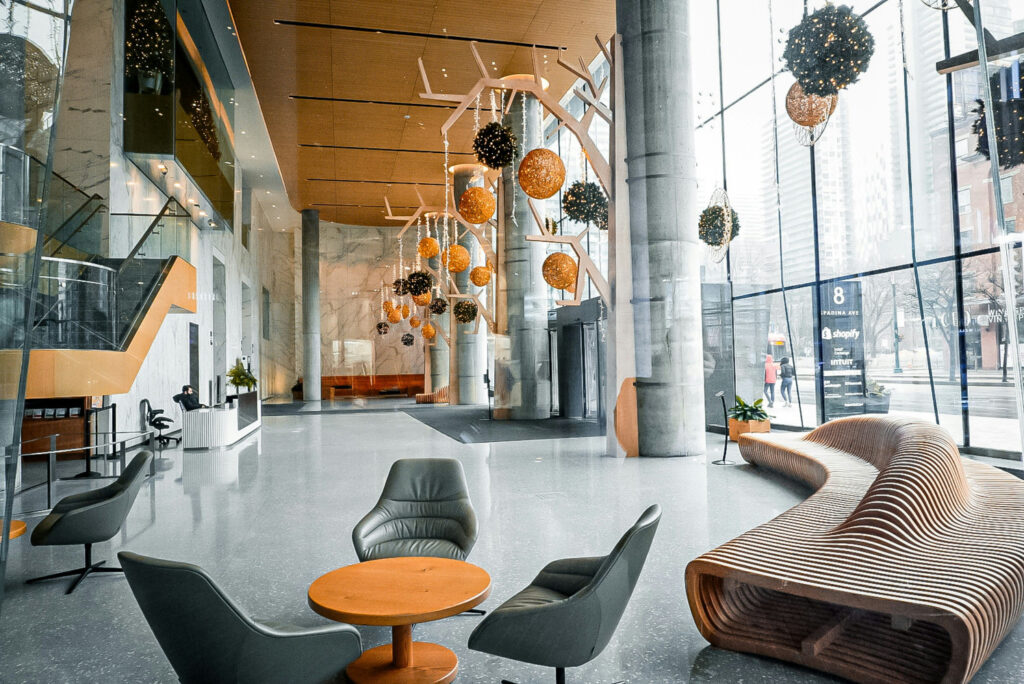
Creating a workplace that feels like a destination starts with spatial sequencing. Design the flow to mirror the boutique hotel experience guiding people intuitively through the space. Wayfinding should go beyond signs with layered materials, nuanced lighting, and subtle color shifts to orient and engage users without overwhelming them. To deepen the sensory experience, you can even incorporate scent and soundscaping. A light, branded fragrance or curated ambient soundtrack can transform arrival moments into something memorable and immersive. (After all, in today’s neurodiverse world, designing for all the senses is the new standard.)
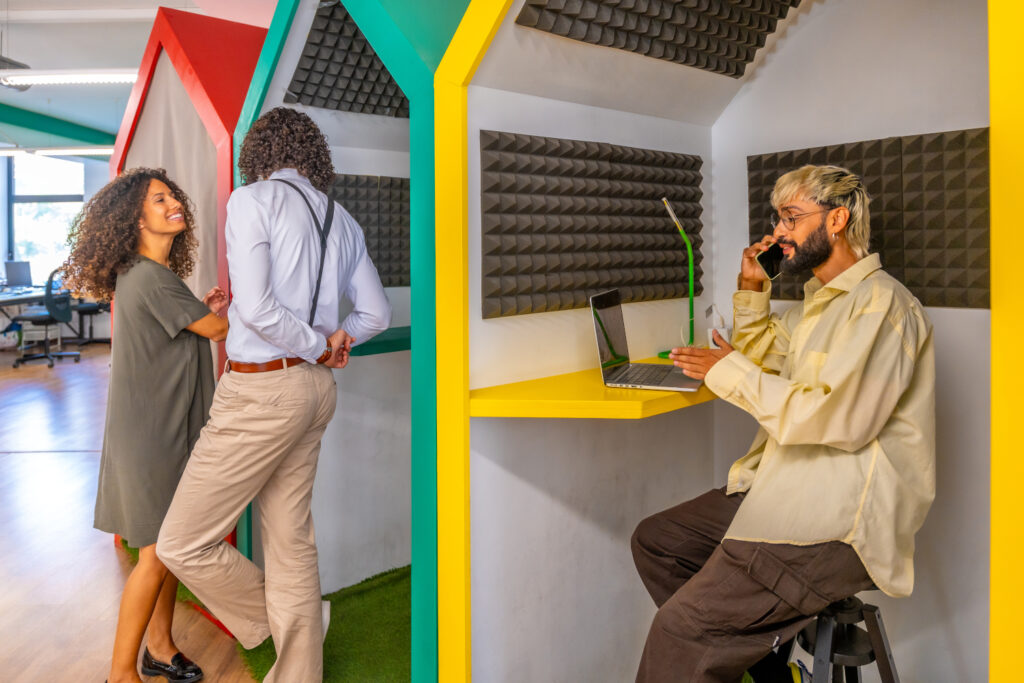
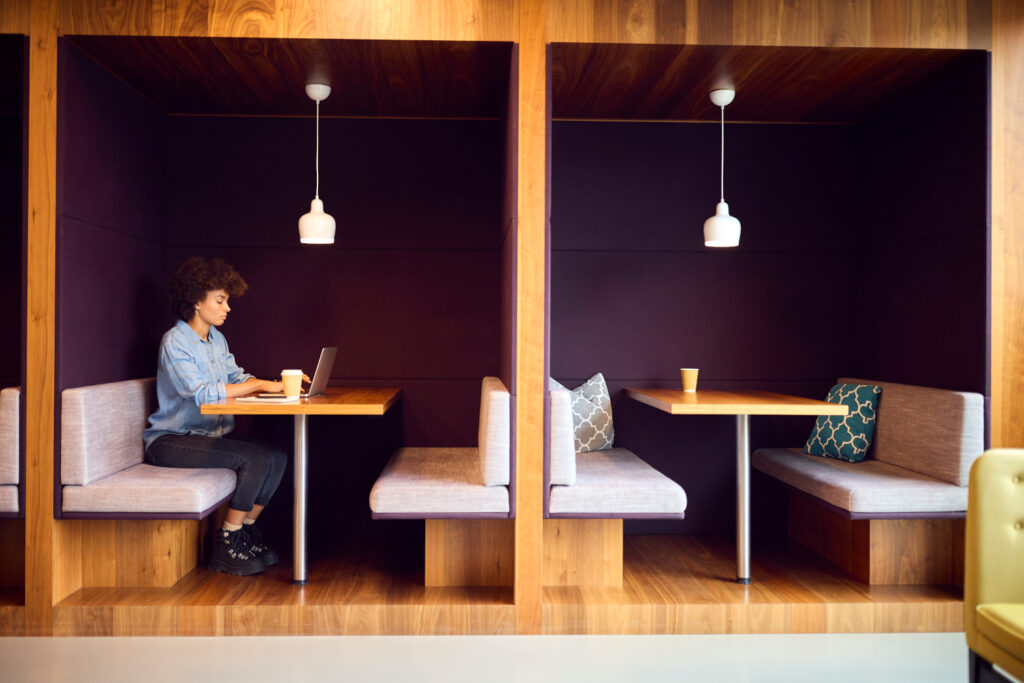
Design in zones that replicate the feel and function of different third places, such as a library-like focus area for deep work, a clubhouse-style lounge for informal connection, or a café setting for social moments and solo breaks. These spatial archetypes resonate because they mirror environments where people want to be, not where they’re told to go. The goal is to layer experiences that make office presence feel like a choice instead of a chore.
Culinary Programming as a Design Layer
Food can be a community builder, a cultural signifier, and a daily wellness tool. Don’t forget to design with it in mind. Chef-led cooking classes, culturally inspired menus, and open kitchens can be the foundation of a tight-knit work culture, turning passive users into active participants in their workplace ecosystem.
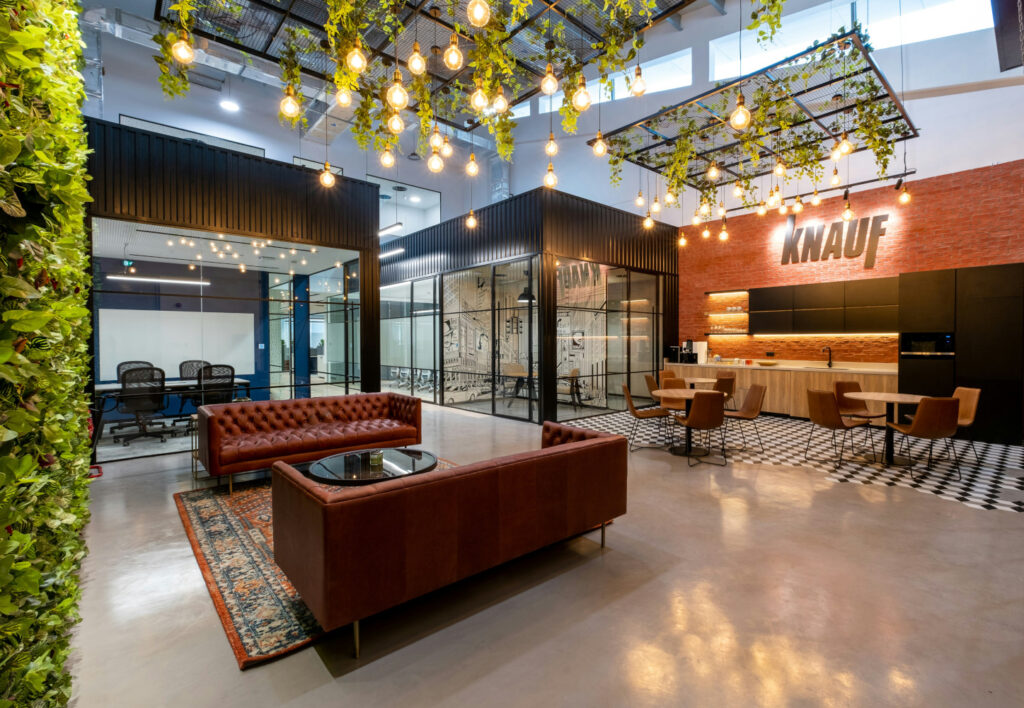
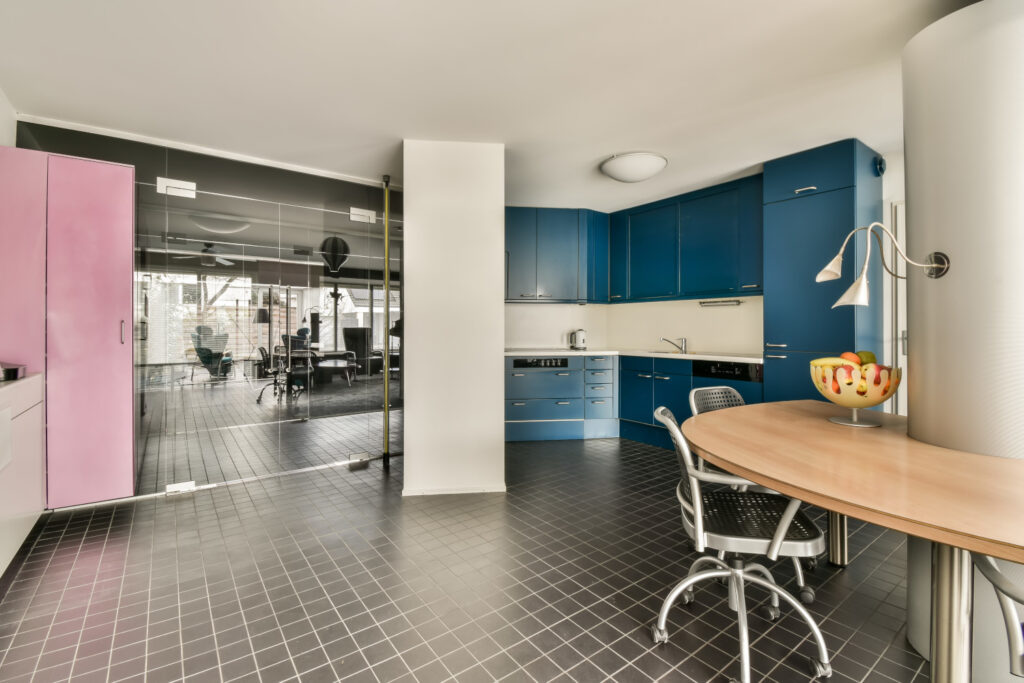
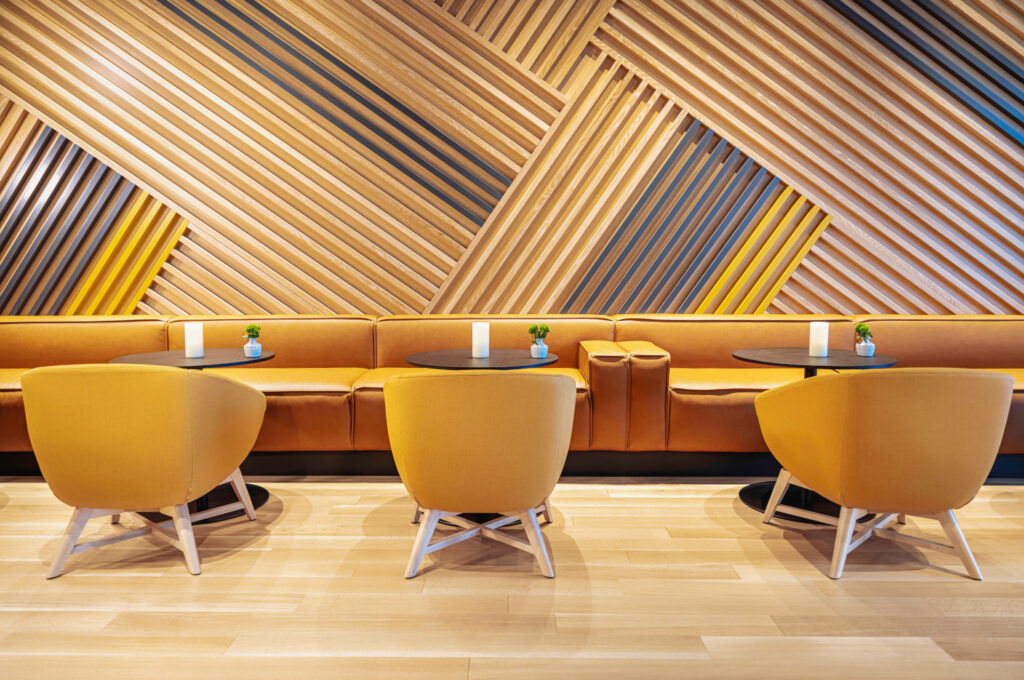
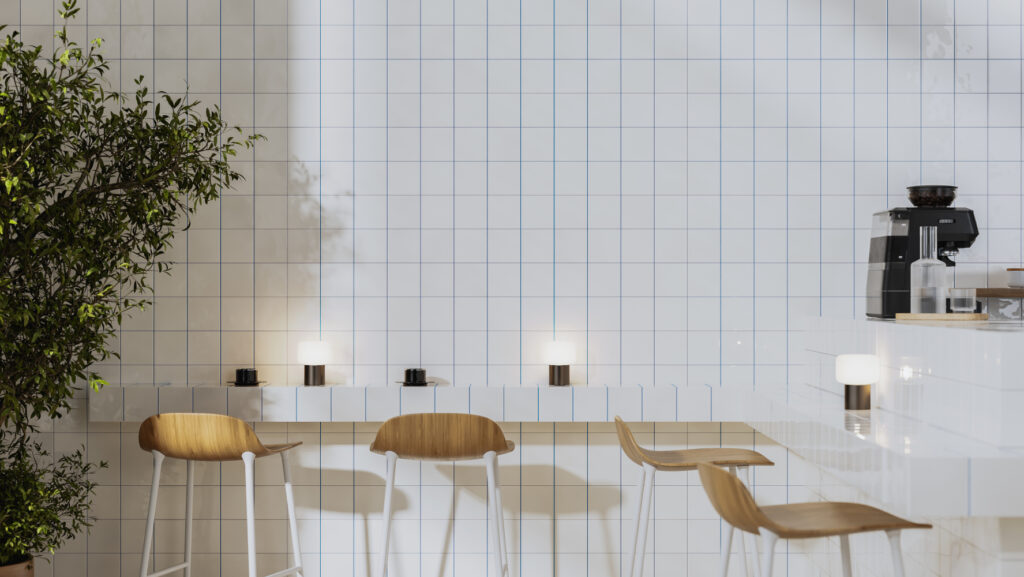
To design food programs that truly build culture, it starts with the setup. Open kitchens with integrated AV make it easy to host chef demos, cooking classes, or community-building events. Finishes should be selected not only for durability but also for how they encourage casual gathering. Think tactile surfaces, warm tones, and acoustically friendly materials for these spaces. And to ensure a seamless experience, collaborate with food and beverage vendors early in the design process. Their input can shape everything from utility placement to workflow alignment, preventing costly retrofits later on.
Prioritizing Guest-Centric Design
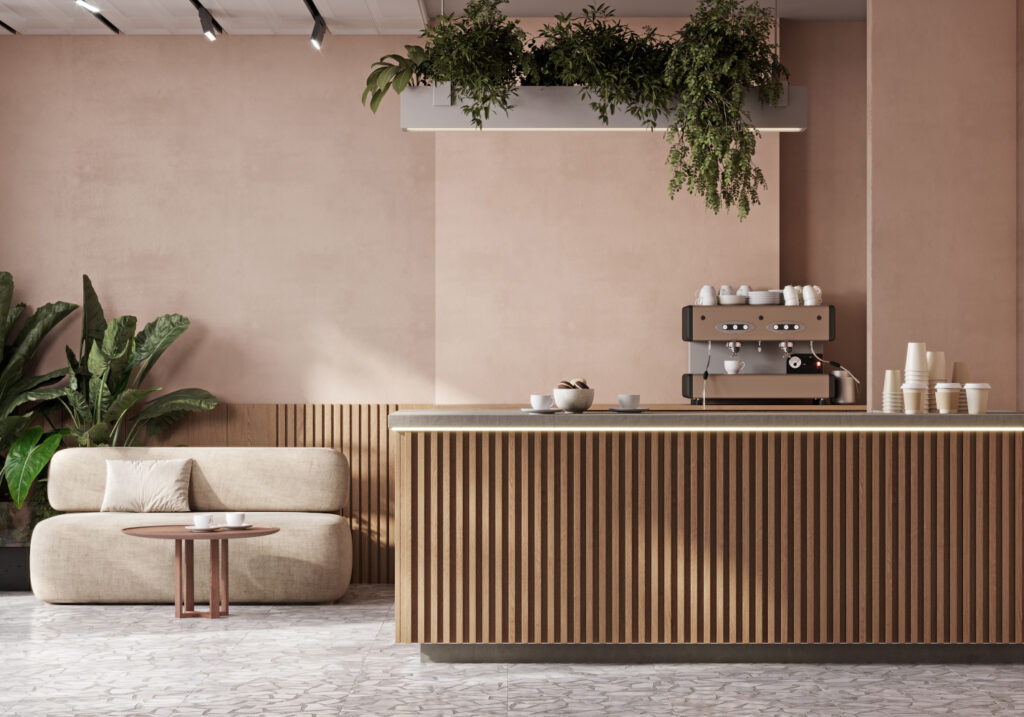
Warmth should be an operational imperative in today’s workplace. Comfort, support, and delight must be engineered into every interaction. Ancillary furniture choices should prioritize flexibility and comfort without sacrificing visual interest. Lighting design must create zones of intimacy, energy, and focus throughout the day. Social hubs, tech lounges, and even concierge services must be designed with intentionality, not as afterthoughts.
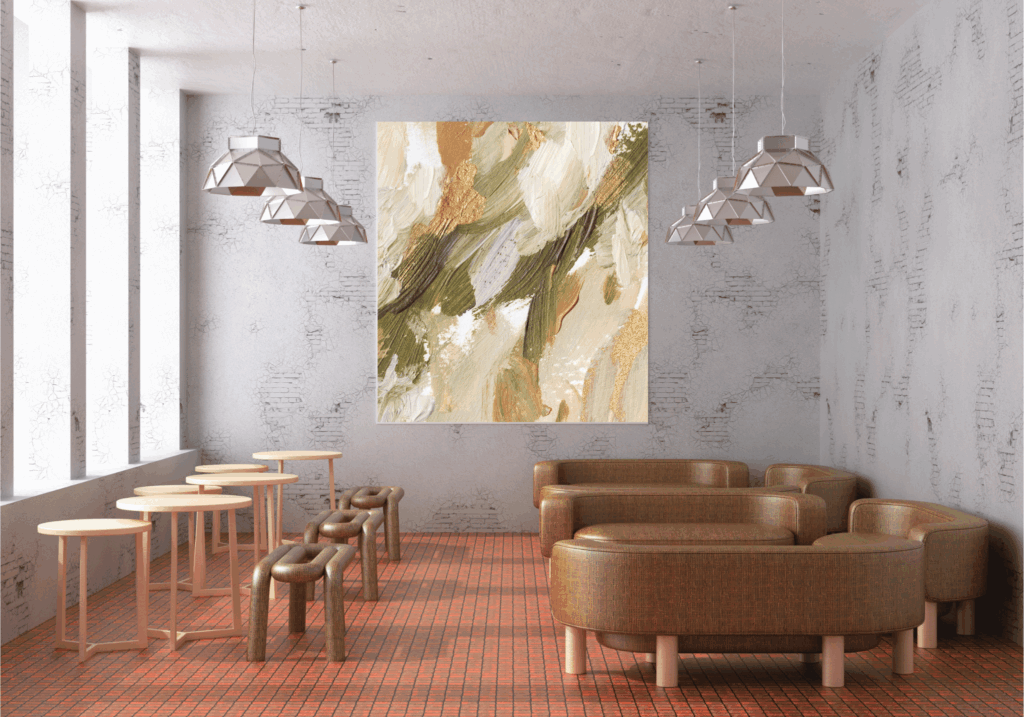
Add to that thoughtful tech integration. Seamless connectivity, access to power, real-time translations, and intuitive room booking systems matter more than ever. AI can enhance this further with automated task capture, intelligent summaries, and adaptive environmental controls that help your end users work smarter, not harder.
Prototyping the Modern Workplace
The post-pandemic realities of life in a return-to-office world have necessitated spaces that are designed to both evolve and keep us connected. Hammock lounges, podcast studios, library zones, pet-friendly spaces are no longer fringe ideas. These additions can be viable workplace modules that can support diverse work styles and mental states. Flexibility in furniture, layout, and use of the space is essential for great design today.
Tech campuses popularized the concept of “collisions per minute,” a proxy for how often spontaneous encounters happen, and the best third places excel at this. Design for unplanned collaboration by including shared seating areas between departments, coffee bars near work zones, and walkable loops that encourage mingling. These intentional design decisions generate the kind of serendipity that can fuel innovation and build team cohesion.
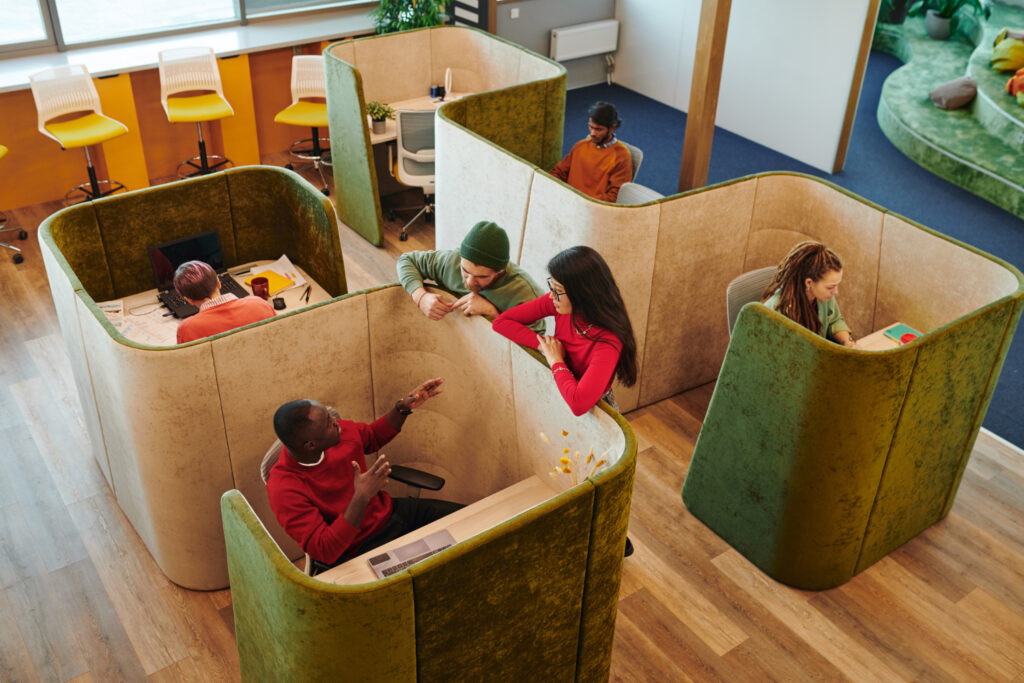
Start seeing the workplace as an evolving prototype over a finished product. Observe, adapt, and refine while encouraging feedback loops that reflect what people are actually doing and their real user journeys, not just what leadership thinks they want.
Designing for Work-Life Balance
Hybrid work isn’t just about location or flexibility. It’s really about life integration. Designers are now expected to create environments that account for the full spectrum of daily human needs, not just productivity. This can mean adding service lockers for dry cleaning or meal kit delivery, pet care stations, or on-site amenities that ease daily burdens. For companies with a mobile or global workforce, designing spaces for cultural onboarding, like lounges that showcase local art or multilingual welcome signage, can ease transitions and build belonging.
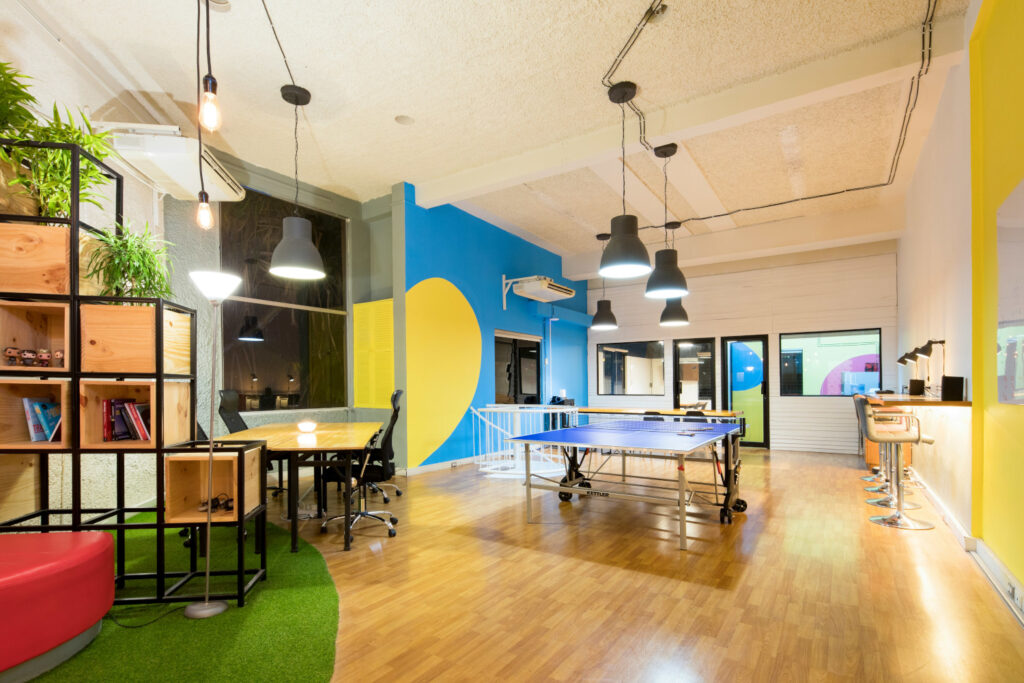
From a layout perspective, these services need thoughtful adjacency planning, such as drop-off points near entries, private alcoves for wellness rooms, or shared amenity hubs that consolidate lifestyle support features. Consider how traffic flows interact with these touchpoints and how branding can make them feel cohesive rather than commercial. Done well, these elements reinforce the message that employees are valued beyond their output. In turn, for your clients, they could also drive higher engagement, longer tenure, and deeper emotional connection from their employees.
Earning the Commute
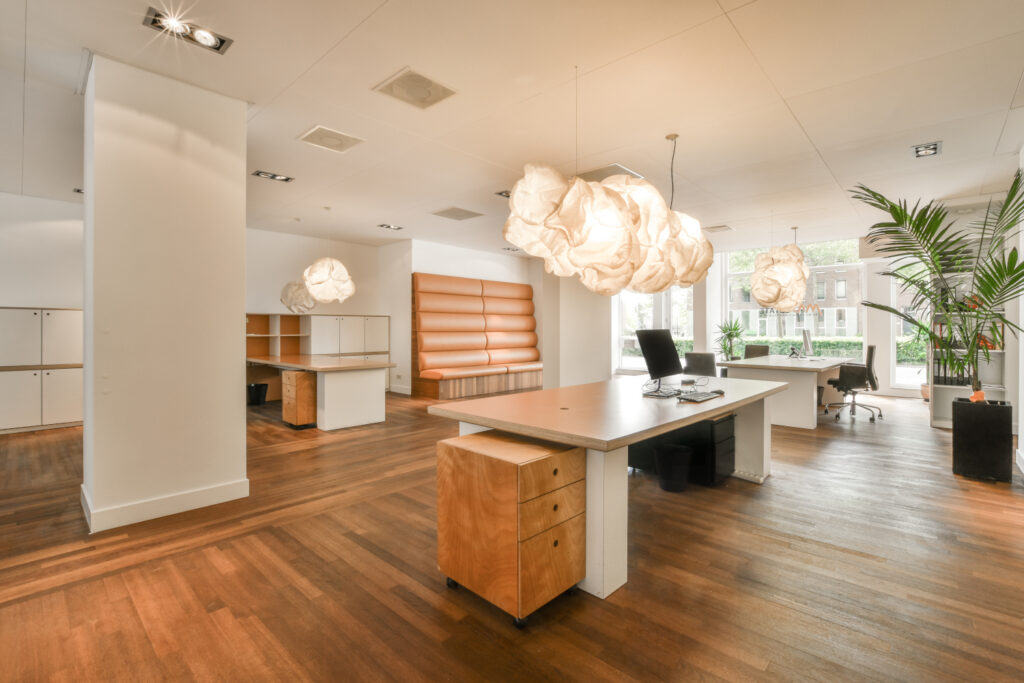
To stay competitive in workplace design, you need to think like a host, not just a planner. Approach every design decision through the lens of how it makes someone feel, not just how it functions. Every texture, service, and layout choice sends a message. Make sure yours says: This is a place where people belong, where they thrive, and, most importantly, where they want to be.
To support that approach, consider updating your design brief templates with hospitality-oriented prompts. Questions like “What’s your ideal guest journey from door to desk?” or “How should the workplace reflect your brand’s culture of care?” can surface insights that shape exceptional design that delivers exceptional experiences. That’s the new benchmark. And that’s how you, and your clients, will earn the commute.
SOURCES: Work Design Magazine, Urban Land, Arch Daily