As mass production and digital replication dominate, a return to the human hand is happening in the design world. Clients are craving interiors that feel alive, imperfect, personal. And at Interior Design 411, we’re seeing the clearest signal of this through a folksy rising trend. Yes, tattooed furniture is having a moment. And if you want to infuse some more originality into your projects, create emotional resonance, and position yourself ahead of the retail design curve, this is a movement worth watching — or using in your next design. Let’s take a closer look at this unique trend, plus how to source the right folk-art piece for perfectly imperfect interiors.
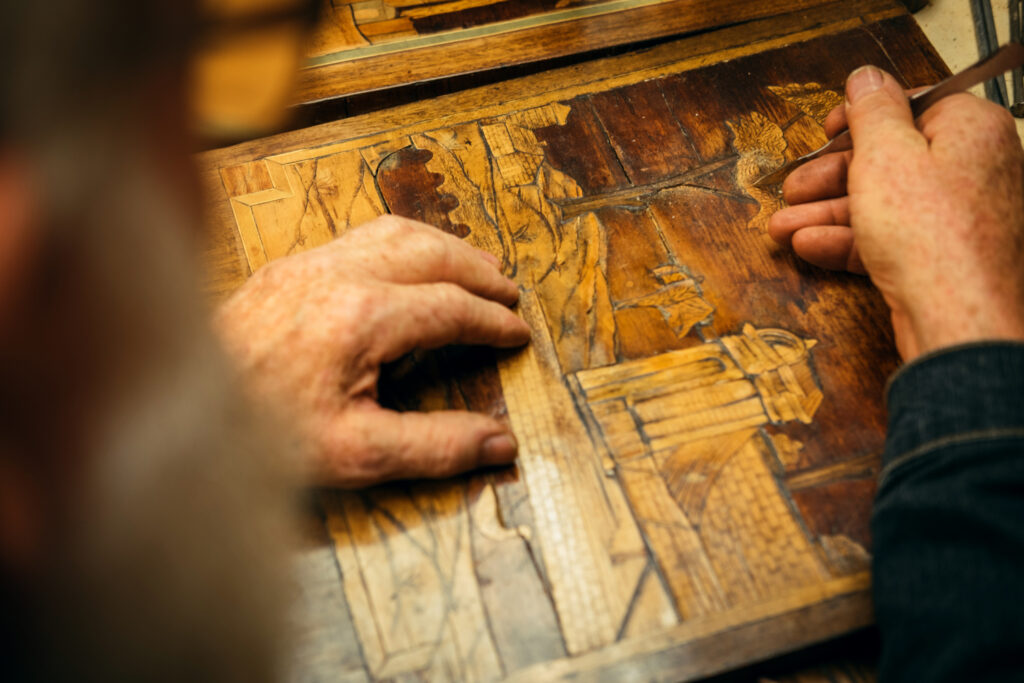
The Comeback of Craft and Character
Furniture is transforming into personal canvas. “Tattooed,” or hand-painted, embroidered, engraved, furniture injects maximalist flair and bespoke spirit into any room. These pieces channel primal desires to connect, to preserve, and to decorate not for aesthetic alone but for memory, meaning, and identity.
From the antique marriage cupboards of Central Europe to contemporary one-off commissions for celebrities, designers are embracing furniture as narrative object meant to be seen, touched, and remembered. The echo of centuries-old crafts is loud in this trend, from medieval cassoni, Swedish kurbits painting, Otomi-like motifs, and 18th-century decorative traditions. The trend is artisanal, emotional, and downright human.
Practical Ways to Incorporate It
1. Collaborate With Artisans and Craftspeople
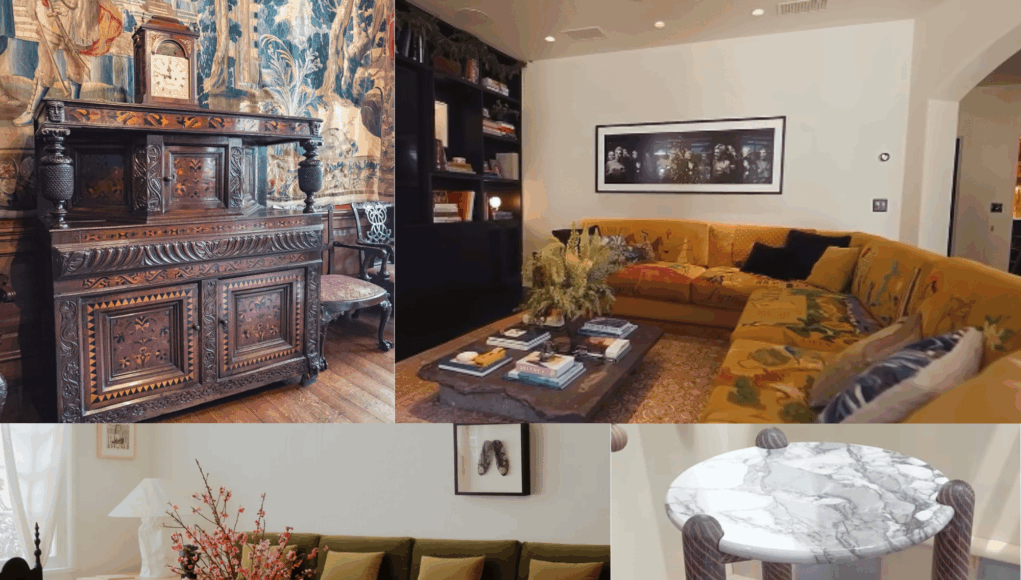
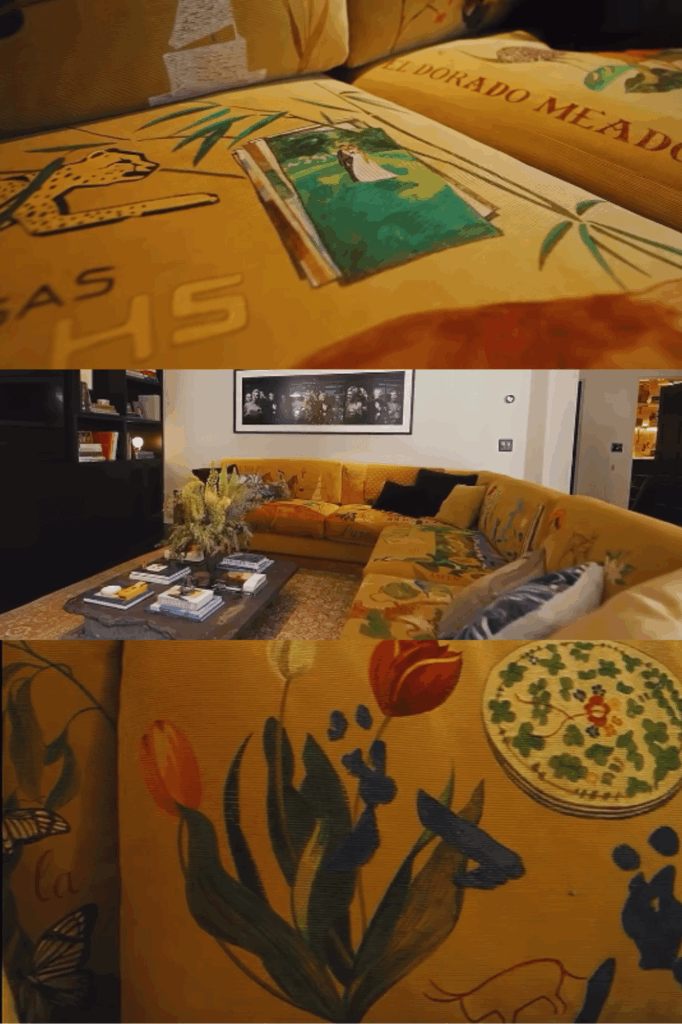
Connect with local or heritage craftspeople like embroiderers, painters, and leatherworkers. Think Bode and Green River Project’s mustard yellow sofa for Kendall Jenner, embroidered with hand-drawn illustrations of deeply personal motifs to the star, or the embroidered ottomans in this LA home of Studio MUKA founders.
Start small with wardrobes, credenzas, or even a single side table. Allow the artist’s hand to shine. It builds trust, offers storytelling points, and positions your studio as curator of unique pieces that bake OOAK meaning into the everyday.
2. Offer Bespoke Options With Built-In Operational Clarity
Introduce a “tattoo-finish” upgrade tier within your services to make this trend an intentional, billable offering rather than an ad-hoc request. Choose a theme or motif (floral, personal iconography, folk pattern), choose surface (wood, leather, upholstery), and agree on rough scale and timeline. Highlight that hand-finished work requires planning, patience, and premium pricing. Position it as an heirloom-level investment that elevates not just the furniture piece but the emotional weight of the entire room.
Consider offering tiered pricing based on complexity (think a single-panel motif versus a fully wrapped surface) and provide visual mood boards or small sample swatches so clients can see the quality before committing. By structuring the process clearly, you make it easy for clients to say yes while reinforcing that they’re commissioning something rare and deeply personal, not just buying an off-the-rack extra destined for the landfill years down the line.
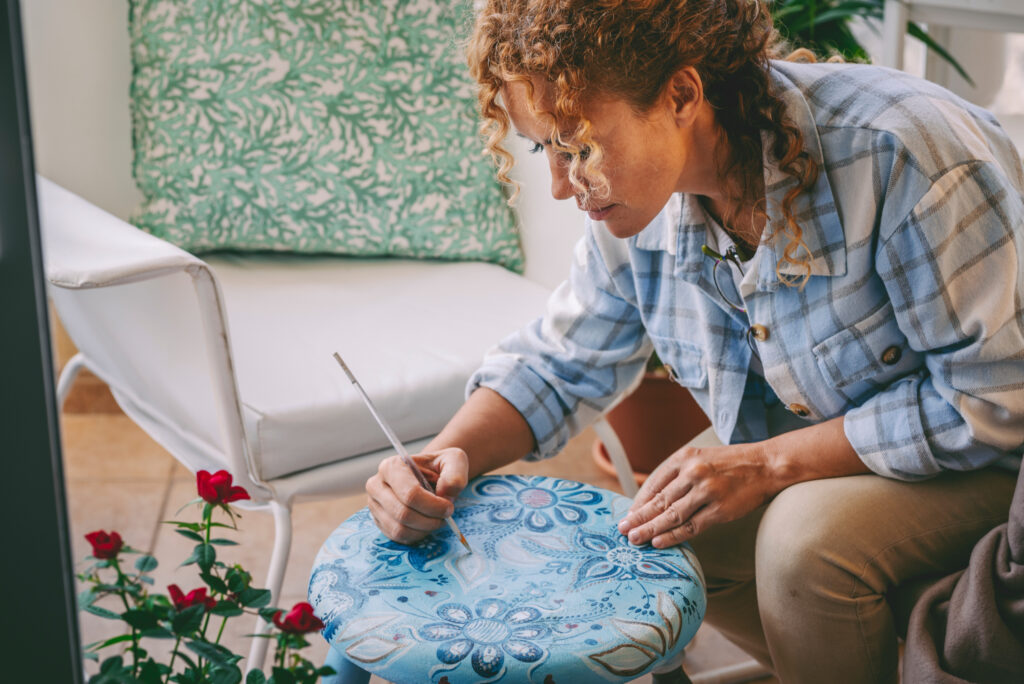
3. Source Ready-Made or DIY-Friendly Folk Statements
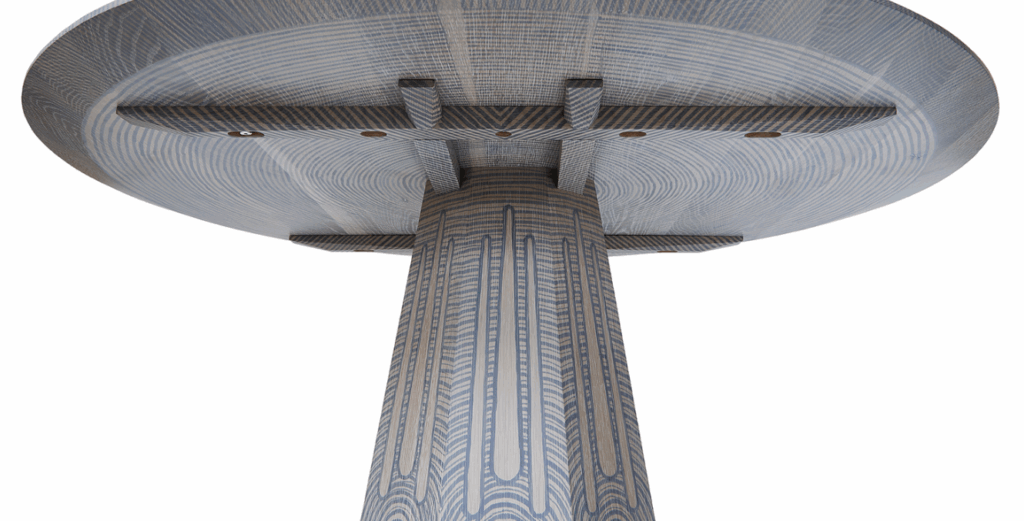
For budget-sensitive or eclectic projects, don’t overlook the ready-made market. Vintage and antique stores are often treasure troves for hand-painted or carved folk pieces, especially armoires, wardrobes, sideboards, and blanket chests with floral or symbolic motifs. Think kurbits, birds, vines, stylized tulips, or folkloric animals. We’re also seeing the tattoo trend crop up direct from artisans at major design events like NYCxDesign 2025. Designer Hamilton Holmes showcased this Oxalino tattoo finish in his booth at this year’s event, and we’re smitten.
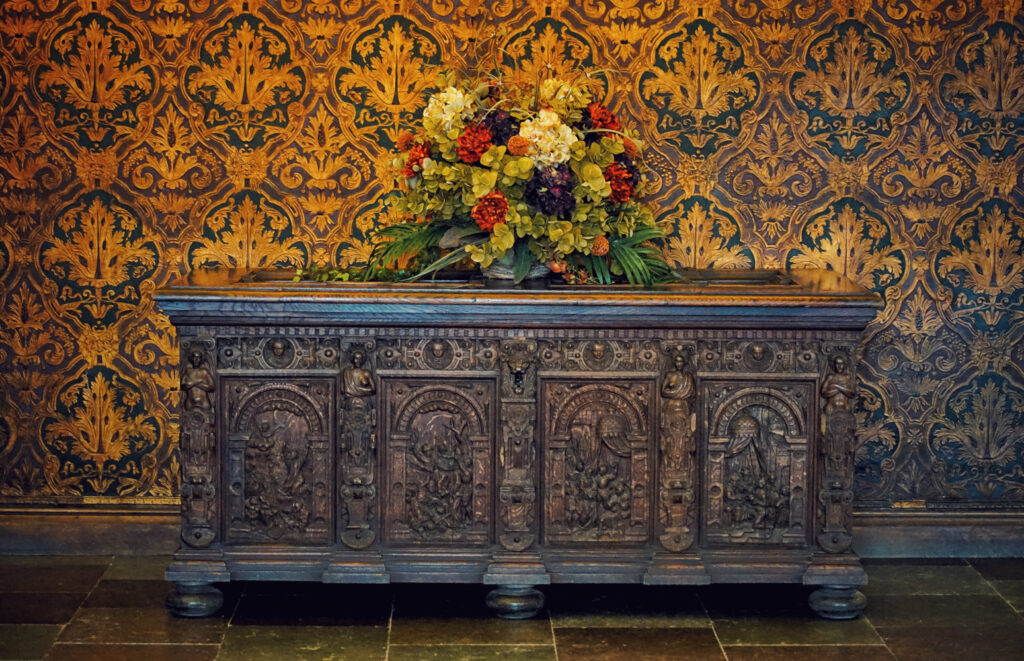
Online platforms like 1stDibs, Chairish, and Etsy also host small-batch makers and vintage dealers who specialize in folk styles, from Scandinavian to American primitive. If you’re curating a space for a younger or more trend-conscious client, affordable painted reproductions from larger retailers like Wayfair or IKEA can deliver the visual language without the custom price tag. And for ultra-lean budgets or DIY-minded clients already sold on the trend, consider a consultation-based upsell: Help them select a basic piece, then offer guidance on color palette, motif options, and preservation finishes. You’ll turn a simple furniture flip into a collaborative storytelling piece that still feels authored.
4. Use These Pieces as Anchor Moments
Don’t overdo it. Tattooed or folk-painted furniture should be intentional and rare, not scattered throughout a room. Their power lies in singularity. One well-placed credenza, a mural-backed chair, or a painted wardrobe can serve as the emotional focal point of a space. Everything else should quiet down to let that one piece speak.
In modern interiors, the juxtaposition is especially effective. Pair a floral folk-painted cabinet with steel lighting or minimalist lines. In historic homes, use these pieces to tie into existing architecture or motifs while adding a flash of personality. Placement matters. The foyer, bedroom corners, reading nooks, and kids’ rooms are particularly ripe spots for these storytelling objects to shine. Use them like art, and when staging for photography or editorial, lean in. Let these standout pieces center the frame.
5. Educate Clients on Longevity & Care
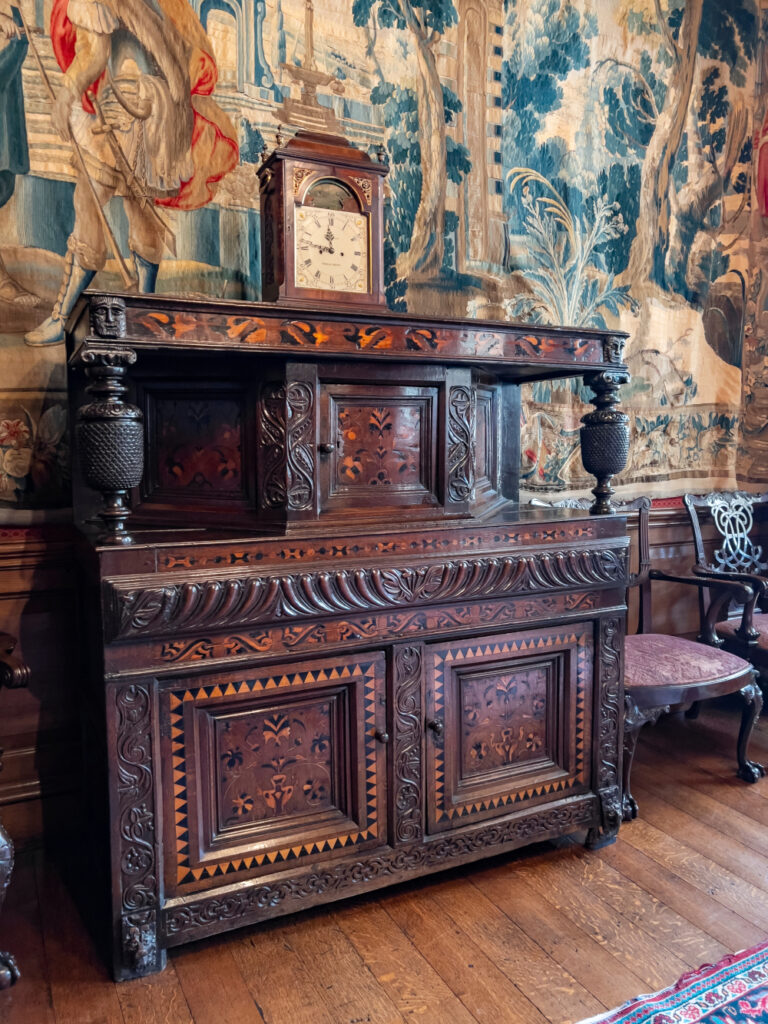
Tattooed furniture carries the value of the maker’s hand and, with that, a responsibility to maintain it properly. Walk clients through the care process yourself to ensure their sentimental investment stands the test of time. Hand-painted wood may require low-VOC sealants or wax coatings, especially if it’s in a high-touch zone like an entryway or dining space. Upholstered or embroidered pieces may benefit from periodic professional cleaning or fabric protectors.
Help clients understand how light exposure, humidity, and even air quality can affect the piece over time. Consider including care cards or aftercare instructions with these unique pieces, as this will only reinforce your role as a trusted advisor invested in the long-term life of the interior you’ve created.
Crafting a Legacy With Folk-Inspired Interiors
Tattooed and folk-art furniture can be a fun challenge to source as well as a strategic edge for your design business. Clients today increasingly want spaces that feel personal, and when the work is authentic, thoughtful, and rooted in technique, it becomes part of their story just as much as your own design story. Use this trend not to follow the crowd, but to build a collection of signature, expressive moments in your portfolio. When chosen well and integrated with intention, these pieces become living heirlooms that carry your design narrative forward for years to come.
SOURCES: Architectural Digest, Apartment Therapy