Three years after dopamine décor came onto the scene with its saturated hues and maximalist flair, the design world is asking: Was it a passing mood, or the start of something more? Despite some recent forecasts of its decline, this feel-good aesthetic has since matured into a nuanced design philosophy merging expressive joy with a grounded functionality. This week, Interior Design 411 unpacks how the dopamine décor trend has refined, what’s resonating with clients, and where it’s headed next.
Punctuated Joy
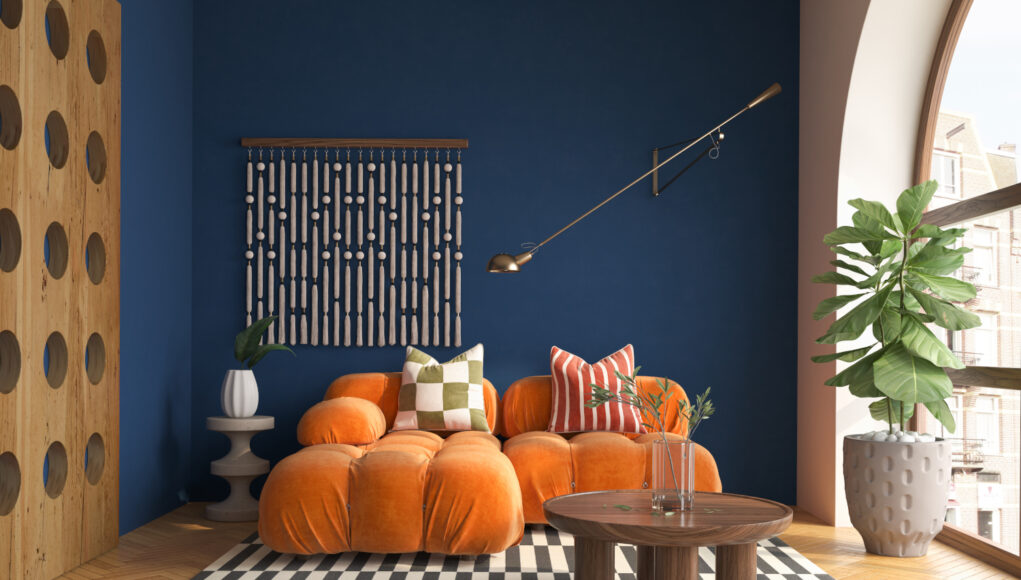
The return of warm neutrals and visual silence as antidotes to overstimulation isn’t so much a rejection of the dopamine trend as it is a reaction to the increasingly chaotic world around us. Clients do crave calm, but not at the cost of individuality. Today’s version uses dopamine elements as punctuation. Think saturated millwork, a bold, pattern-drenched sofa, or a cocooning velvet headboard in serene ocean blue.
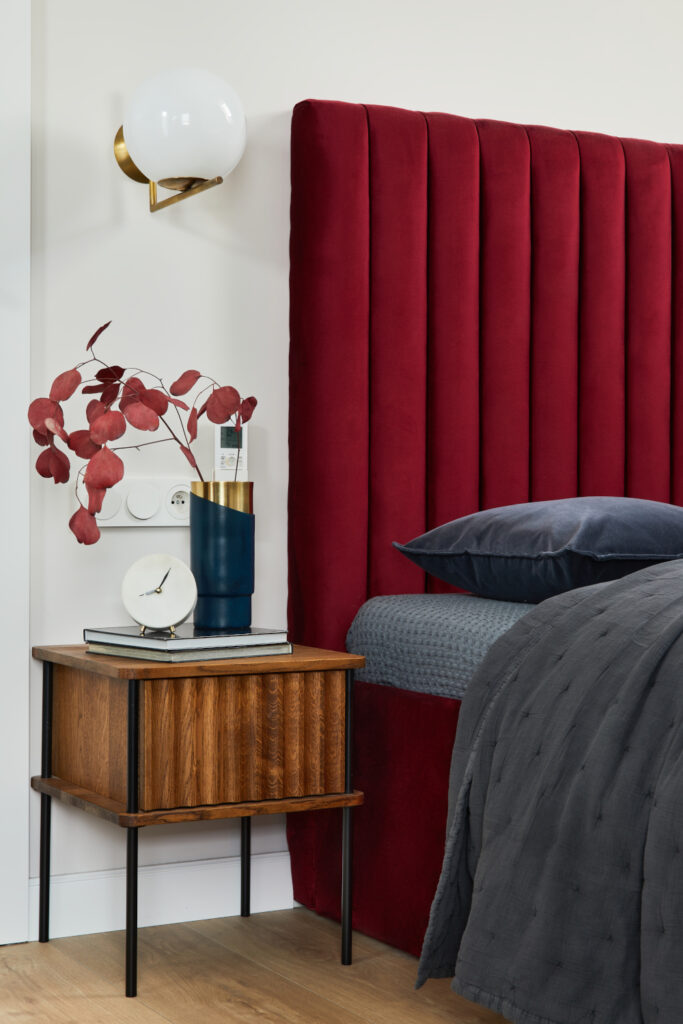
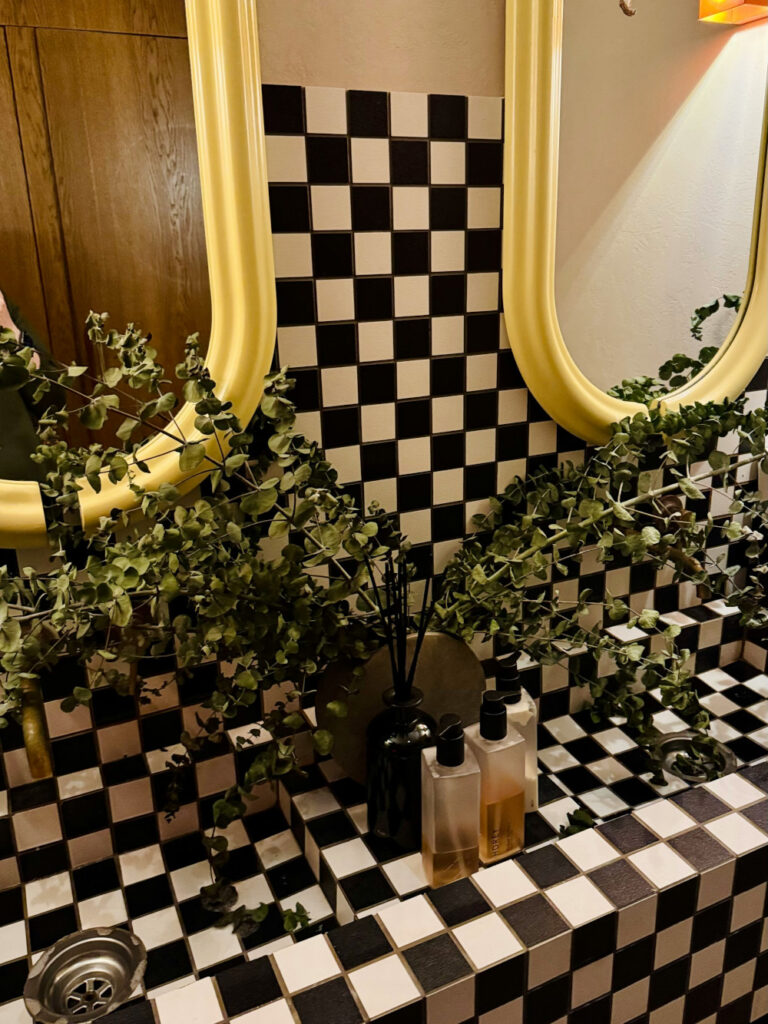
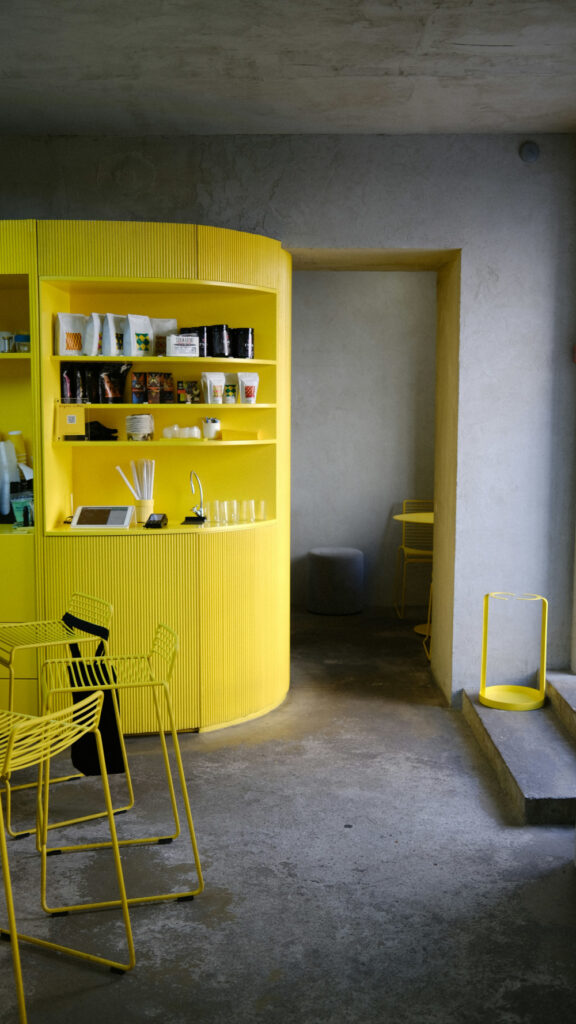
Think of the new dopamine as a dynamic layer of emotionality, not necessarily a dominant scheme. Even in more neutral spaces, there’s still room for playful design. Designers today are using accessories, art, and textiles strategically to provide mood-boosting energy without disrupting the sensory balance. Pantone’s Color of the Year Cloud Dancer may coat the walls, but it’s flanked by ochre linen drapes and a punchy rug that’s full of personality.
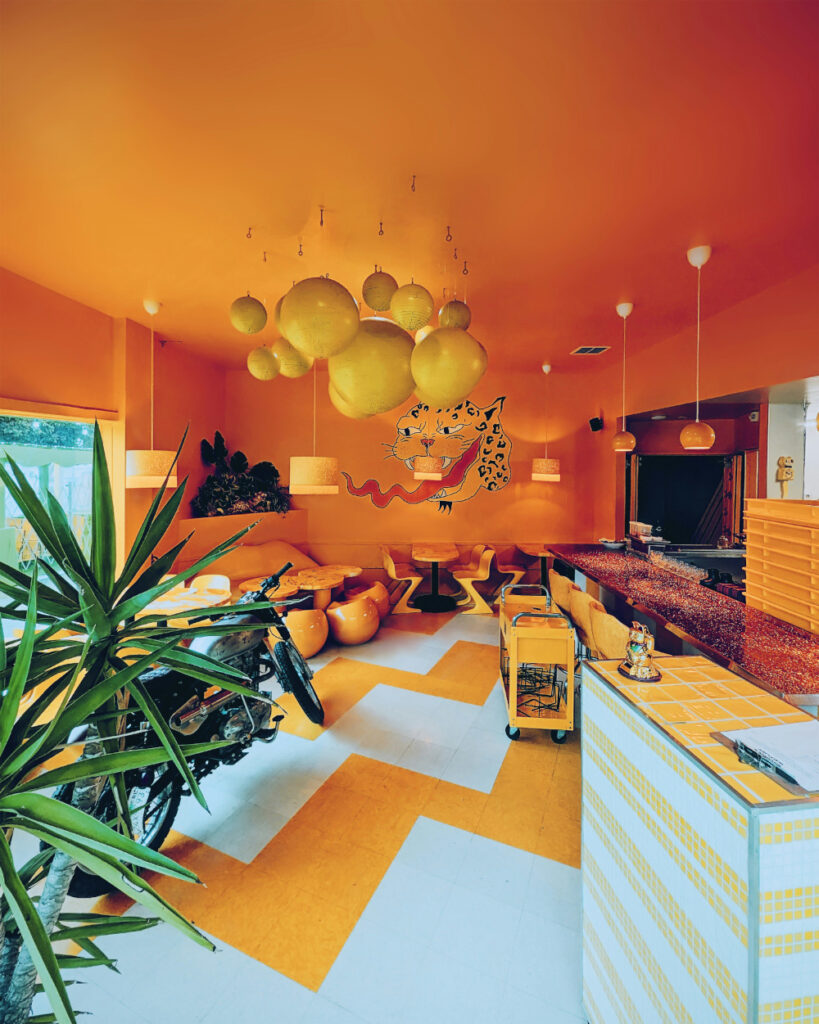
A More Sophisticated Base
The maximalist buzz of saturated color palettes hasn’t quite disappeared, but it has grown up a little. Expect fewer high-chroma rooms that scream and more thoughtfully layered spaces that whisper joy through contrast, texture, and light.
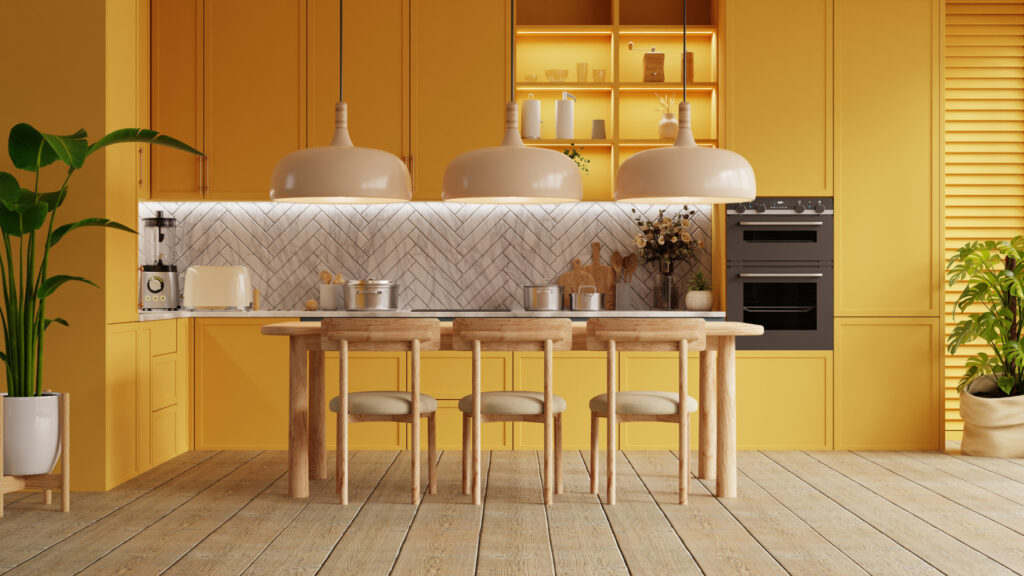
The new dopamine decor is more like dopamine organic modern, tempering the sugar rush of dopamine’s saturated palette with organic modern’s calm, fluid, and tactile base. Furniture in soft curves, muted neutral upholstery, and natural finishes form the foundation where accents of coral, cobalt, or saffron can bring warmth and visual spark. This harmony, when done right, eases overstimulation without dulling the sense of joy and self-expression that made dopamine decor so popular in the first place.
Tactile Comfort
The biggest undercurrent shaping design right now is emotional anchoring, and the bedroom is leading the charge with upholstered headboards, cozy corners, and layered textiles that invite touch. Dopamine isn’t dead. It’s just gone tactile.
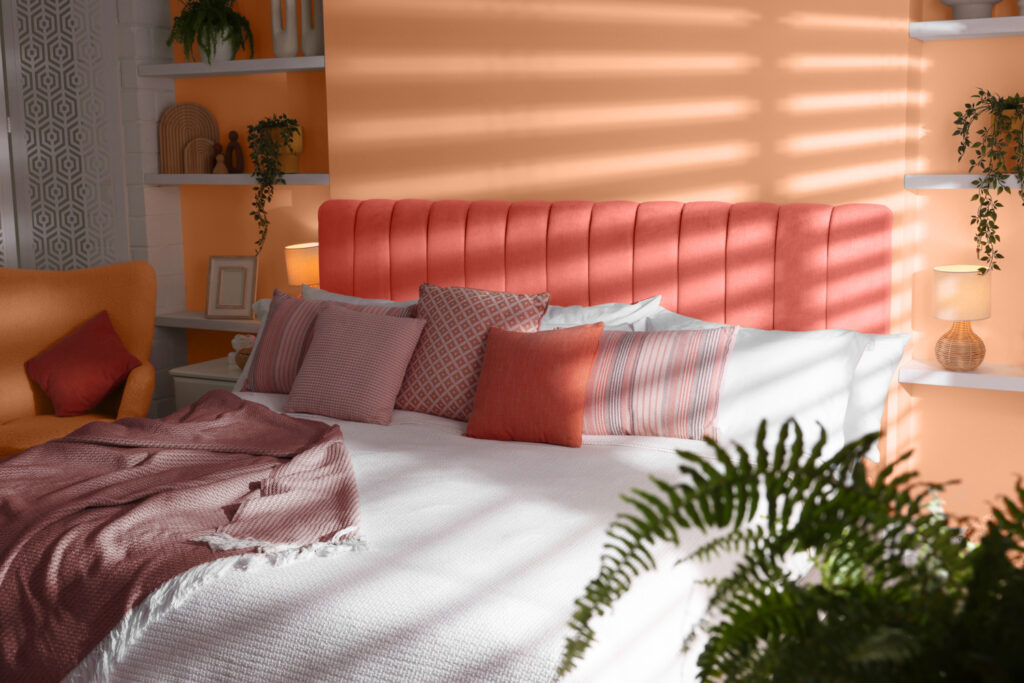
Designers are leaning into mood through texture. Bouclé, embroidery, slubby cotton, velvet, raw linen, and matte ceramics are trend-forward options that make spaces feel lived-in and layered. These materials naturally complement how clients are increasingly carving out areas that support small rituals and restore a sense of balance in their homes (i.e., reading corners, tea and coffee stations, yoga nooks). Dopamine decor now speaks as much through feel as it does through color.
How To Design With Dopamine in Mind for 2026
More than a trend, dopamine decor is a design lens pushing emotionality and sensorial motivation to the forefront. As you approach new projects, dopamine elements can become useful tools of psychological uplift. From playful wall hooks to colorful appliances, allow joy to live in the margins. When incorporating dopamine principles right now, consider:
- Playing with color: One of the best ways to incorporate the dopamine design ethos is to employ elements of color psychology. Sunshine yellows, ocean blues, and petal pinks are all great bases for crafting unexpected color combinations that brighten the mood. If clients are wary of an all-yellow room, look to bring in color with smaller accents such as bedding, millwork, cabinetry, or artwork.
- Auditing for joy: Start by identifying personal elements or sources of joy for your clients. Ask about current spaces that elicit a smile or feeling of comfort. Whether a particular color, cherished memento, floral print, or favorite style of furniture, the pieces that spark joy in your clients already are worth paying attention to. Build on these discoveries to bring bold, personalized joy into your design.
- Selecting mood-enhancing materials: Pair earthy neutrals with tactile materials like fluted wood, woven jute, and statement stone for a layered and organic feel. Echoing what we saw at Maison & Objet, materiality continues to be a narrative force in today’s best interiors. Seek out finishes that age with grace and pair soft fabrics with textural contrast — limewash walls, hand-thrown ceramics, rough-cut stone — to create spaces that feel lived in and warm.
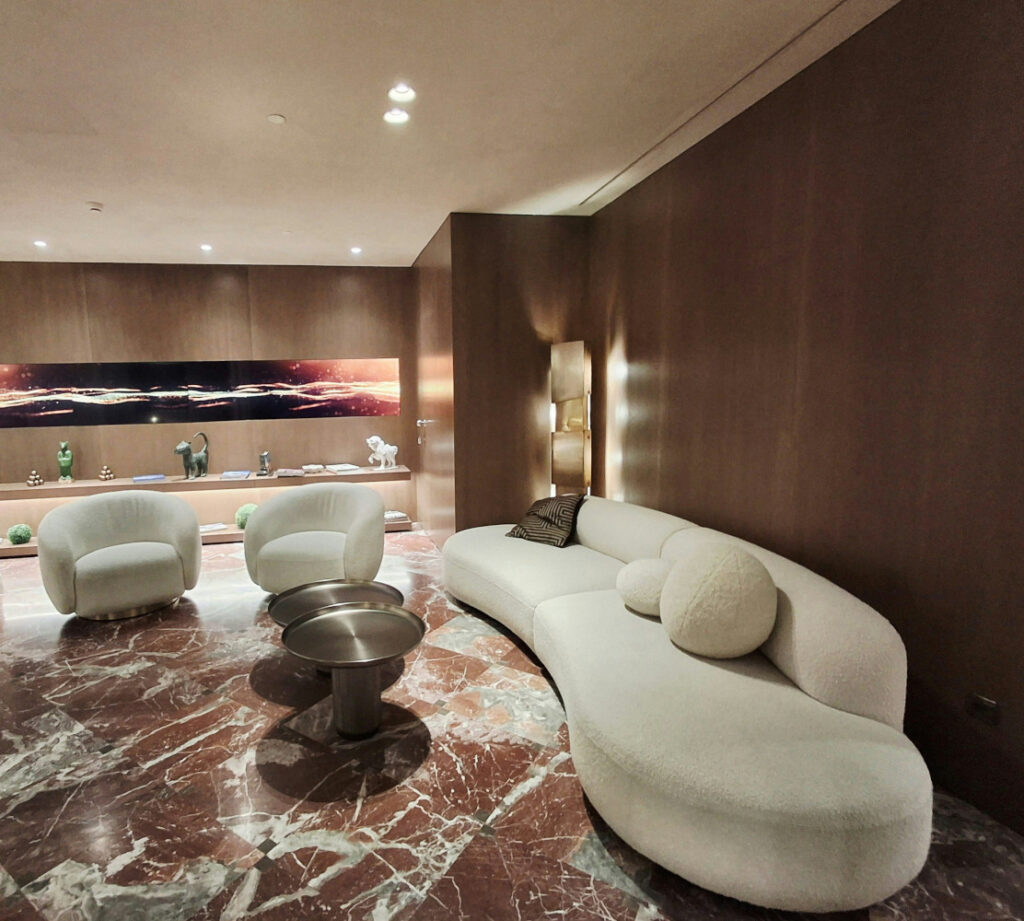
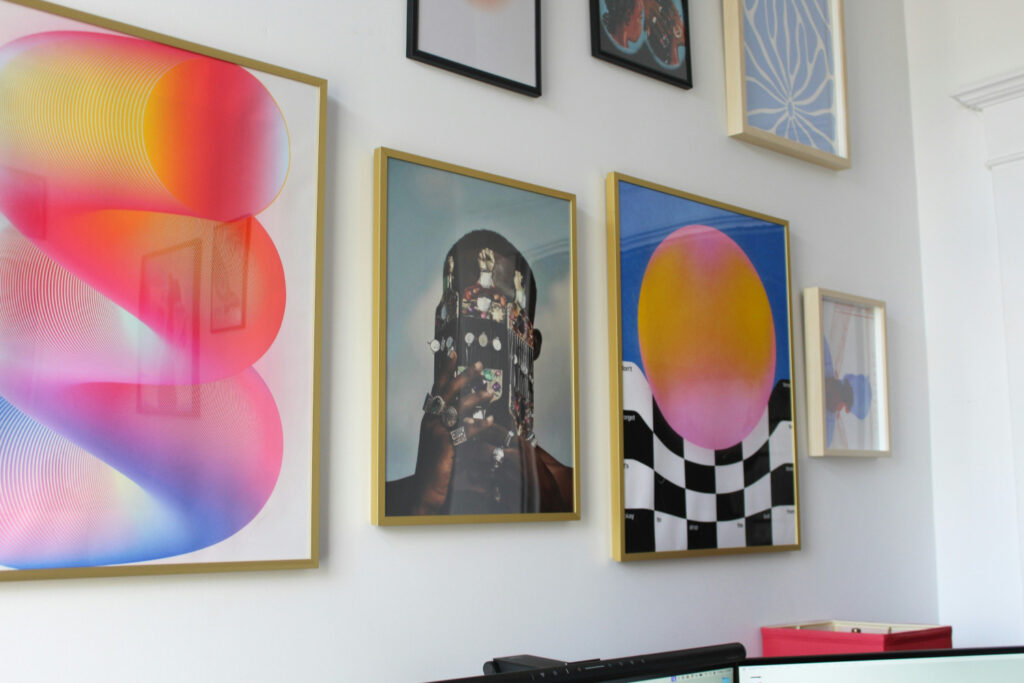
- Accenting with a statement: Consider unexpected placements for visual impact, like eye-catching art in a hallway or a saturated color moment in a powder room. Hand-stenciling walls, door frames, and furniture is another trendy, DIY-friendly way to inject joyous details into your design. Choose pieces that tell a story, spark curiosity, or offer a touch of whimsy. Bottom line: Seek out opportunities for smaller, visual pauses that invite closer inspection.
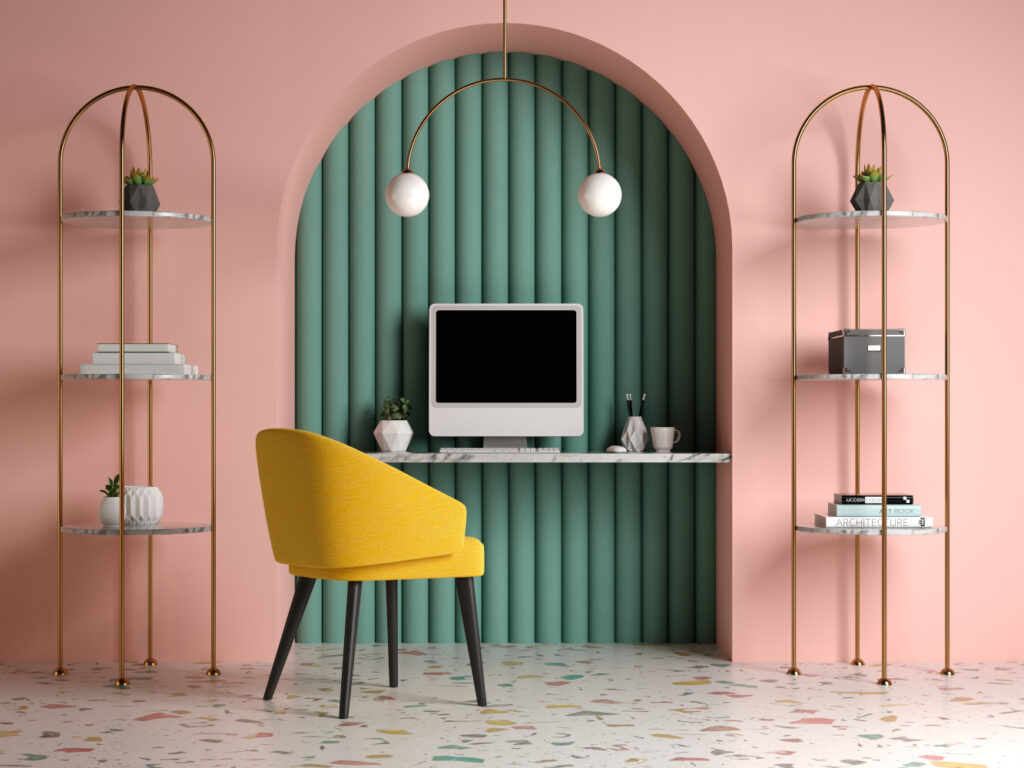
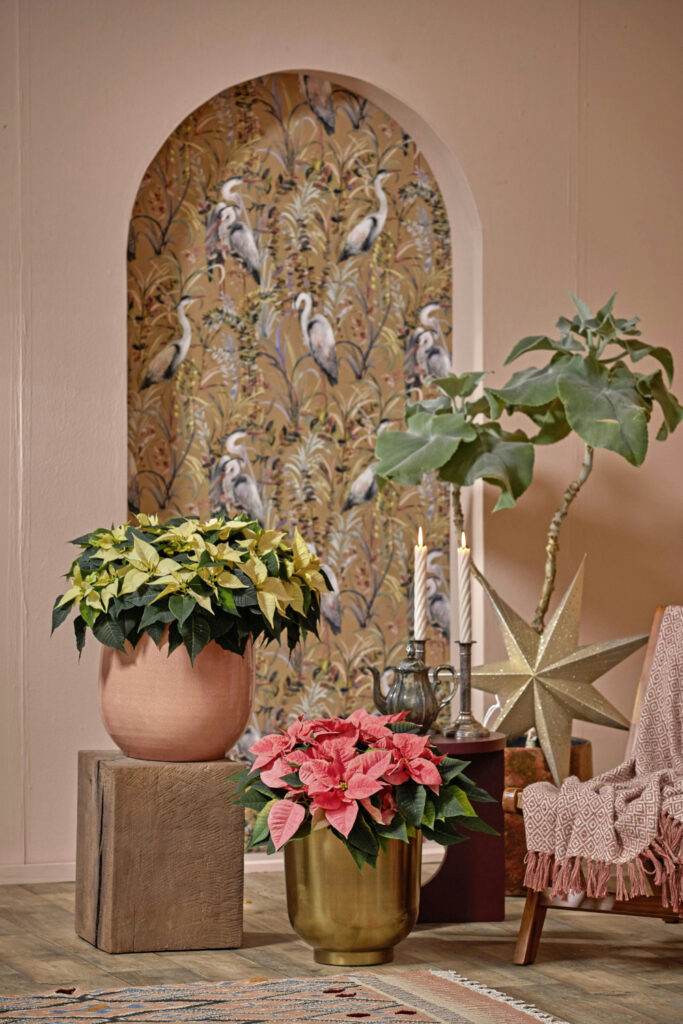
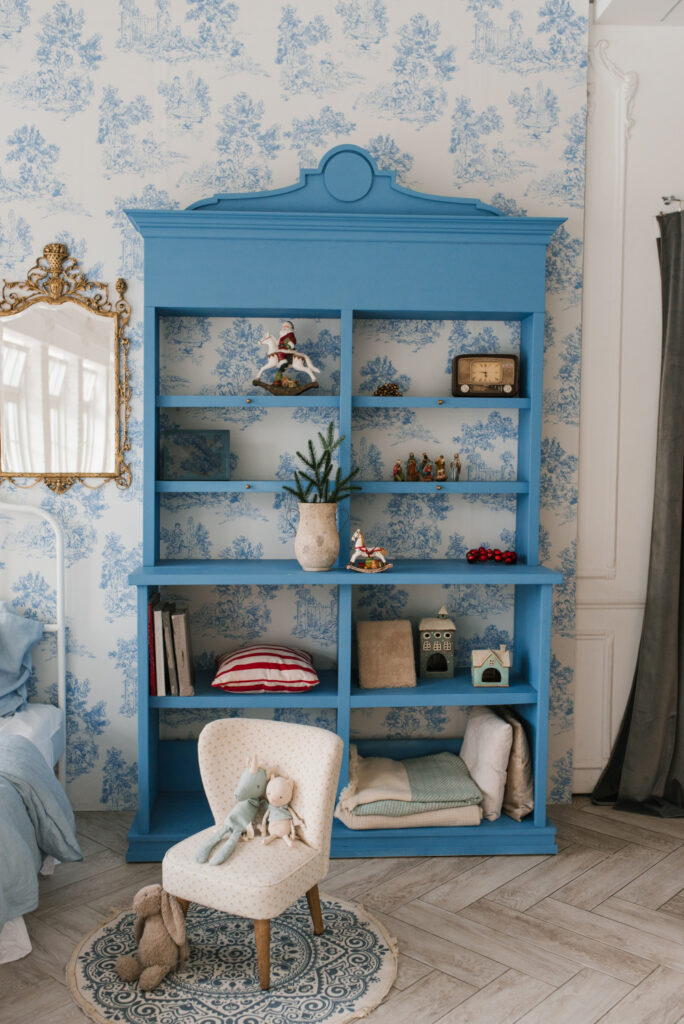
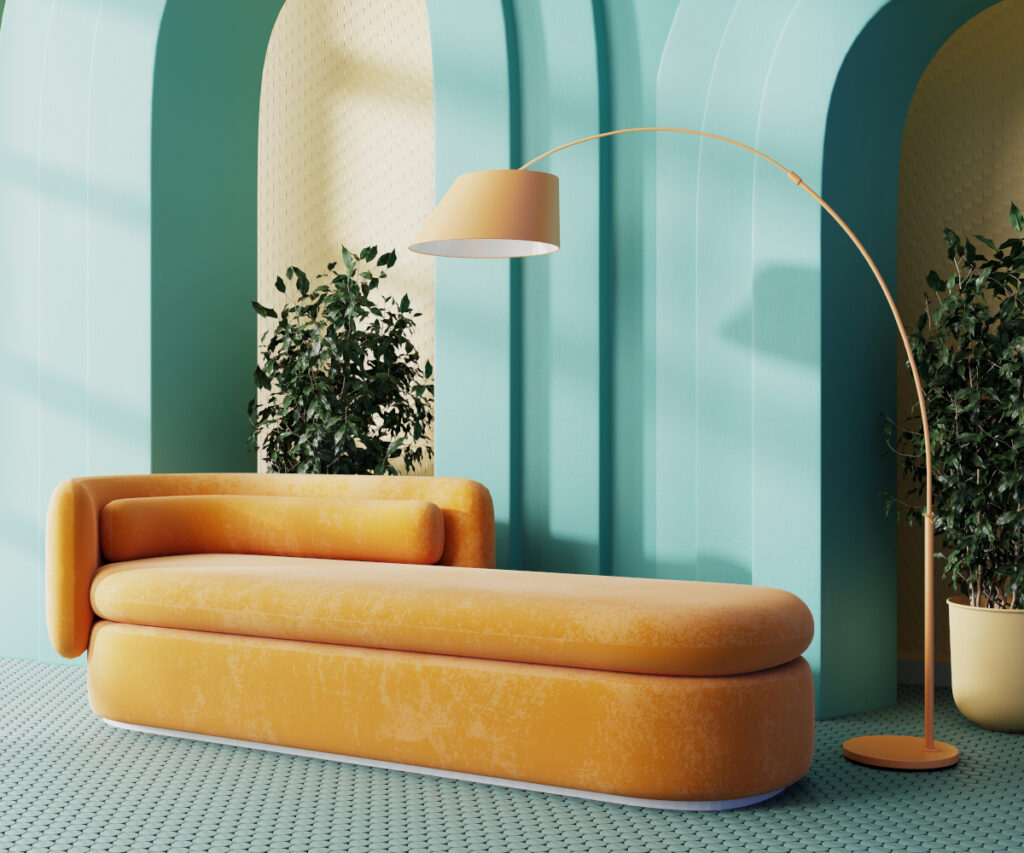
- Balancing with form: Organic, curved forms are critical in maintaining the dopamine-modern equilibrium. Avoid angular rigidity that can undercut warmth. Instead, introduce sculptural silhouettes such as rounded sofas, wavy mirrors, arched alcoves, or blob-shaped coffee tables. Use curves to lead the eye naturally, especially in rooms where you want to encourage relaxation or creativity. Even subtle gestures, like a rounded cabinet pull or a scalloped edge on a console, can dial up the softness.
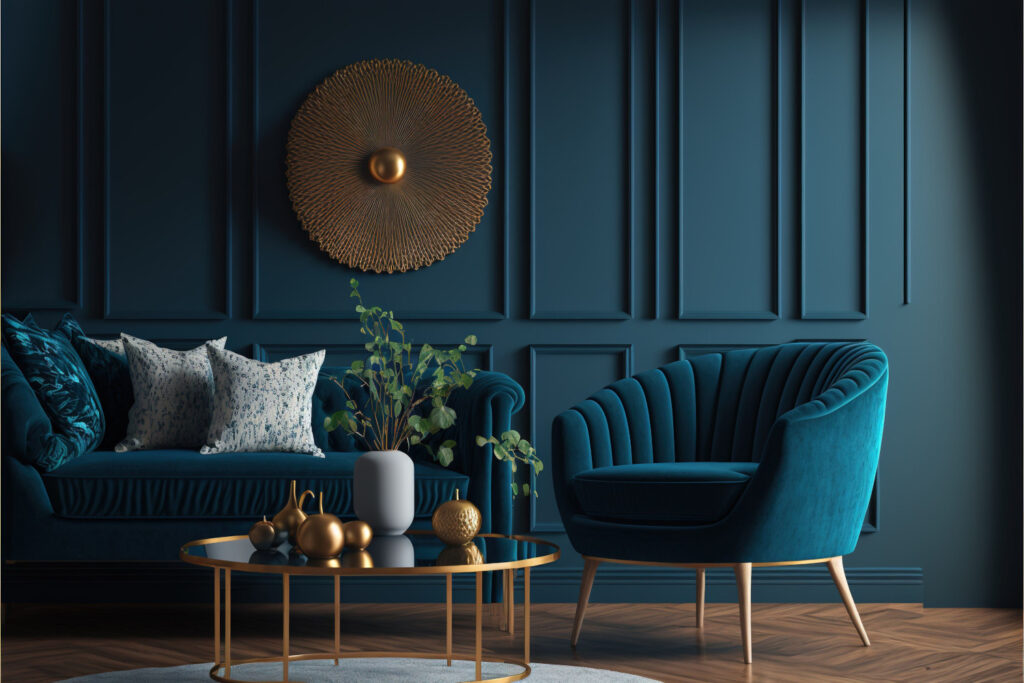
- Zoning with color: Open-concept layouts have been on the decline, with clients now favoring defined zones that support comfort and functionality. Use dopamine-boosting hues to delineate functions within more open layouts, offering both mood and spatial definition with color-coded micro-environments. A deep green reading corner tucked behind a terracotta-toned sofa signals retreat. A cobalt blue ceiling over a dining area defines the experience in calming elegance. Even small gestures, like painting the inside of an archway or applying a patterned wallpaper to one wall, can softly signal transition between zones.
We know trends are tools, not rules. Dopamine decor’s current iteration is not about turning homes into Instagram-ready vignettes but about creating emotionally intelligent interiors that support expressions of personality and, most importantly, invite engagement with the space. Think of dopamine decor not as a moment in the trend cycle, but as a design lens for elevating the EQ of all your interior projects.
SOURCES: Forbes, Coppel Design, Ideal Home, House Beautiful