NeoCon 2025 redefined what smart, human-centered design looks like in a world where spaces must do more, flex more, and mean more. If you missed the show or are still digesting, Interior Design 411 unpacks the eight defining trends shaping how future commercial designers will build, specify, and lead.
1. Mentorship Is the New Management
Rigid hierarchies are going out the window. Design leaders at NeoCon’s Commercial Leaders roundtable made it clear that today’s younger talent doesn’t want to be managed, they want to be mentored. Retention is becoming a leadership art form. Younger designers crave meaning over money, and firms must invest in more than compensation packages to keep them engaged. For designers themselves, this means not only seeking mentorship but also recognizing the opportunity to become mentors themselves. Transparency, personal storytelling, and empathetic leadership styles are taking precedence in the new leadership pipeline.
2. AI: Risk, Asset, or Both?
Artificial intelligence continues to stir debate, affecting job design, client expectations, and firm operations. Some firms embrace it as a design catalyst, using it for quick RFP iterations or as a visual brainstorming tool. Others tread carefully, especially after seeing clients prohibit AI usage even for internal documentation like note-taking.
The tension is real. Designers are wary of losing the entry-level roles that are crucial for cultivating future talent. Others see opportunity in building firm-specific AI platforms to maintain control and transparency. But AI isn’t optional anymore. It’s here, and the conversation is shifting from “should we use it?” to “how do we manage it responsibly?” This necessitates designers actively engaging with AI tools, understanding their limitations, and developing ethical guidelines for their integration into design workflows.
3. Wellness and Dignity
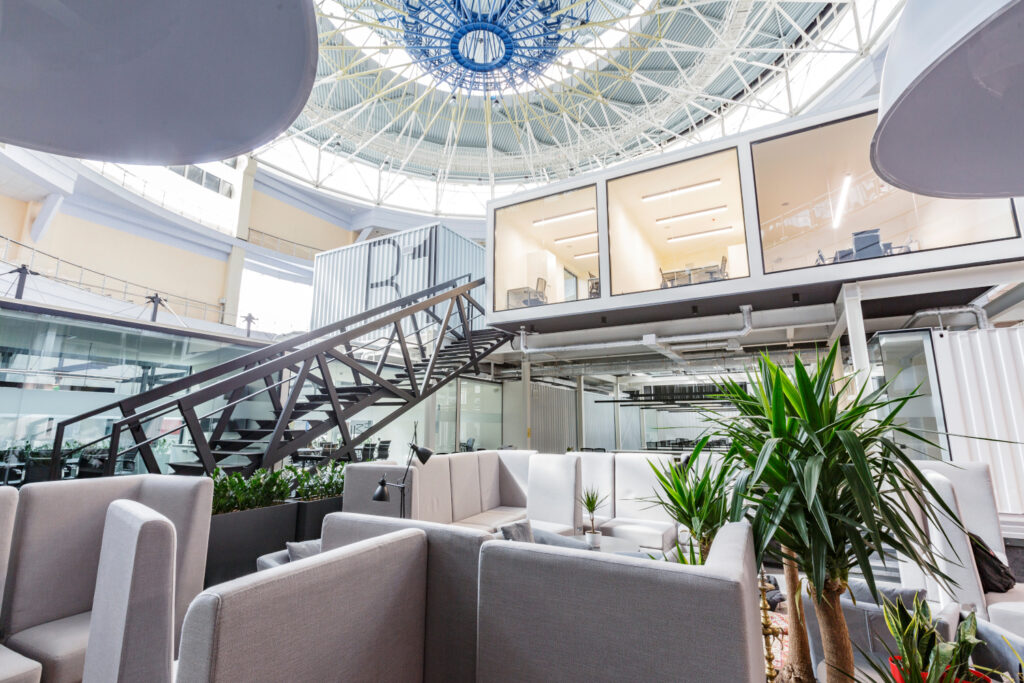
Wellness is now the baseline expectation. In both hospitality and healthcare discussions, the idea of “dignity through design” reigned. Designers are increasingly tasked with creating spaces that not only look good but feel safe, intuitive, and inclusive, especially when it comes to neurodivergence.
Design choices now center on giving people agency. Think sensory opt-in zones, wider-than-required doors, or redesigned memory care spaces that encourage interaction. Clients want spaces that support mental and physical wellbeing without sacrificing style.
4. Sustainability Shifts
Sustainability is evolving from a checklist to a mindset shift. While green certifications remain important, many firms are prioritizing long-term impact over labels. High costs and complex requirements have made third-party certifications less practical for many. The conversation now centers on regeneration, durability, and lifecycle thinking.
Designers are asking harder questions: Will this product stay with the client over time? Can it be repurposed, or will it head to a landfill? These questions are reshaping how materials are sourced and specified (think PVC-free mandates and reclaimed or low-impact alternatives).
5. Sensory-Based Design
Driven by neuroaesthetics, designers are crafting spaces that engage more than just the eye. The sensory shift is pushing beyond traditional biophilic trends into intentional, multi-sensory experiences that reduce stress and promote belonging.
From nature-inspired acoustic panels to ambient light pods and modular soft furnishings, new products are helping spaces connect emotionally. These strategies aren’t limited to boutique hotels anymore. They’re showing up in offices, classrooms, and healthcare settings.
6. Mobility and Modularity
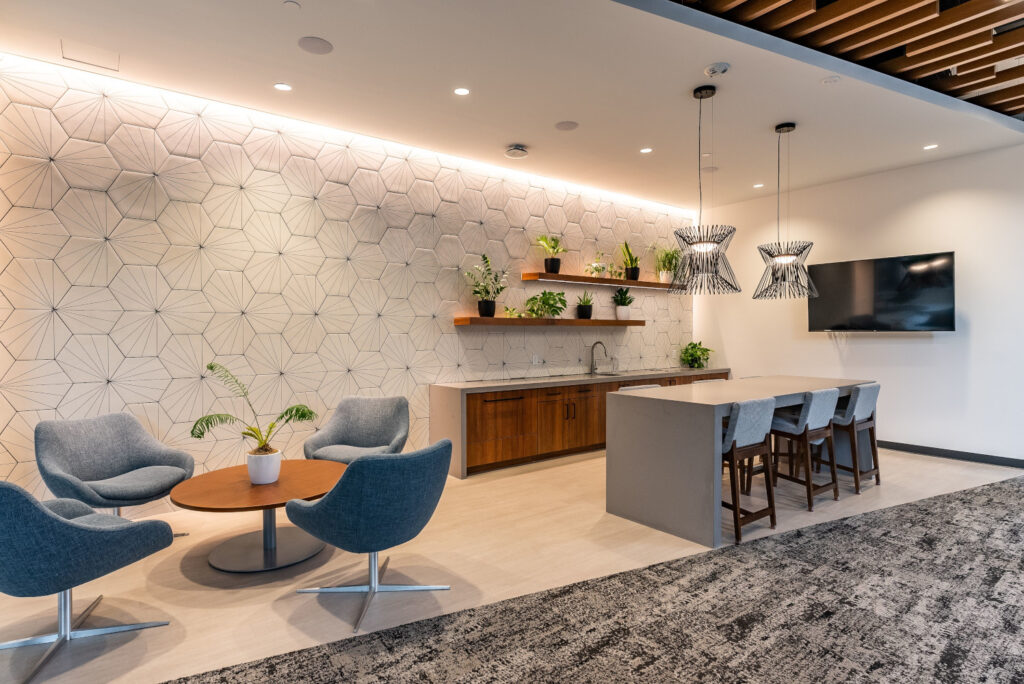
Boundaries between sectors are blurring, and designers now need to create interiors that flex across uses: work, leisure, collaboration, and downtime. Modular lounge collections, pod seating, and convertible workstations are becoming design must-haves.
This year’s standout collections prioritized ease of reconfiguration without compromising aesthetics. From education to hospitality, clients want to extract more value from less space, and your material and layout choices need to support that shift.
7. Material and Tech Innovation
The materials revolution is here, with performance and story finally merging. Whether it’s biodegradable vinyl, enzyme-treated upholstery, or smart sensors tracking workspace usage, the industry is leaning hard into products that combine ethics with engineering.
Designers are becoming stewards of product storytelling, explaining carbon footprints, communicating durability, and choosing products that align with clients’ ESG priorities. Tools like Nura Space and Clarus’ Lynk show how tech is weaving into furniture systems to make the built environment smarter, more responsive, and more efficient.
8. Durability Is King
Resilience is now driving specification decisions. ThinkLab found that 65% of A&D professionals now cite durability as their top consideration. It’s no surprise given global supply volatility, rising climate risks, and aging infrastructure.
From bleach-cleanable textiles to luxe corrosion-resistant outdoor seating, NeoCon exhibitors responded with options that are as robust as they are refined. Expect clients to start asking not just how a product looks or feels, but how long it lasts and under what conditions.

Design Ahead Means Designing With Intention
NeoCon 2025 reminds us that interior design today is about more than color palettes and product pairings. It’s about mentorship and meaning, responsibility and resilience. Clients now expect spaces to flex, heal, inspire, and endure — often all at once. The bar is higher, but so is the opportunity. Whether you’re specifying for a Fortune 500 HQ or a boutique healthcare clinic, expect the design decisions you make now to set the tone for the next decade.
SOURCES: Floor Covering News, I + S, ID, ID