ASID’s 2026 Trends Outlook report was all about designing through disruption. Trade volatility, climate pressure, rapid tech expansion, and workforce shifts are all colliding at the same time. The era of solving one variable at a time is over. Clients feel it, supply chains reflect it, and your projects are being changed by it. Is your design process evolving fast enough to respond?
This week, Interior Design 411 distills what you need to know from the latest ASID report and where you should be focusing your energy in the year ahead.
If It’s Not Accessible, It’s Outdated
By mid-century, adults over 80 will triple, meaning that accessible design is no longer a niche service. It is a design mandate. Zero thresholds. Wider clearances. Reinforced walls for grab bars installed at rough-in whether the client asks for them or not. Rounded edges. Layered lighting that reduces glare. All of these features are becoming standard. The real update is that clients expect this accessibility to disappear visually.
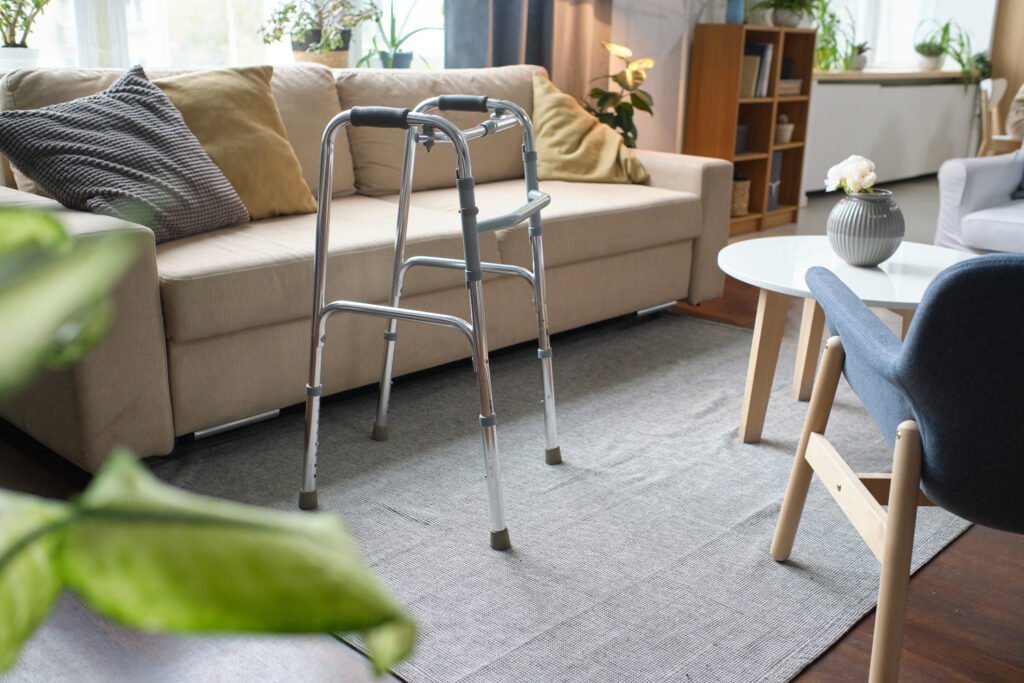
If you are not leading these conversations, you are already behind. It helps to lead with longevity over limitation. Frame accessibility as smart future-proofing that protects comfort and independence. Introduce these moves early so they feel architectural. Use strong visual examples and clear reasoning when trade-offs arise. When you normalize it from the start, clients simply see it as good design.
Wellness As a Metric
Clients are asking about air quality, circadian lighting, carbon footprint, material sourcing, and off-gassing. Steam showers, sleep-optimized bedrooms, skylights that regulate biological rhythms, and cold plunges are visible expressions of wellness where performance matters just as much as aesthetics.
ASID’s collaboration with the International WELL Building Institute signals where this is heading. Residential projects will increasingly be evaluated through data such as air exchanges, VOC levels, daylight modeling, and energy use. You will need literacy in these conversations, as wellness graduates to a specification exercise.

The Sustainability Paradox
Technology promises efficiency, but it is driving energy demand. You are designing homes that consume more energy while being asked to reduce environmental impact. That tension affects panel capacity, backup systems, insulation choices, and appliance selection. Energy modeling is becoming foundational to the design process. Clients are more informed too, asking where materials are made, about embodied carbon, and about longevity.
Specify products that last and can be repaired, not just replaced. Prioritize assemblies with proven lifespans and manufacturer transparency. Design layouts that adapt to future technologies so electrical upgrades or system swaps do not require demolition. Plan for additional load capacity at the panel and conduit pathways for future expansion. Avoid hyper-trend installations that will be ripped out in seven years and instead anchor the project with durable materials and flexible infrastructure. Long-term value is the new luxury.
Identity Trumps Resale Value
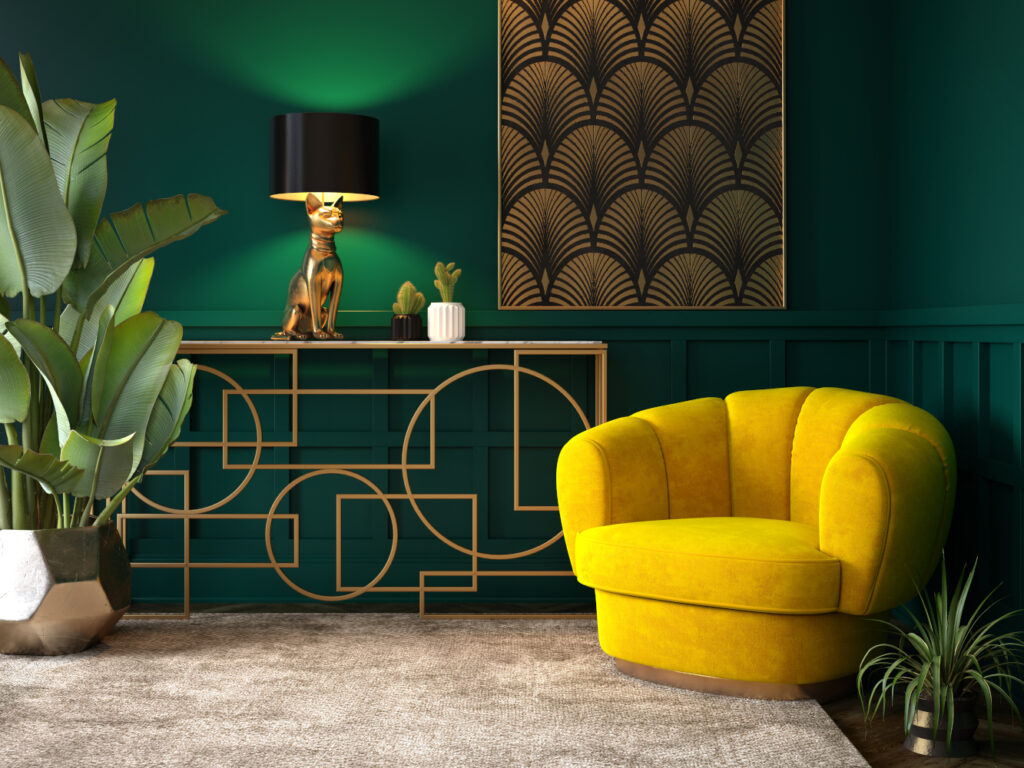
After years of restraint and quiet neutrals, maximalism is getting a glow up with saturated color, playful silhouettes, visible personality, and nostalgic references for intentional self-expression. Clients are prioritizing homes that reflect who they are today, not hypothetical buyers ten years from now. Guide that expression with discipline.

Encourage clients to invest in architectural permanence first, then layer personality through elements that can evolve. Use bold color strategically on millwork, lacquered doors, or enclosed rooms rather than everywhere at once. Create visual pauses, tie nostalgic references to a clear material palette, and document the story behind key pieces. When identity is the driver, narrative becomes part of the design strategy.
The Shapeshifting Home
Boomers are downsizing, co-living, or creating senior roommate arrangements in high-cost cities. Multigenerational households continue to grow. Remote work is restructuring urban density. And design is responding with adaptability.
Spaces need to subtly shift function. Think guest rooms that become offices, dens that convert to caregiver suites, or furniture with commercial-grade frames that can move easily and survive heavy use. Flexibility should be embedded into the floor plan.
Procurement Under Pressure
Tariffs, labor costs, and material price swings have led nearly three-quarters of firms to raise pricing. You are operating in a global risk environment defined by climate extremes, geopolitical conflict, and rapid technological change. Scenario planning is part of your project management now.
Strategic sourcing, supplier relationships, and client transparency matter more now. Thriving today means communicating clearly about cost pressures, building contingencies into budgets, and offering phased implementation when needed. Make resilience an integral part of your brand.
The Post-Office City
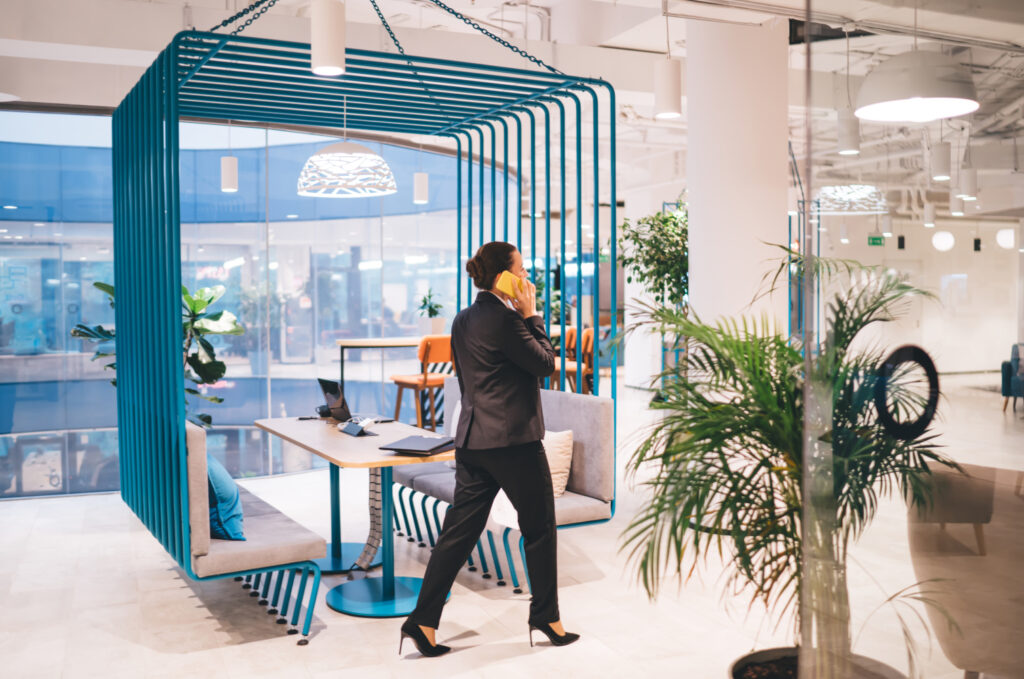
Remote work spurred by the pandemic hollowed out the central business districts in our cities. Office vacancies remain high in many markets, suburbs have expanded, and cities are sorting themselves into divergent recovery paths. This reshuffling creates opportunity.
Residential projects are absorbing functions once reserved for offices while commercial spaces are being repositioned. Mixed-use environments are rethinking how community happens in the margins.
You should be studying your local market’s trajectory. Is your city a “Super City,” a “Mixed Major,” a “Sprawling Darling,” or a “Developing Destination”? Each path implies different client expectations, density patterns, and amenity needs. Urban strategy is now part of residential thinking.
Systems Thinking Wins
ASID frames this moment as a world in transition. That phrasing is accurate but understated. You are balancing aging populations, climate pressure, technological acceleration, and economic instability simultaneously. Every project sits inside these forces.
The designers who will lead the future are the ones building energy literacy, accessibility fluency, and procurement strategy into their core practice. Homes are being asked to do more, and you are engineering resilience, supporting health, and designing for a lifespan that stretches decades beyond move-in day.
SOURCES: ASID, Finance & Commerce, Well Home