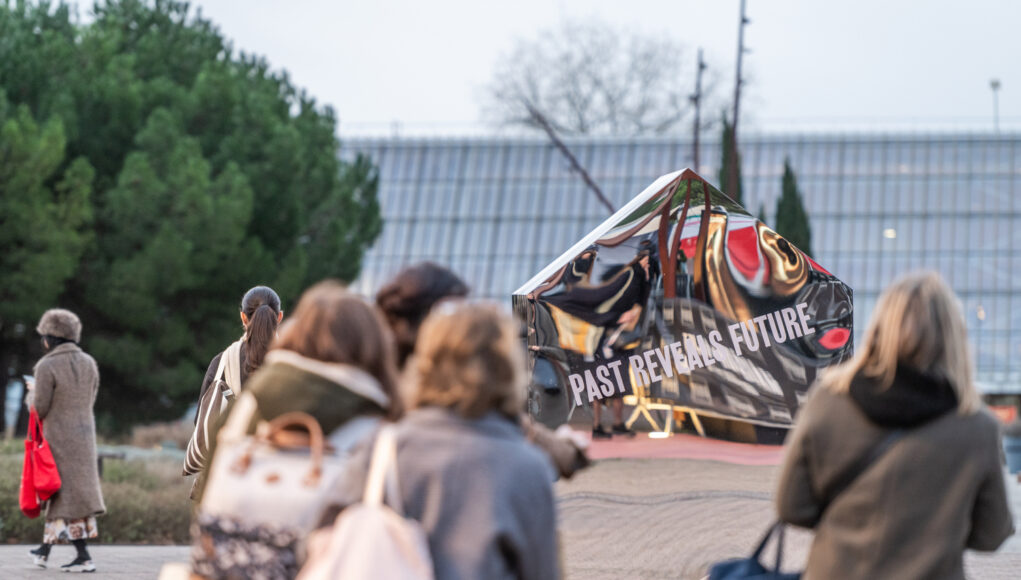
Paris in January always signals the start of a fresh design cycle, and this year’s Maison&Objet beat with a very clear pulse of serious craft, deep materiality, and reinterpretation over reinvention. Sculptural forms, earthy tones, and heritage technique dominated the seven halls of inspiration at the Paris event, with the fair’s theme, “Past Reveals Future,” framing a thoughtful exploration on how tradition fuels design innovation.
This week, Interior Design 411 shares what mattered most from this year’s edition and how you can turn these insights into richer design work and smarter business moves in the new year.
Three Trend Currents You Should Care About
Maison&Objet articulated the “Past Reveals Future” theme through three pillars that are already shaping curatorial commissions:
1) Material Metamorphosis
Design that evolves materials instead of throwing them away was everywhere this year, from objects born of reclaimed matter to high-tech material experiments. Traditional materials were salvaged, repurposed, or digitally mutated. From 3D-printed vases in Viennese coffee-inspired Melange to tactile wood finishes left deliberately raw, the material story was less about gloss and more about process.
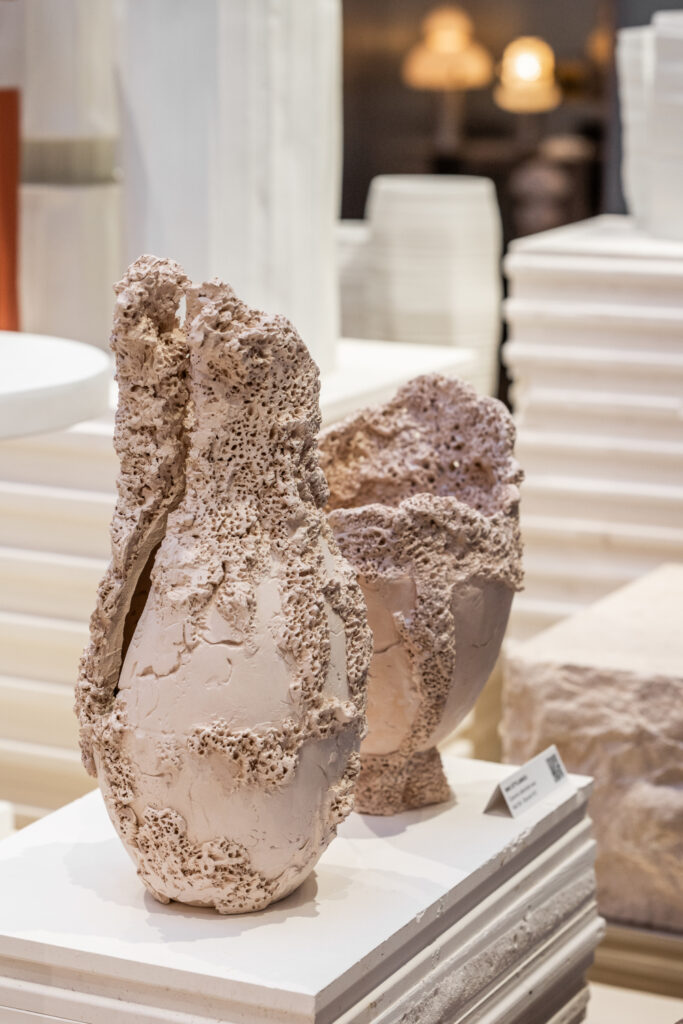
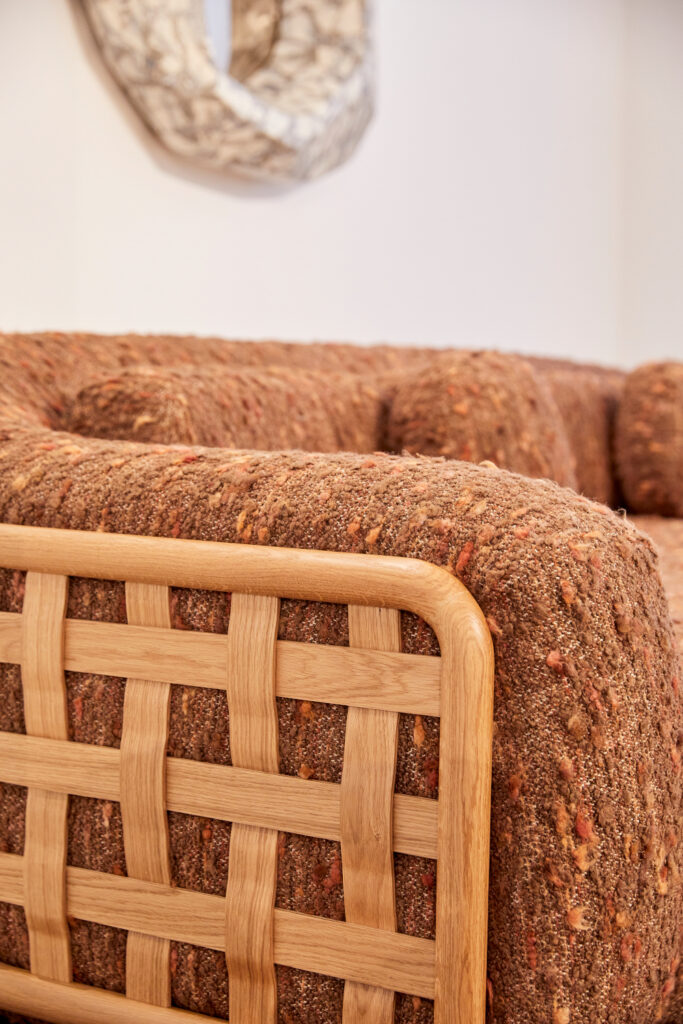
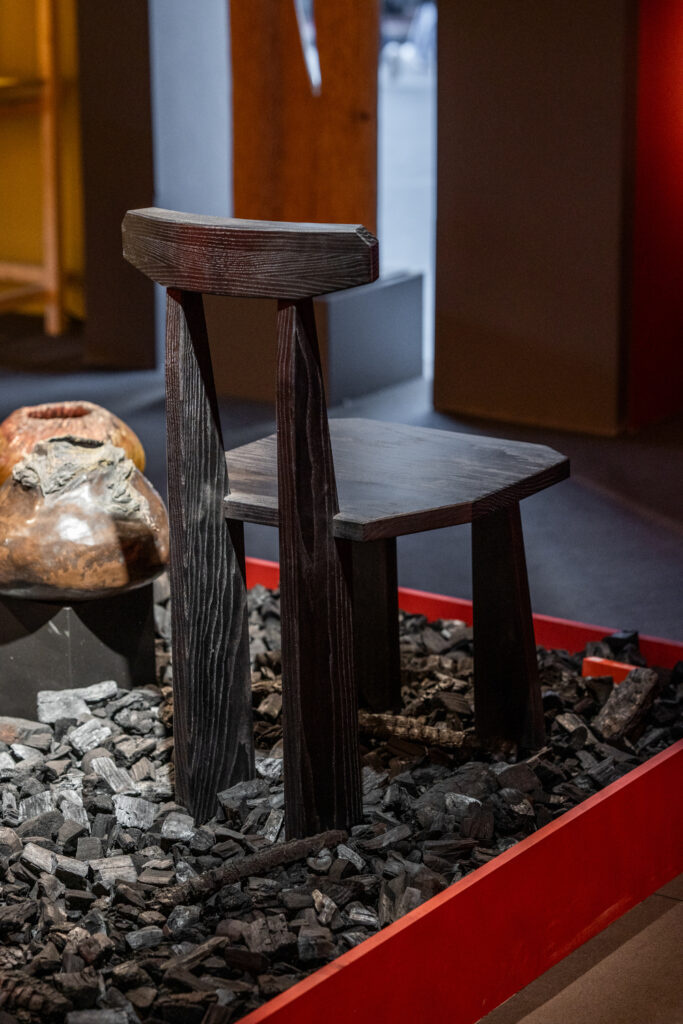
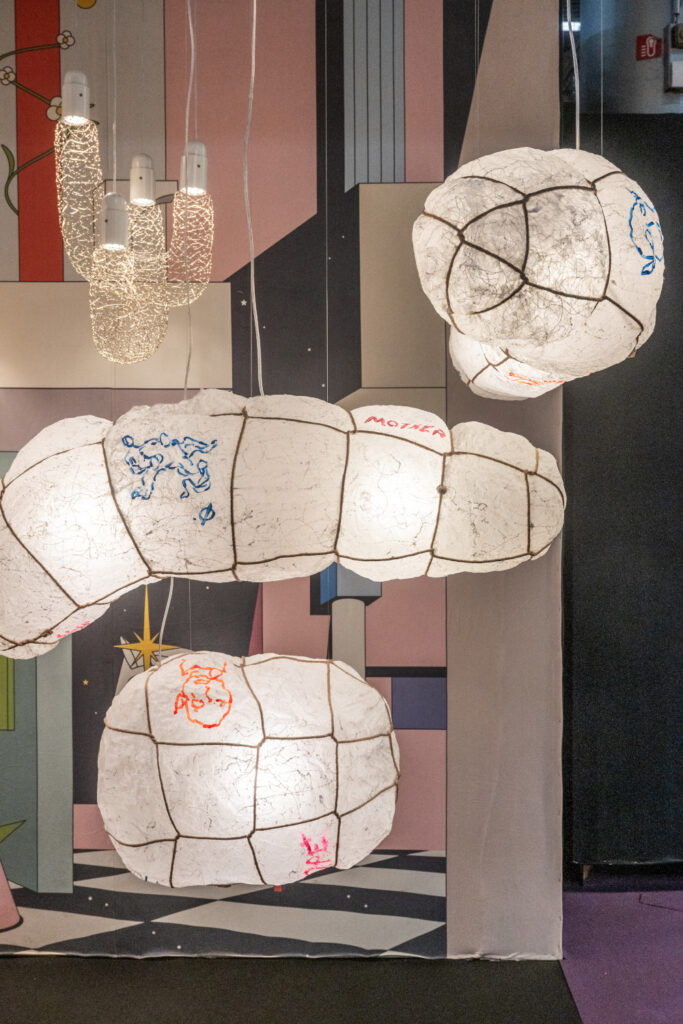
Designer of the Year Harry Nuriev pulled focus with Transformism, a philosophy placing history, memory, and context on equal footing with novelty. Rather than chasing the next big thing, pieces (whether found, made, or reimagined) were treated as carriers of narrative potential. Installed in a reflective and immersive environment, objects lost hierarchy and became part of a collective visual dialogue.

Apply It:
To channel this ethos into your own work, stop designing with a disposable mindset. Think beyond what looks new. Think of objects as narrative carriers. How does a piece relate to memory, to place, to cultural cues?
Embed these object narratives into client proposals through tangible methods at every opportunity and consider writing a 1–2 sentence narrative for each hero material in your deck. For instance, explain that a locally sourced stone countertop was chosen not just for its durability but because it echoes the textures of the surrounding landscape. This gives the client a deeper emotional connection and makes your work more defensible when budgets are tight.
2) Revisited Baroque and Neo-Folklore
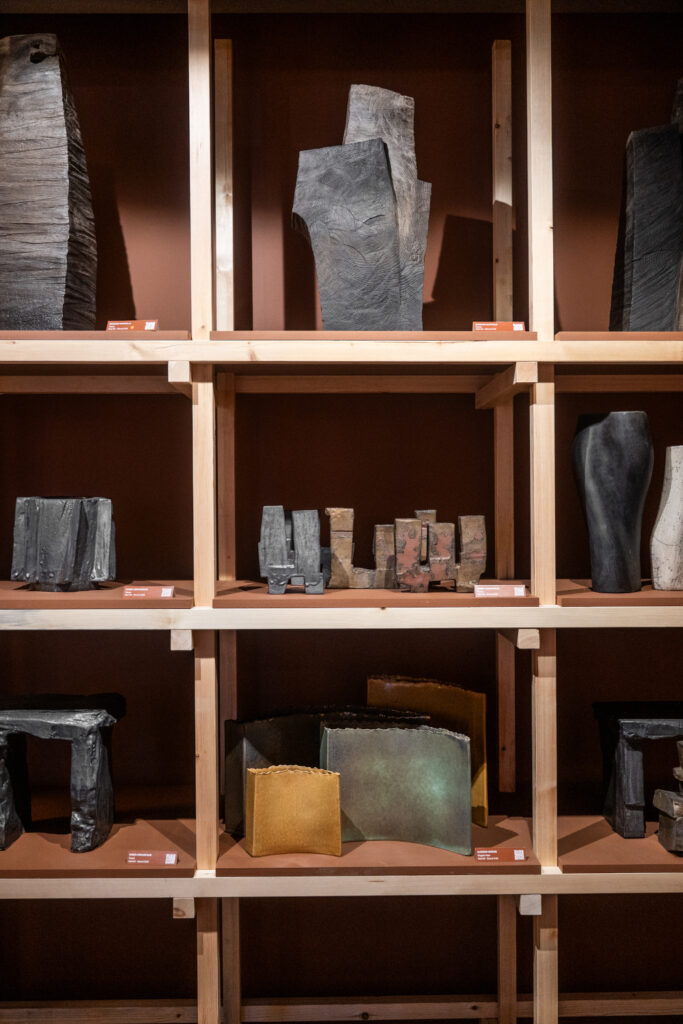
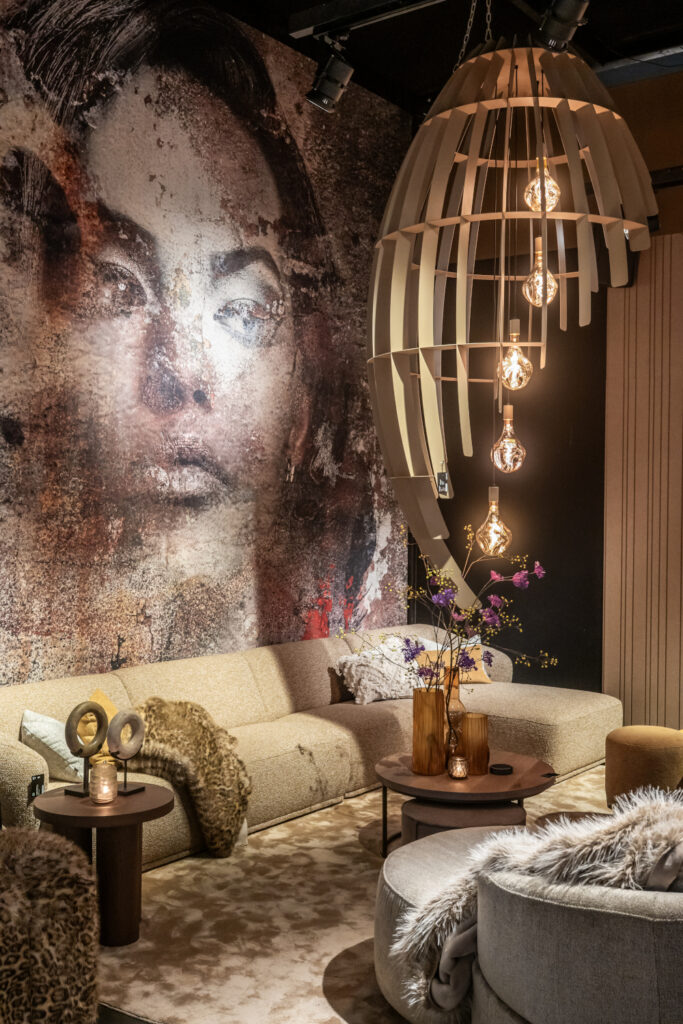
Ornate and storied references at Maison&Objet were reworked into modern contexts without pastiche. Think hand-carved flourishes reinterpreted as clean linework, textiles drawing from regional craft traditions rendered in minimal palettes, and almost-lost pottery techniques taking modern shape. In Materia, the raw materials exhibit, grounded this idea with poetic tactility, featuring clay vessels with unfinished edges, wool blends still holding the crimp of the sheep’s fleece, and glass with warps and bubbles intact. Texture was more important than polish, and, once again, what materials communicate became a central narrative device.
Apply It:
When specifying decorative or folk elements, tie motifs back to client identity. If you’re designing a kitchen for a client with Italian heritage, for example, partner with a regional artisan to reinterpret Sicilian majolica patterns in a muted, contemporary palette. Use those tiles as a backsplash that nods to family roots and results in a one-of-a-kind design detail that can’t be found in a catalog.
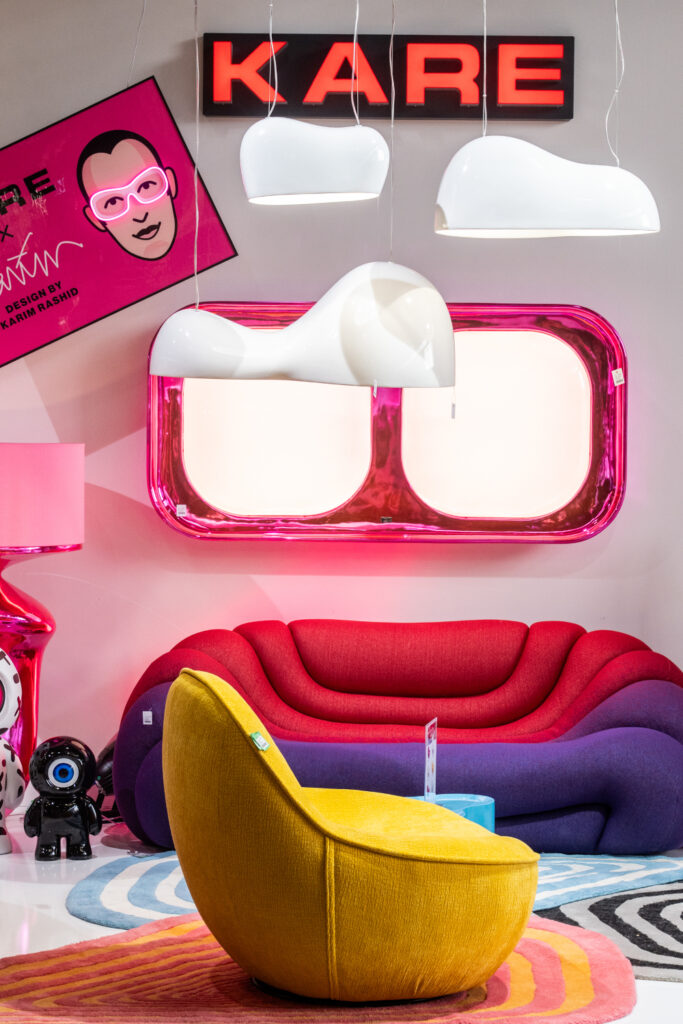
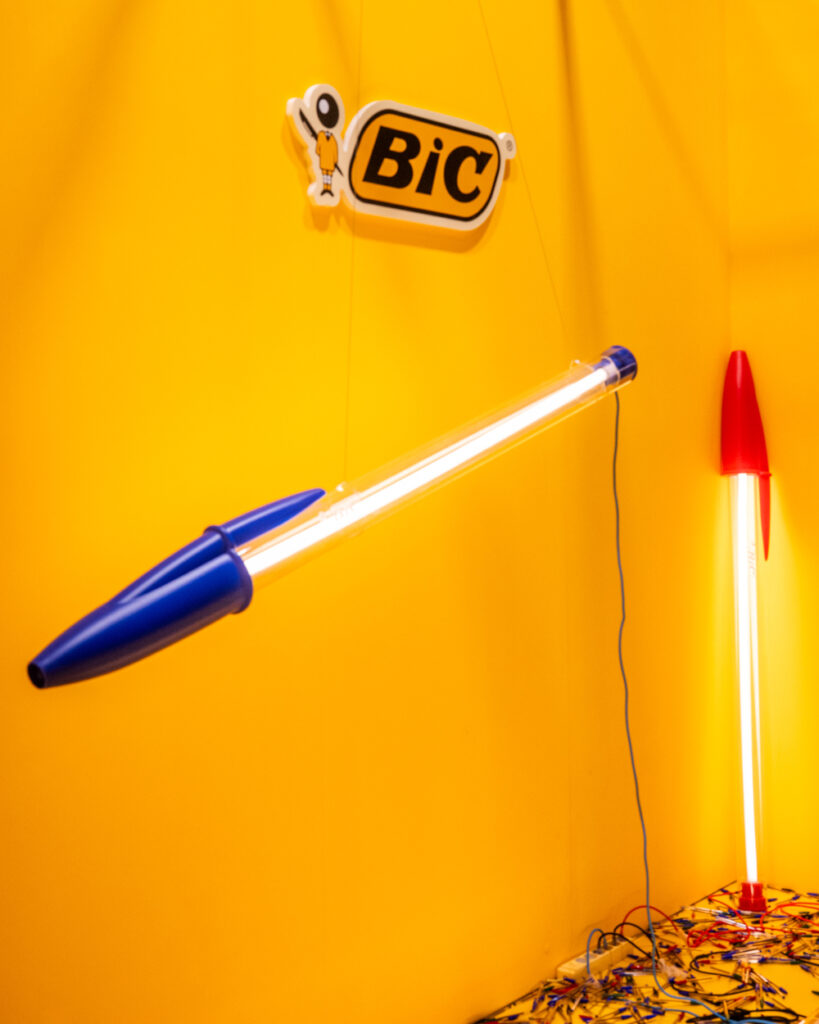
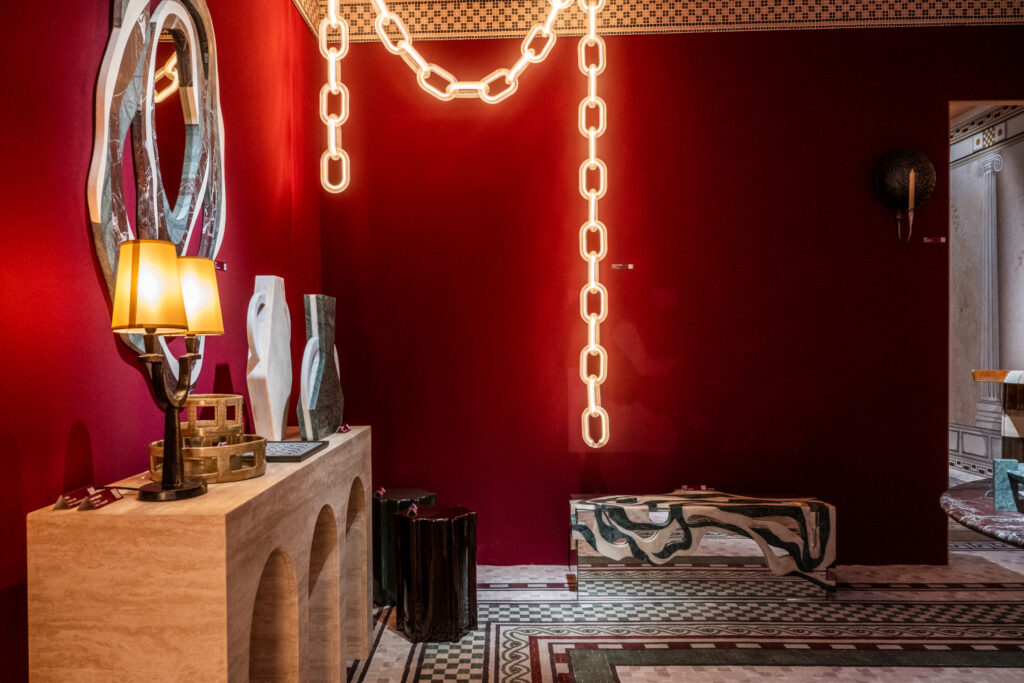
Material honesty also means making peace with imperfection. Sell this idea with visual references, such as unlacquered brass or swatches of untreated linen darkened by sun and touch. Show them how age and imperfection can add character, not take it away.
3) Blurred Boundaries of Space
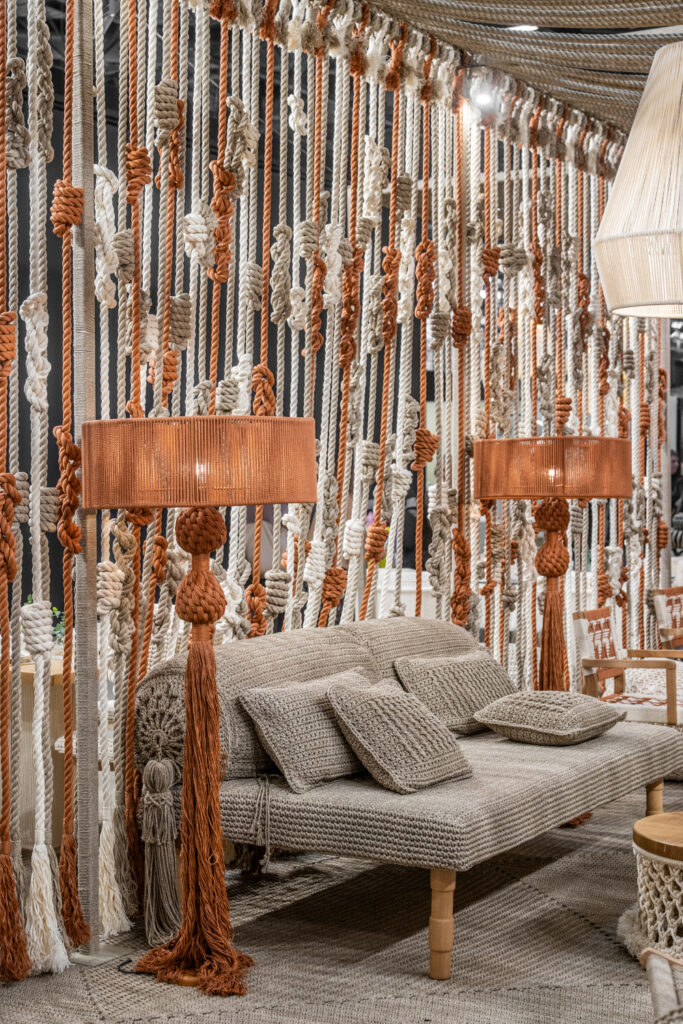
Maison&Objet framed exterior space as an extension of interior programming. From DJ-ready booths by Gandia Blasco to rope-structured lounges by Snoc, there was no functional ceiling to what outdoor could be.
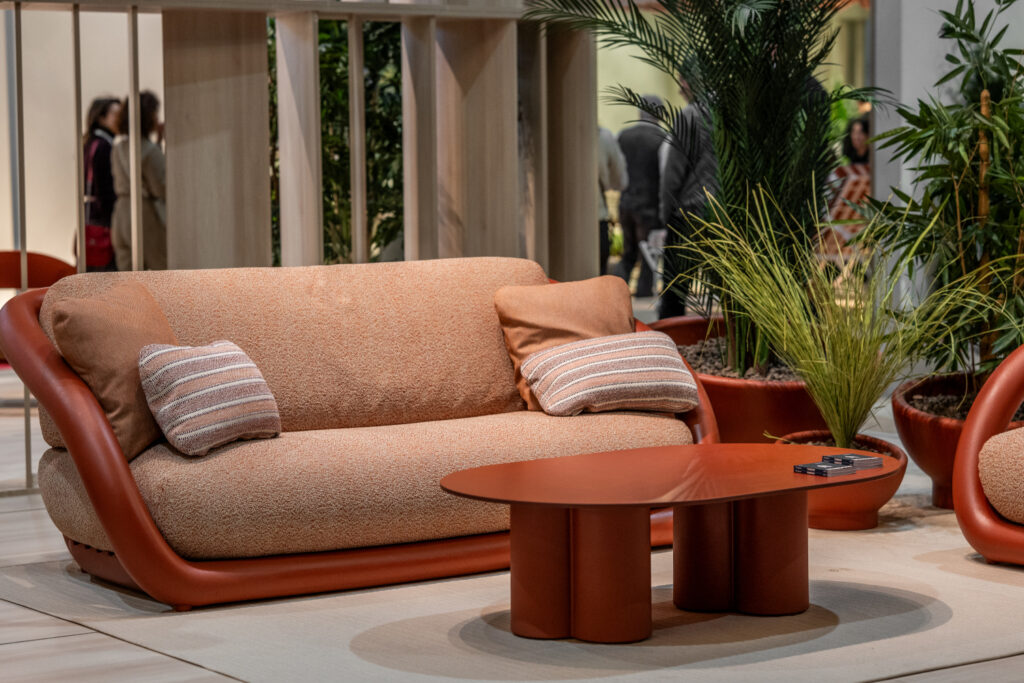
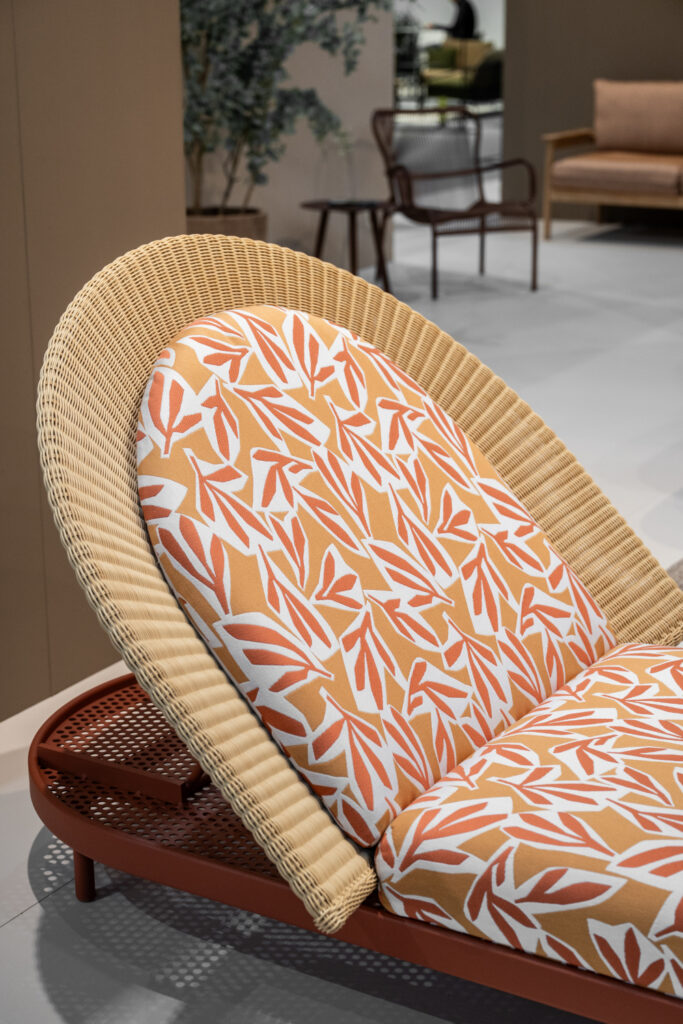
The best outdoor collections balanced softness and structure. Powder-coated frames were paired with oversized, modular upholstery in fade-resistant but tactile fabrics. Think of YAAZ’s Koru collection, not just waterproof but sensorially rich, with curves that echo landscape forms and cushions that hold their shape without looking rigid.
Apply It:
Start treating terraces, balconies, and patios like you would any living room. In mood boards, integrate the indoor and outdoor and use the same visual language of tone and scale. Suggest outdoor rugs with real texture, layered lighting plans using both architectural and portable sources, and seating that adapts from sun to social to solo reading mode. You can position outdoor upgrades as wellness investments. This helps justify larger budgets and opens design conversations around year-round usability (even in colder climates).
The Real Takeaway
Maison&Objet 2026 was a reminder that design today is all about materials and spaces that speak, reflect client values, and age with dignity. The bar for design storytelling is higher than ever, and that’s great news for anyone willing to go deeper.
So don’t just chase the next big thing. Slow down. Dig into process, place, and purpose. Frame every material choice, every decorative detail, and every layout decision as part of a narrative arc, something clients can inhabit and grow with over time.
SOURCES: Maison&Objet, Interior Design, Wallpaper, Design Wanted, Houzz
Fair Use Disclaimer
This article includes select press images provided by Maison&Objet for editorial and informational purposes. These images are used solely to illustrate and contextualize coverage of the Maison&Objet fair within a journalistic and educational framework. All images remain the property of their respective owners. No copyright infringement is intended.