From sterile minimalism to overdone sculptural furniture, this past year has shown how easily novelty can become noise. As we step into 2026, the industry is moving toward more grounded and meaningful interiors.
That means the best designers are keeping a sharpened eye for longevity, livability, and layered storytelling. This week, Interior Design 411 details what the design world is walking away from and how to lead clients into a more thoughtful, enduring aesthetic for the new year ahead.
1. “Perfect” Interiors
One of 2025’s most overplayed notes was the pursuit of overly curated, immaculate interiors. Spaces that looked like they belonged in a catalog rather than a home. In the push for polish, character got edited out.
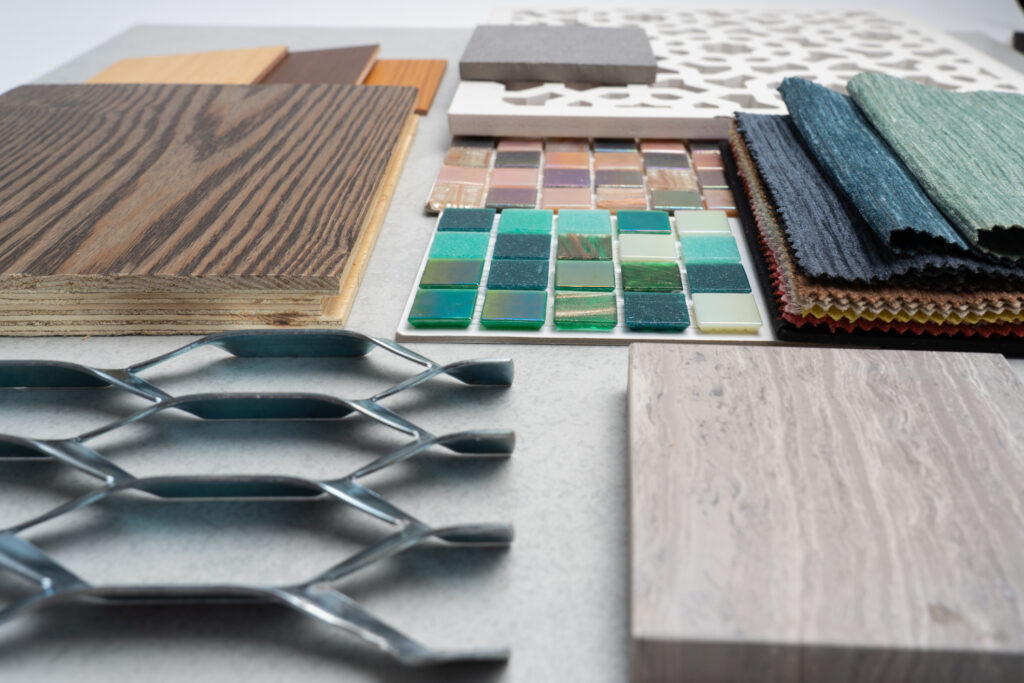
2026 demands more from a space. Imperfection is expected. Think vintage finishes, visible brushstrokes, wear that tells a story. This is the year to prioritize texture over gloss and authenticity over symmetry.
2. Overscaled Statement Furniture
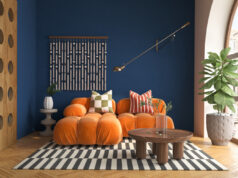
The blob couch had a moment (several, actually), but most designers are done. Sculptural, oversized pieces might earn likes on the feed, but they’ve proven less livable than expected. In many residential projects, these “statement” items overwhelm scale and obstruct flow.
In 2026, form still matters, but let function come first. Curves can stay, but they need proportion. Instead of making a single piece do all the talking, create quieter, better-composed ensembles. Focus on flow, the relationship between shapes, and furniture that works with existing architecture.
3. Open Floor Plans
Open floor plans aren’t dead, but they’ve stopped being the default. What felt like freedom in past decades now often reads as undefined, cavernous, and impersonal.
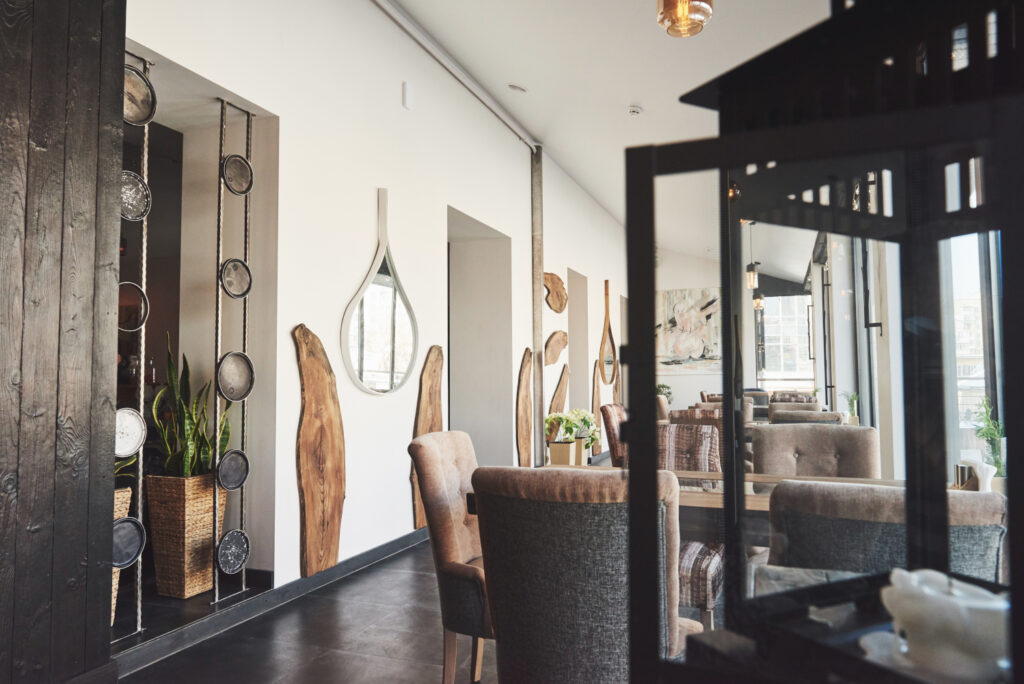
Designers are responding with creative ways to define space without building walls. Expect to see more room dividers, ceiling treatments, material shifts, and custom millwork used to create intimacy within the openness. 2026 spaces favor rhythm and separation over boundless expanse.
4. Open Shelving
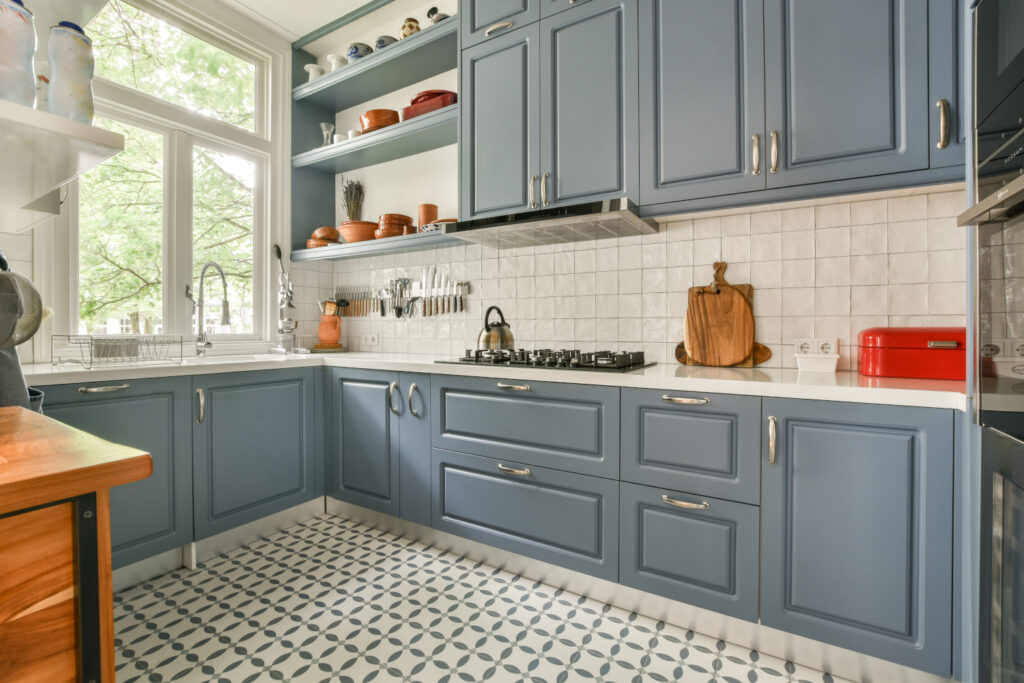
The open kitchen shelf trend looked great on Pinterest. In practice, though, it’s proven high-maintenance and unforgiving.
In 2026, the pendulum swings back toward cabinetry with purpose. Designers are embracing hidden storage, functional antiques, and built-ins that combine display and discretion. Style matters, but so does livability. Clients want their kitchens to work without constant styling (and dusting).
5. Fast Décor
Like fast fashion, trendy, cheap, and algorithm-driven “fast décor” dominated much of the last few years. But 2025 may be remembered as the year clients got fed up with disposable design.
2026 is leaning into slowness. Timeless craftsmanship, secondhand finds, and investment pieces are back in focus. The conversation is changing from “what’s in style” to “what will last.” As a designer, guiding clients toward quality will be central to your value proposition.
6. Monochrome Palettes
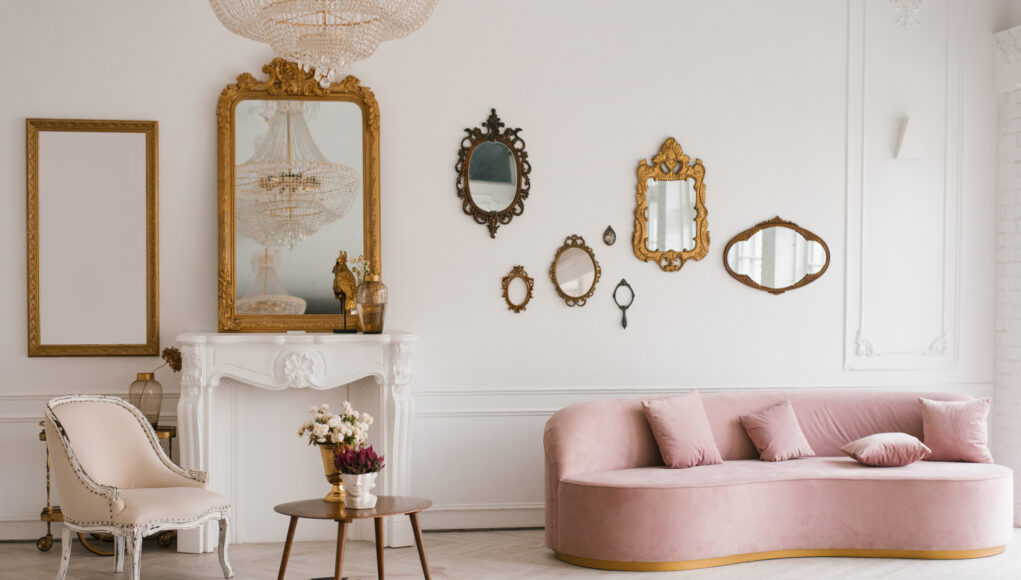
White-on-white and grayscale interiors peaked years ago but still lingered into 2025. Now they’re feeling lifeless. In 2026, the palette broadens. Designers are working with richer neutrals, complex colors, and bolder accents. Not loud, but layered. Color is being used more strategically to evoke warmth, history, and identity.
Interestingly, Pantone’s 2026 Color of the Year, Cloud Dancer — a crisp, airy white — might seem like a step backward toward the monochrome palettes. But in practice, it’s more of a blank slate for individuality than a return to minimalism. Used thoughtfully, this subtle white acts as a quiet backdrop that allows richer, warmer materials and layered colors to take center stage. In 2026, minimalist hues like Cloud Dancer work best when they are part of a composition rather than the whole story.

7. The Trend-Chaser Mentality
Perhaps the biggest shift in 2026 is philosophical. Designers and clients alike are growing wary of short-lived styles and social-media influence cycles. There’s renewed respect for individual taste, design intuition, and emotional connection to space. Forget what’s trending. What feels good? What lasts? What tells the story?
This is the year interior design recommits to itself as a craft, not a content engine. You don’t need to chase the algorithm. You need to listen to the client, understand the space, and design with care. The rest will follow.
Design That Feels Human Again
If 2025 was a year of excess and aesthetic fatigue, 2026 is already promising more clarity. Clients want interiors that evolve with them. That’s your opening to steer the conversation away from trend-following and toward space-making that’s enduring and richly human.
In short: 2026 doesn’t want more stuff. It wants more soul.
SOURCES: Apartment Therapy, Veranda