At Interior Design 411, we’re seeing a fun trend pick up momentum in the design world and across Instagram feeds: Bold, patterned upholstery is back on the radar, and it’s taking center stage on the sofa. Designers across residential and hospitality projects alike are embracing expressive prints that recall the ’70s and ’80s but with a cleaner, more curated edge.
Patterned sofas today are being used not just to decorate a room, but to direct it. Whether you’re specifying for a maximalist’s living room, balancing cottagecore layers, or injecting personality into a restrained commercial palette, these bold seats are doing more than just sitting pretty.
Why Patterned Sofas Are Gaining Ground (Again)
There’s no single reason behind the patterned sofa’s return. It’s a mix of visual fatigue with neutrals, the continued influence of retro design, and a desire for vitality and individuality. From Lulu and Georgia’s cognac grid prints to Schumacher1889’s leopards, upholstery is being reimagined as a canvas for storytelling.
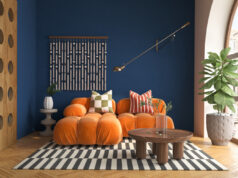
Interior designers like Frances Merrill and Fern Santini are using pattern to deepen narrative and inject joy into interiors. Whether it’s the retro bulbous shapes of Camaleondas dressed in ‘70s prints, or Cortney Bishop’s ikat-clad sectionals punctuated by mustard cushions, designers are confidently embracing boldness.
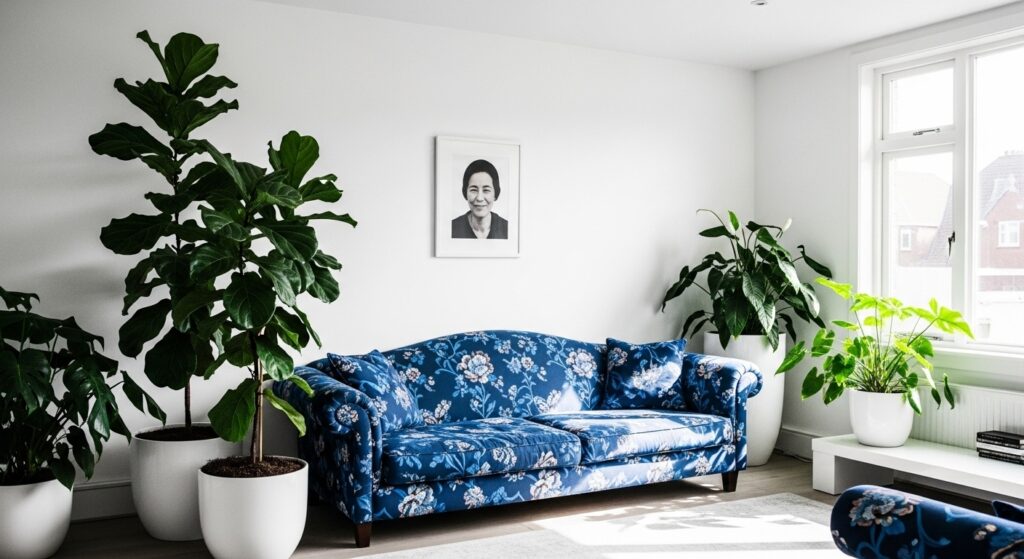
Mixing It Up Without the Mayhem
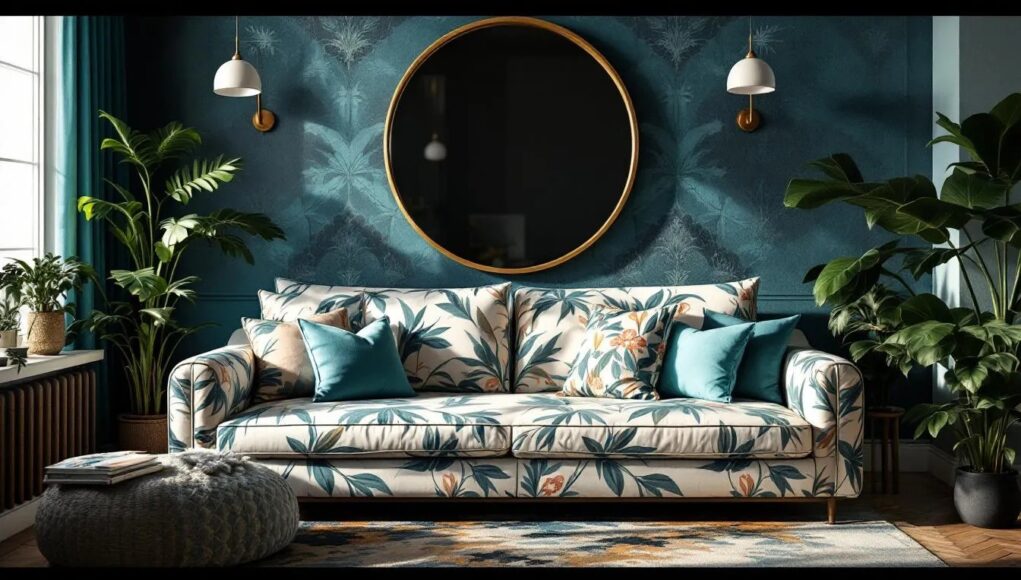
A common fear among clients is that patterns can overwhelm. But the trick lies in balancing scale and visual weight. Combine a large botanical with a fine stripe, or offset a bold sofa with a neutral rug. When layering multiple patterns, vary the motif types. Pair geometric with organic, or vintage floral with a modern plaid.
Designers should also consider repeat size when specifying upholstery. Large repeats may lose impact if they’re cropped poorly on smaller sofa frames. If in doubt, redirect oversized motifs to curtains or walls where the full expression can breathe.
Think Beyond Florals
While florals remain popular, they’re just one part of the picture. Chinoiserie, checks, animal prints, and abstract geometrics are all fair game. Rebecca Atwood’s reimagined plaid, a dose of Toile de Jouy on sleek midcentury frames, and Mah Jong-style patchworks are opening up what’s possible. Even animal prints, once relegated to accents, are now operating as sophisticated neutrals.
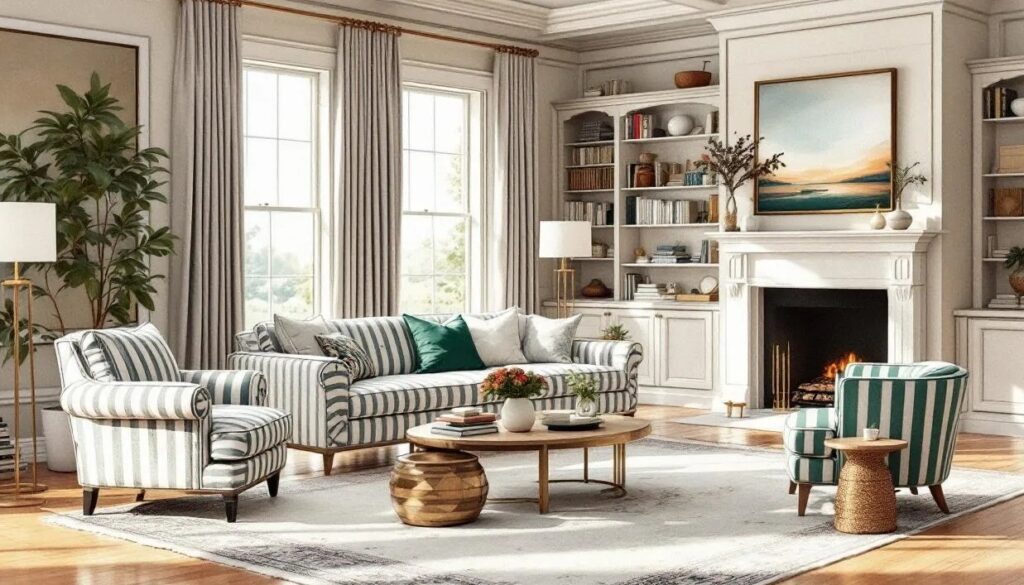
How to Sell the Look to Clients
Encourage clients to think of patterned sofas not as bold, one-time statements, but as evolving foundations. A timeless plaid or refined botanical can act as an anchor, while smaller accessories adapt with the seasons or moods. If clients remain pattern-averse, start with subtle motifs in muted tones and tie them back into the space with cushions or drapery.
Patterned upholstery isn’t just about looks. Busy prints do a far better job of hiding stains, wear, and the occasional marker mishap than a white linen slipcover ever could. For high-traffic areas or family homes, a patterned sofa may actually be the smarter long-term investment.
Ultimately, patterned sofas are a return to a richer, more emotive design language. They require more consideration than their solid-colored cousins, but they offer far more in return — depth, texture, nostalgia, and an unmistakable sense of place.
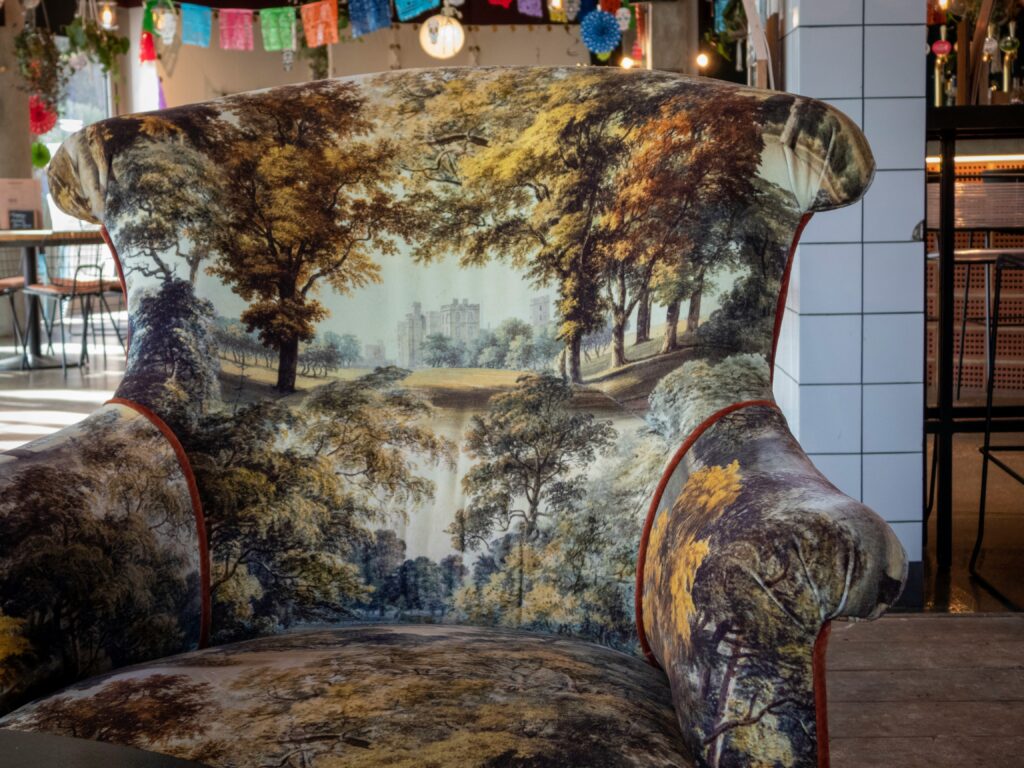
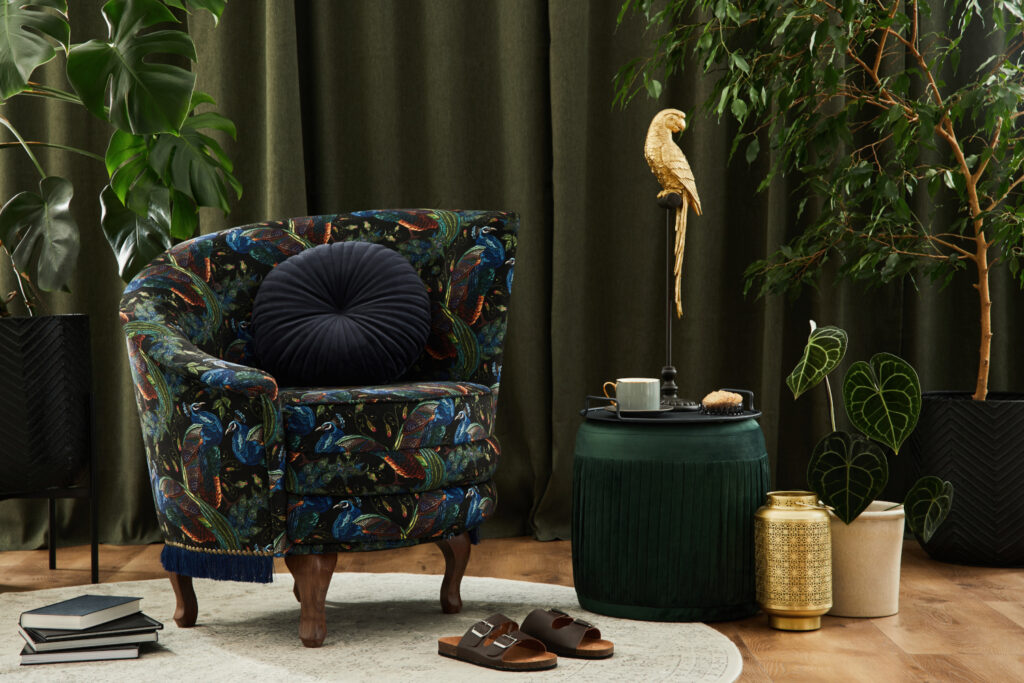
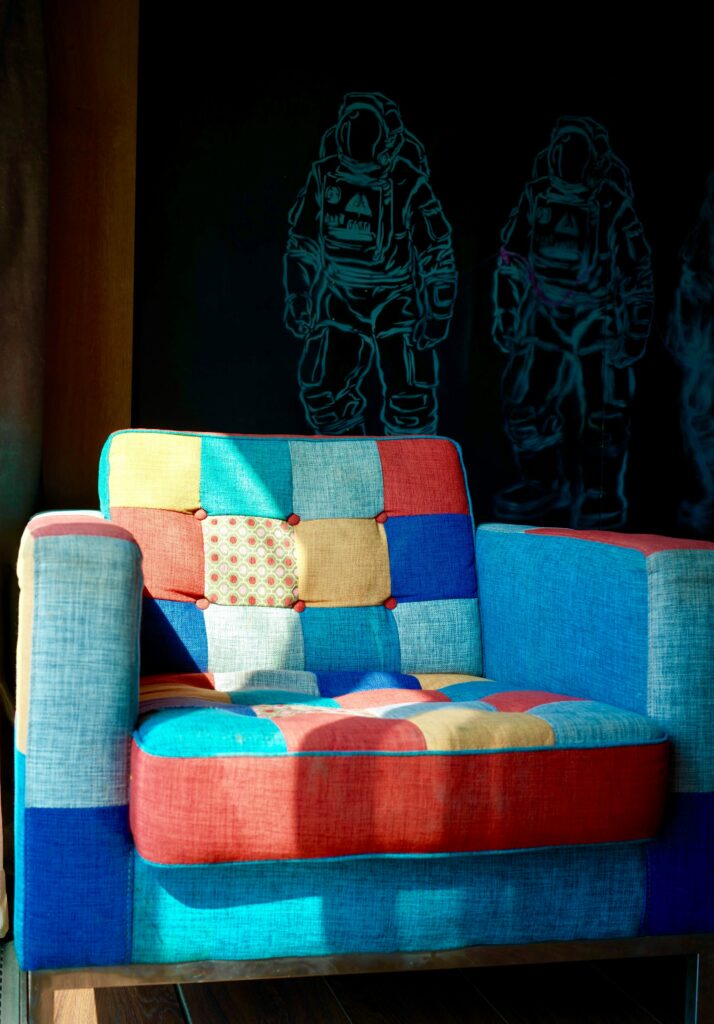
Bold Upholstery, Smart Strategy
If your material library hasn’t been updated with bold upholstery fabrics lately, now is the time. Patterned sofas are not only marketable and photogenic, but they also open up deeper creative opportunities across a range of styles, from cottagecore and retro revival to high-modern eclecticism.
For clients looking to make a lasting impression or simply refresh a tired space, try suggesting a sofa with strong visual personality. The era of playing it safe is fading, and the next chapter is one of layered, joyful, and unapologetic design.