Small-space design can be a laboratory of cleverness. In compact homes and spaces, the pressure is higher: You can’t hide wasted space behind acres of floor area. So what can your residential, commercial, or multi-unit project borrow from the world of tiny homes? This week, Interior Design 411 shares the best tricks of the trade, pulled from the tiny home design ethos.
1. Hide the desk behind the bed or the bed under the desk
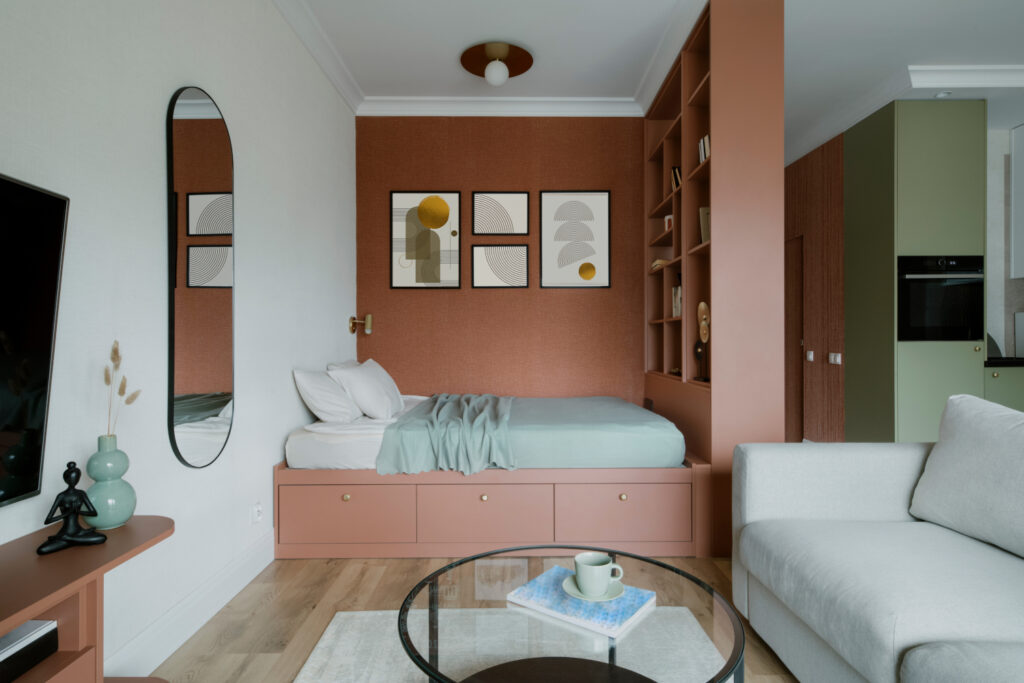
Designers working in ultra-compact homes have long mastered the art of doubling up functions in a single footprint. In this vein, sleeping areas can take on a chameleon role, becoming daybeds or lounges with minimal structural or visual separation. This approach challenges you to rethink whether a space must serve a single purpose while unlocking valuable flexibility for micro units, ADUs, studio conversions, and compact worker housing.
One increasingly popular tactic is to treat the bed as part of the living zone, often by forgoing a traditional headboard or integrating it into a larger millwork feature. In some layouts, a desk is concealed behind the headboard wall, turning the bed into a subtle divider. In others, beds slide or fold beneath raised work surfaces, enabling full conversion between rest and productivity modes without adding square footage.
ID 411 Tips:
- When designing a headboard wall, plan the recess for the desk. Mounting brackets behind an upholstered panel is one option.
- For hidden beds under desks: clear circulation, structural support (desk surface + bed mechanism), and good detailing to make bed storage look like millwork when closed.
- Ensure ergonomic clearances: If the desk is in use during daytime and host uses the bed at night, check sight lines, power access, and lighting zones.
2. Use ceiling height and vertical planes to your advantage
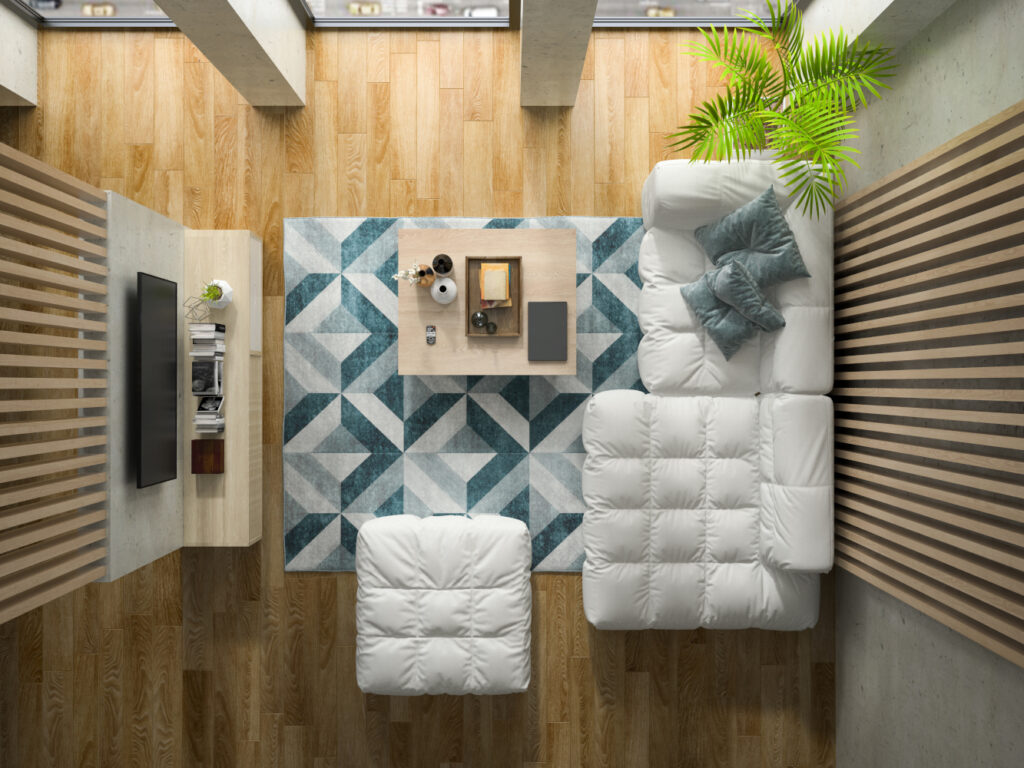
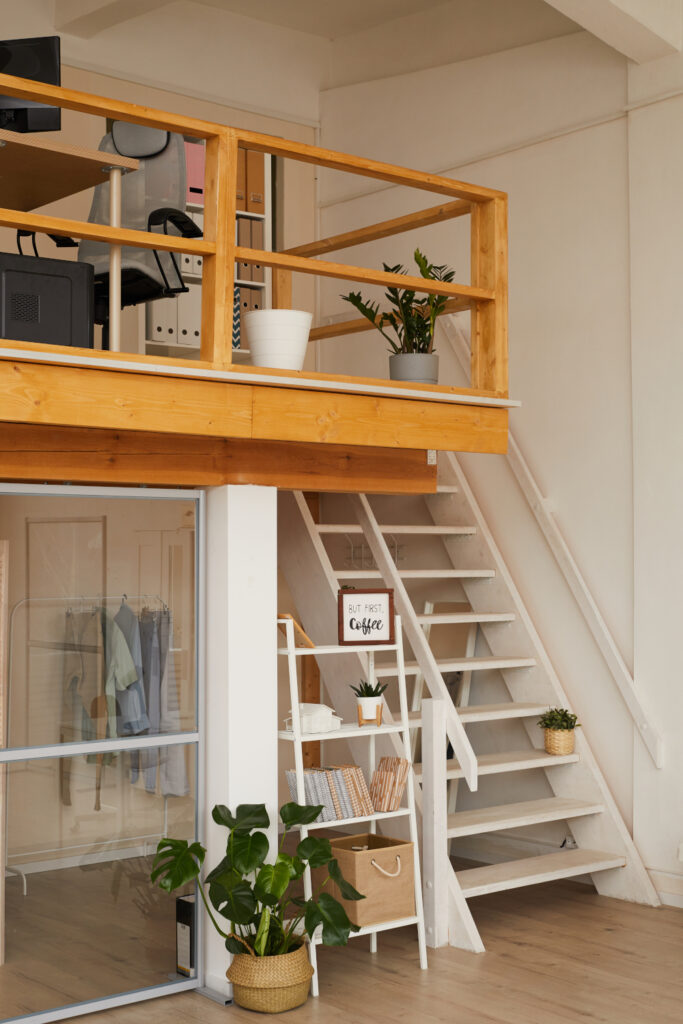
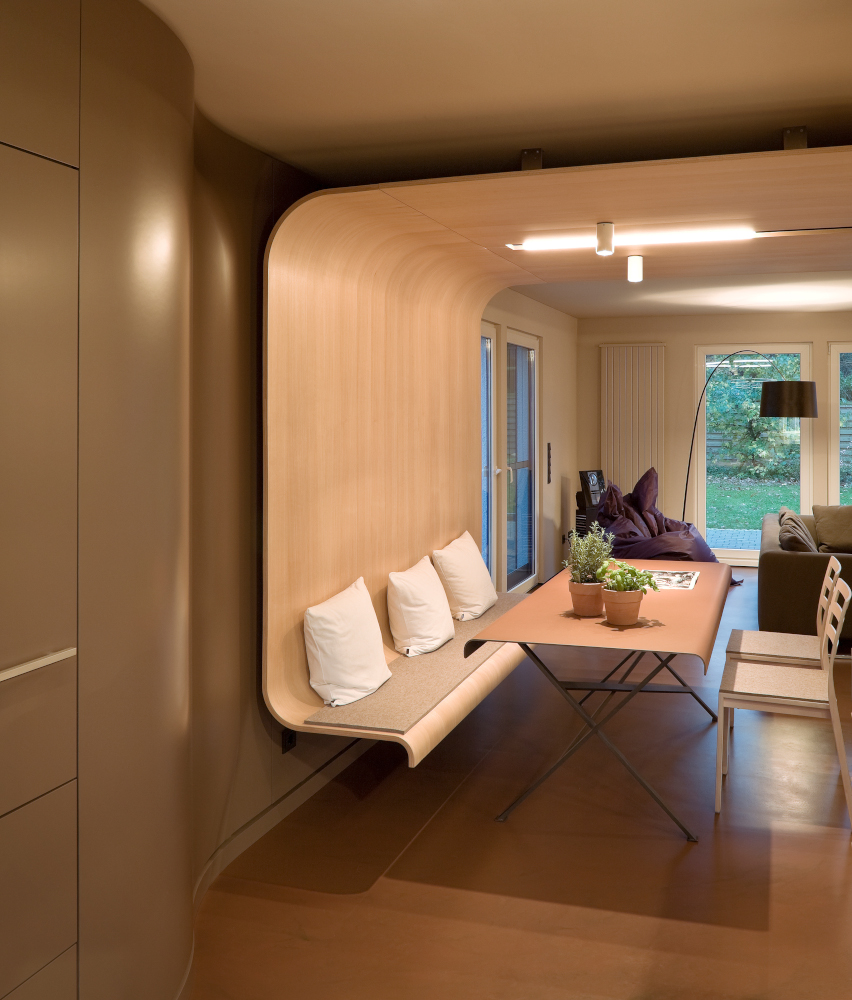
In many small-space projects, designers will stack functions vertically to maximize every inch. Think elevating beds on platforms that double as storage zones, tucking seating or cabinetry beneath, or integrating dining or lounge elements into a single tiered structure. These multi-level solutions not only free up precious floor real estate, they introduce a sense of spatial layering that helps small interiors feel more intentional and expansive. Leveraging ceiling height this way allows you to condense multiple living functions into one compact footprint without sacrificing usability or flow.
ID 411 Tips:
- When you raise the sleeping platform, ensure head clearance (especially for guests).
- Integrate lighting and access, such as stairs or a ladder plus guardrail as needed.
- Use the legs or side of the structure as storage: drawers, cabinets or shelving risers.
- Consider HVAC and curtain planning. A loft can get stuffy if you ignore air circulation.
3. When you need a door, consider a room divider instead
In compact interiors, physical separation doesn’t have to mean permanent walls. Lightweight dividers like curtains, freestanding screens, open shelving, or sliding panels can subtly delineate zones without locking in a layout. These elements provide flexible transitions between sleeping, living, working, or play areas, making them especially valuable in spaces where adaptability is key. For designers working in multi-unit housing or co-living models, this strategy supports semi-private zones without the cost, complexity, or permanence of full partitions.

ID 411 Tips:
- If using curtains, track must allow curve and full coverage; consider acoustics if nearby sleeping zone.
- If using screens or shelving, back-to-back use is smart. One side can be decor/TV while the other side is for storage/work.
- Always design for sightlines and circulation: zone changer shouldn’t interfere with path of travel.
- Ceiling-mounted curtains offer a cost-effective, flexible alternative to doors.
4. Store shoes under the stairs (and similar “hidden” storage)
In small-footprint interiors, transitional spaces like staircases, platform bases, or wall cavities offer untapped potential for concealed storage without sacrificing usable floor area. These hidden storage solutions are a smart way to boost functional square footage, especially in projects where every inch must be justified both aesthetically and economically.
ID 411 Tips:
- When planning stair structures or platforms, leave clearance for full-extension drawers or pullout systems.
- Use CAD to model the volume under stairs. Model the stair side elevation and draw in 90-degree cut boxes to reveal usable storage volumes, then size drawers based on riser depth and allow clearance under the first step for comfort.
- Choose durable drawer glides and ventilation, especially if storing shoes or moist items to avoid odor issues.
5. Shrink the table — but keep the chairs
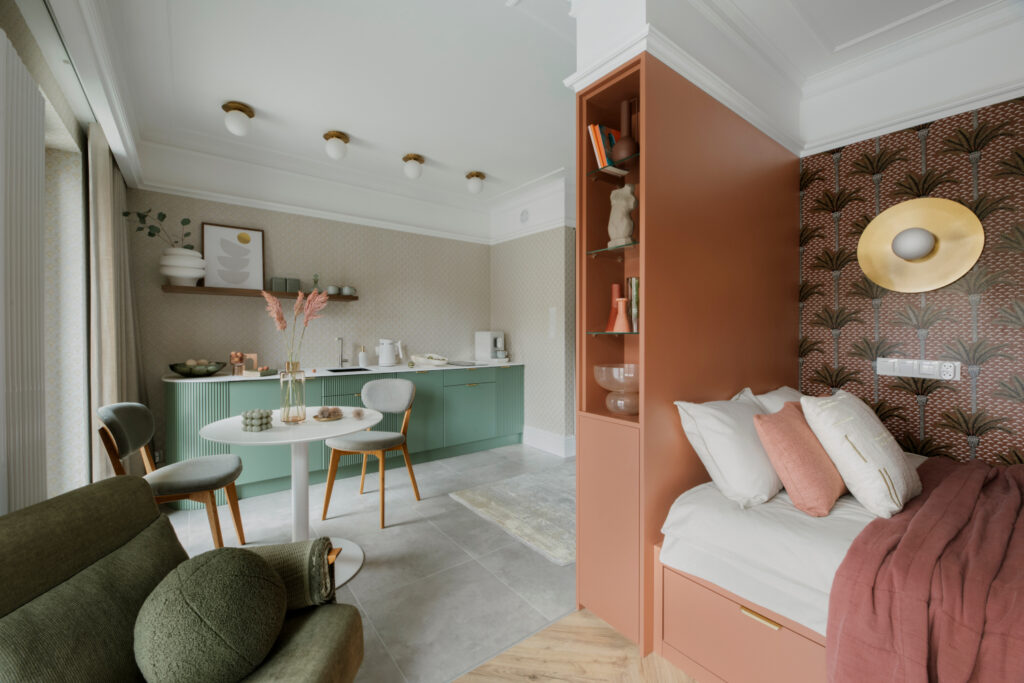
In small interiors, downsizing furniture doesn’t have to mean compromising the user experience (entertaining, dining, hosting). Opting for a compact round table with well-proportioned chairs preserves the ability to host or dine comfortably without overcrowding a space. Round tables improve circulation in tight layouts, and chairs with curved or open arms can be pulled in closer when not in use.
ID 411 Tips:
- Choose table diameter that allows minimum clearances, approximately- 24-30 inches from wall or other furniture behind chairs.
- Use stackable or lightweight chairs so residents can move them when needed.
- In showroom or spec unit planning, show how the table can transition from daily use to guest scenario.
6. Combine two rooms that seem at odds
Combining distinct functions like work and caregiving in a single room is an increasingly common ask from clients, especially in compact homes. The key to success lies in maintaining a cohesive, neutral palette that allows furnishings to serve multiple roles without visual conflict. This strategy helps future-proof rooms for evolving needs and maximizes both utility and long-term appeal within tight square footage.
ID 411 Tips:
- Use shared finishes/methods across both uses. Cohesion still matters.
- Plan for different lighting zones per use case with different intensities, dimming etc.
7. Pick a corner and pack in the function
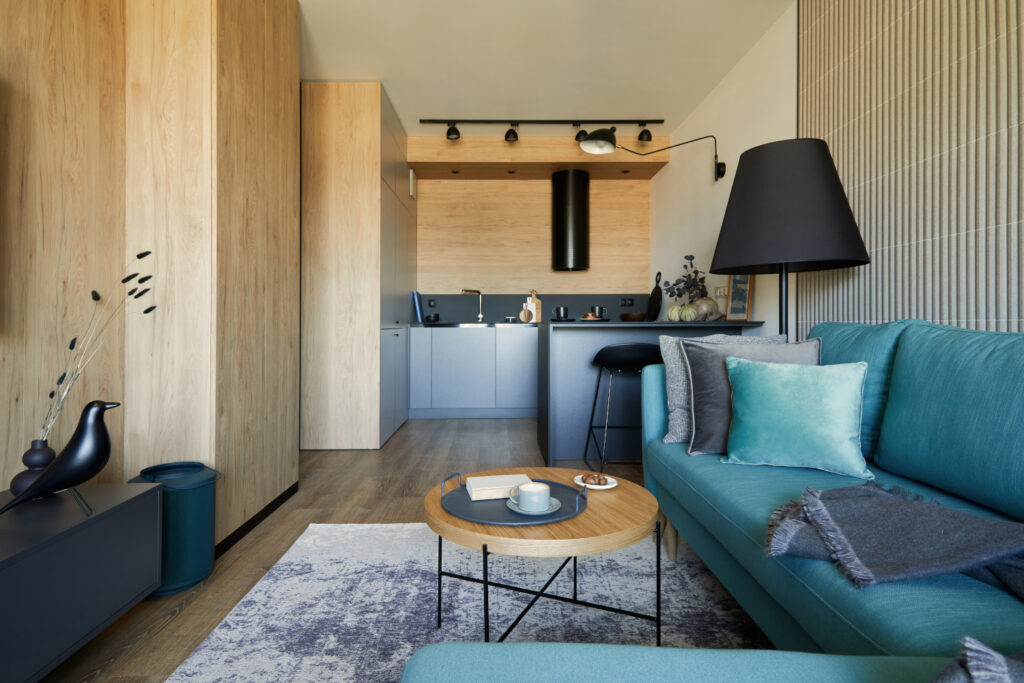
In tight layouts, underused corners can become high-performance zones when thoughtfully planned, housing everything from compact kitchen setups to combined work and dining surfaces all stacked vertically to save space. In one Scottish stone cottage, a kitchenette was hidden behind folding cabinet doors. When closed, the space looked like a living wall; when open, it’s a full kitchen. Mixing open and closed storage above reinforces function without overwhelming the room. Transforming these overlooked areas into multifunctional hubs adds both efficiency and value, especially when every corner counts.
ID 411 Tips:
- Plan service zones (plumbing, electrical, ventilation) early if you’re merging cook, wash, and work.
- Use open shelving plus closed cabinets. A mix ensures accessible everyday items and hidden storage for clutter.
- Ensure seating works within the remaining clearance, i.e. chairs tucked under when not in use.
8. Don’t let awkward ceilings stop you from luxe materials
In small or irregularly shaped spaces, positioning key functions where ceiling height is most generous can turn awkward geometry into a beautiful focal point, especially when paired with high-end finishes that elevate the overall perception of quality. This cottage’s attic bedroom has a shower in the center of the highest ceiling height clad entirely in Calacatta Rosa marble, proving that small space doesn’t have to mean small material ambition. Even in compact layouts, strategic use of premium materials like these signals intention and allows small spaces to compete on luxury, not just efficiency.
ID 411 Tips:
- Match the scale. Big slabs of marble in a tiny bathroom can look awkward unless seams and grout lines are thoughtfully handled.
- Coordinate lighting and surprising textures. Luxury finishes demand attention to detail in joints, trim, edge treatments.
Small Scale Demands Smart Strategy
When you approach a space with the mindset “What would a tiny home designer do if this were half the size?” you often arrive at smarter solutions than attempting conventional “large-space” thinking. Use these hacks as starting points to prompt creative solutions for your next smaller footprint project. Your clients — and your floor plans — will thank you.
SOURCES: Contemporist, Design-Milk, Domino, Coveteur, Remodelista, Domino